Restoring a Historic Hampstead Home
There are some projects that leave a lasting impression, not because of their scale, but because of the privilege and responsibility that comes with working on them.
Project Well Walk was one of those projects.
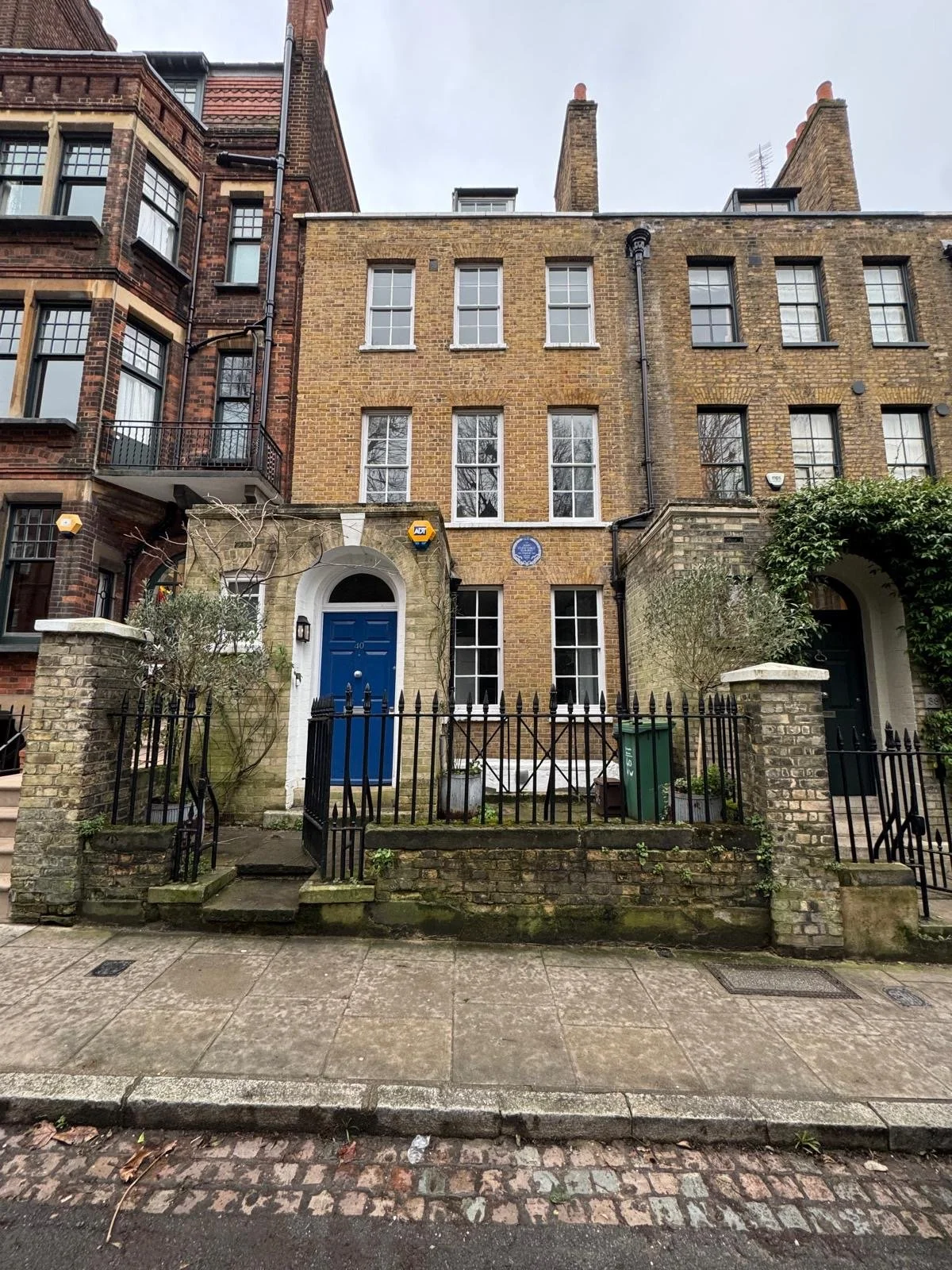
Nestled on one of Hampstead's most characterful streets, this Grade II listed property offered an opportunity to breathe new life into a remarkable historic home while carefully preserving the architectural features that have defined it for generations. Working alongside the talented team at Howark Design, Orderly London was appointed as Principal Contractor, overseeing the construction programme from initial strip-out through to completion over an eight-month period.
The brief was clear from the outset: to create a beautifully functioning home while retaining as much of the building's original character as possible. Every decision throughout the project was guided by that principle.
A Home Shaped by History
Historic homes possess something that simply cannot be recreated.
Their proportions, craftsmanship, materials and imperfections tell the story of the people who have lived within them over many decades, sometimes centuries. While modern construction can replicate traditional detailing, there is an authenticity to period buildings that only time can create.
It is this authenticity that makes heritage refurbishment both incredibly rewarding and uniquely challenging.
Unlike a contemporary renovation, every intervention within a listed building must be carefully considered. The objective is not simply to improve the property, but to ensure that any changes respect its history whilst allowing it to continue serving the needs of modern living.
Throughout Project Well Walk, preserving that balance remained central to every decision we made.
Working Alongside Great Design
Projects of this calibre are never the work of one company alone.
From the outset, this project was a collaboration between highly skilled designers, craftspeople, specialist trades and consultants, each contributing their expertise towards a shared vision.
Howark Design developed a scheme that celebrated the building's original architecture whilst introducing contemporary spaces that feel entirely at home within the property. Their approach was understated and thoughtful, allowing the building itself to remain the focal point while subtly adapting it for modern living.
Our responsibility as Principal Contractor was to translate that vision into reality, carefully coordinating every stage of construction whilst maintaining quality, programme and communication throughout the build.
When Heritage Shapes the Programme
Perhaps the greatest challenge throughout the project wasn't one that could ever have been anticipated during the planning stages.
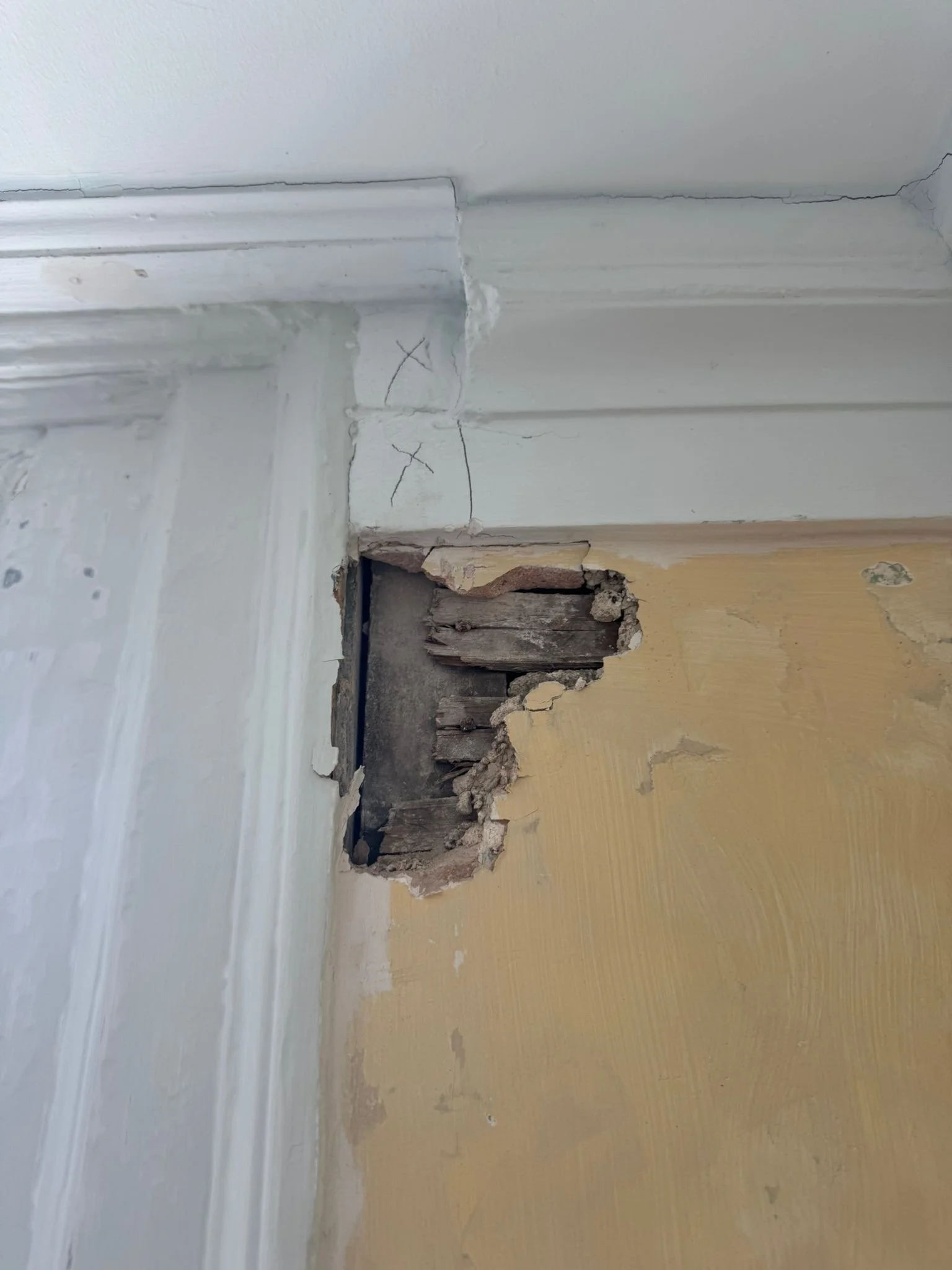
Working within a listed property means discoveries are almost inevitable. As construction progresses, hidden elements are uncovered that require careful assessment before work can continue.
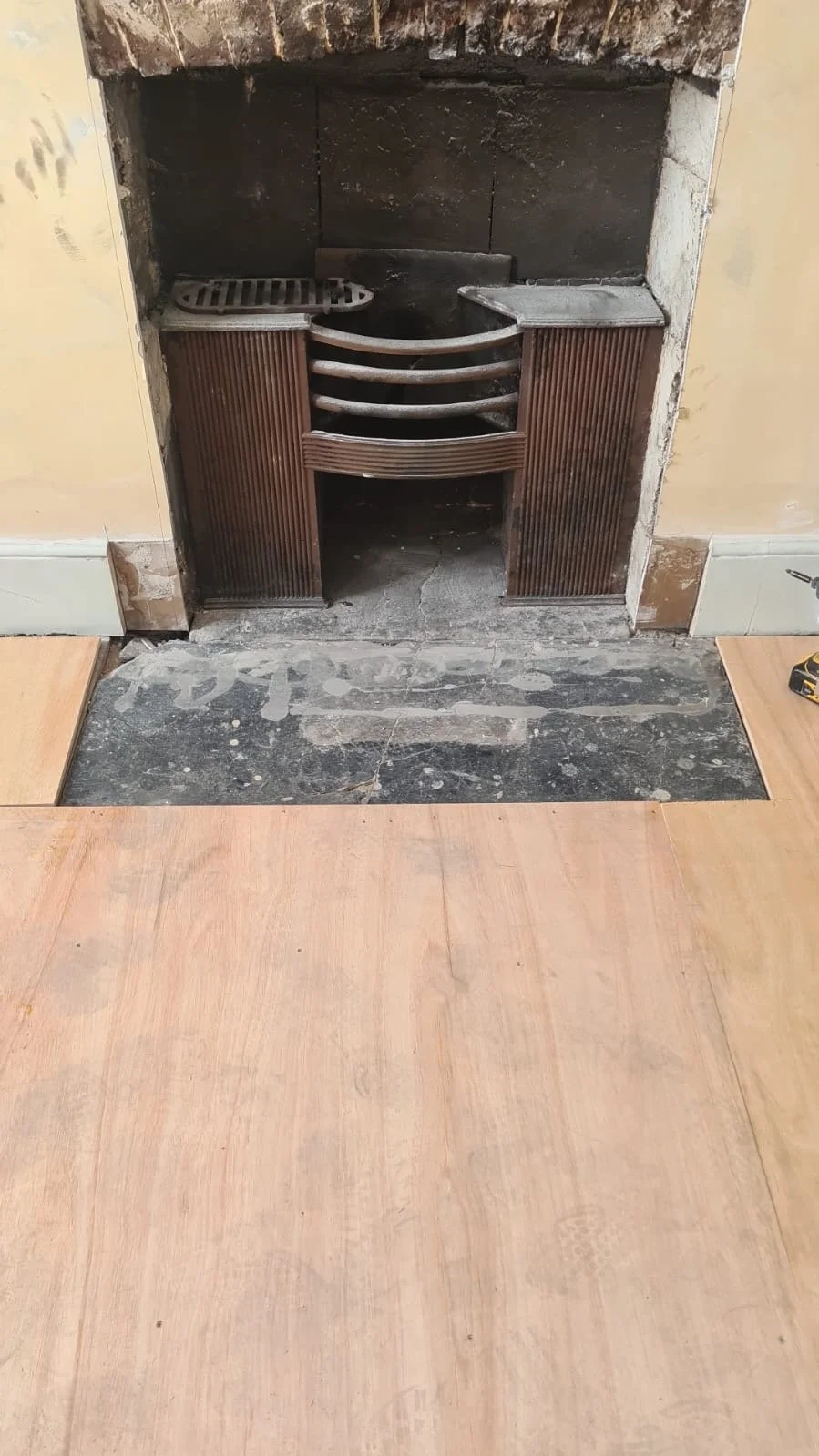
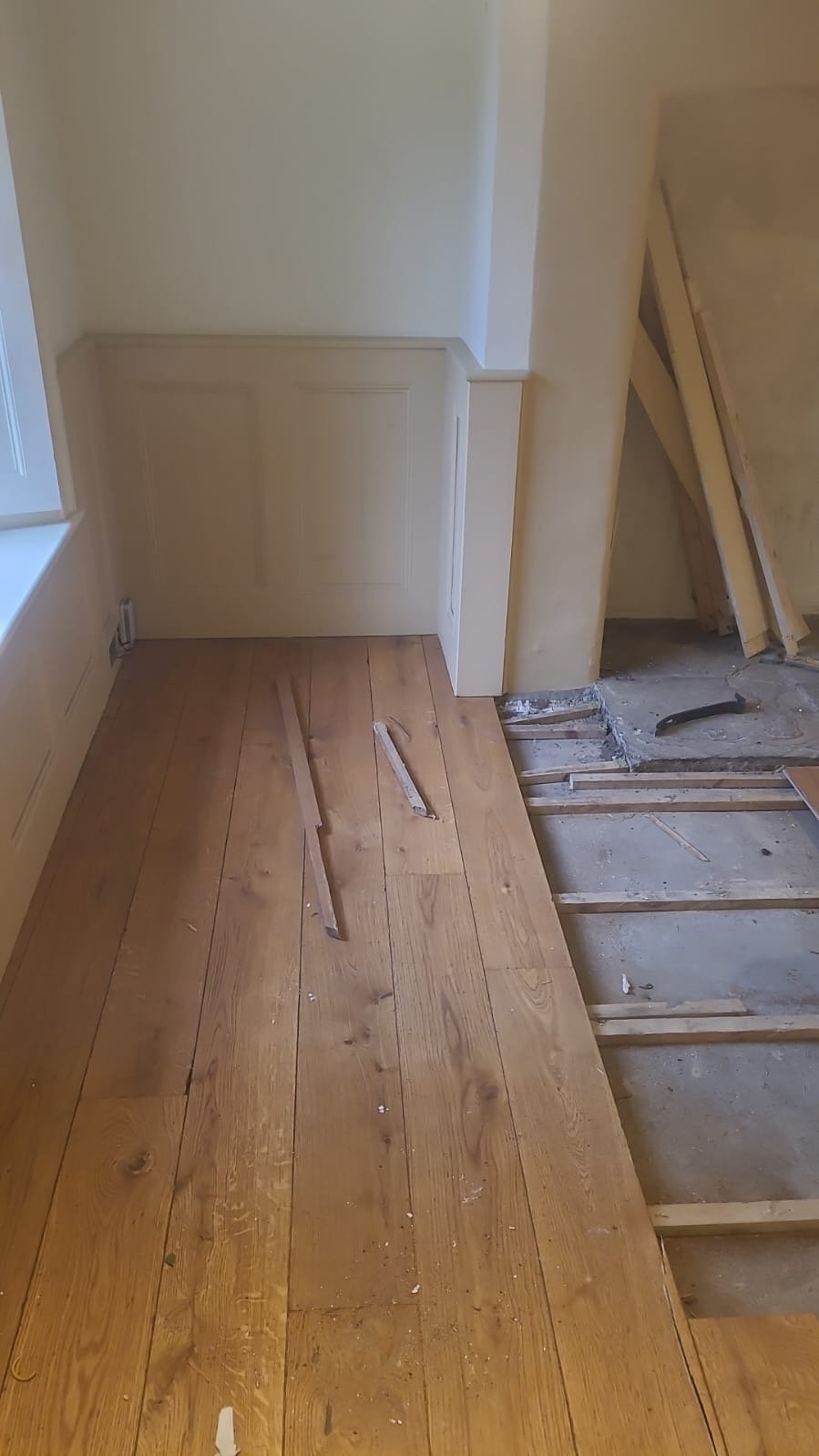
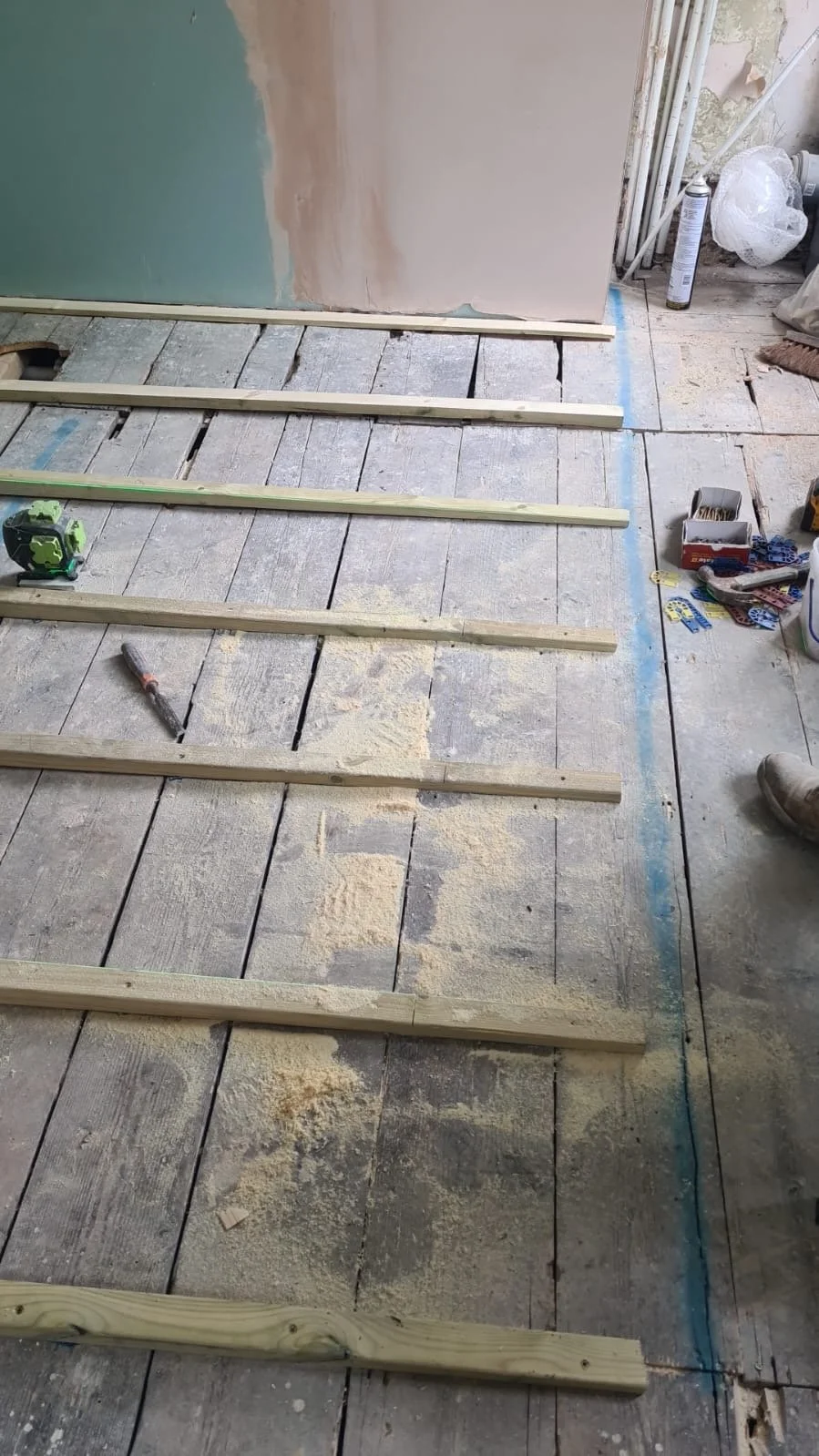
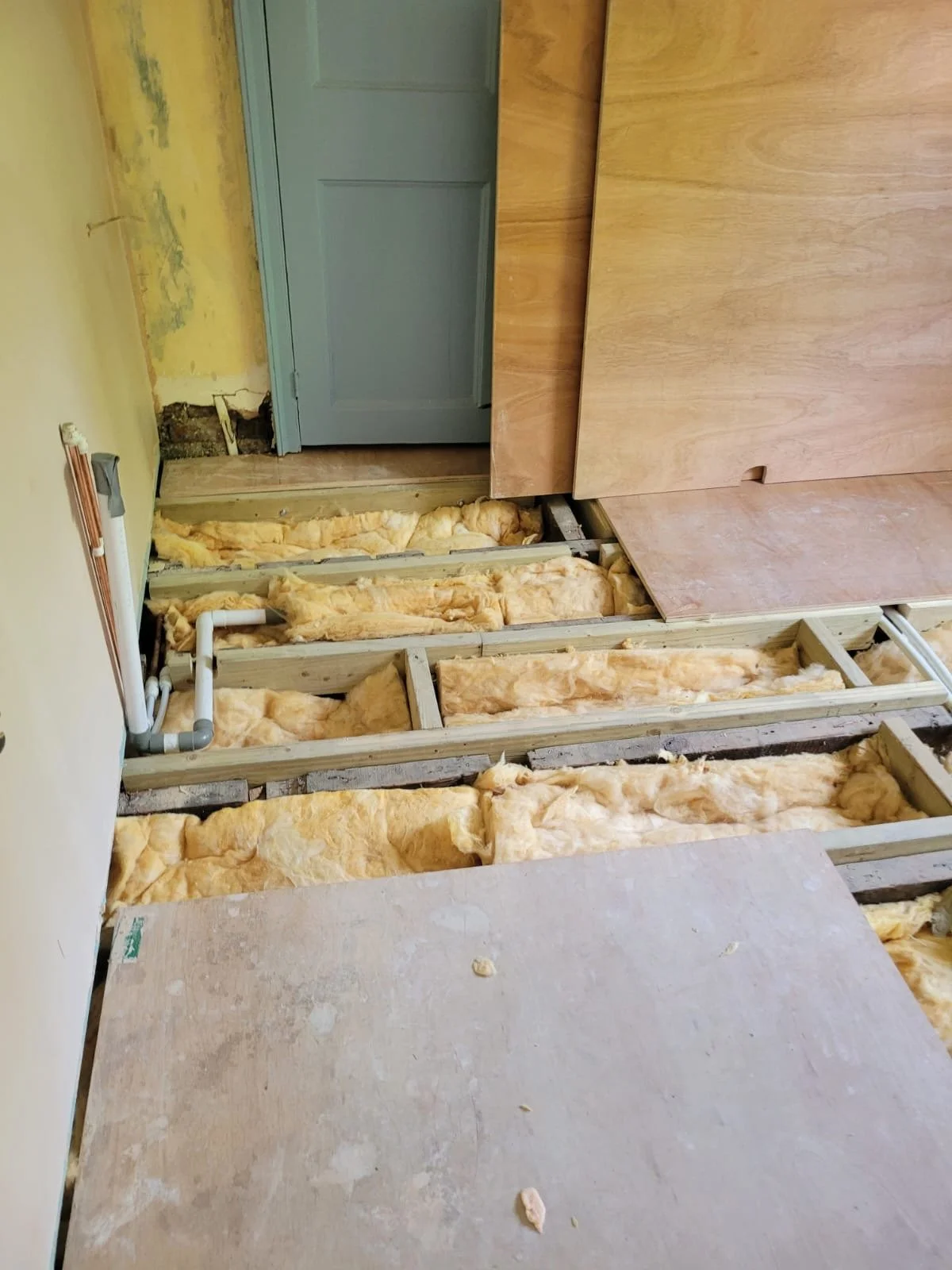
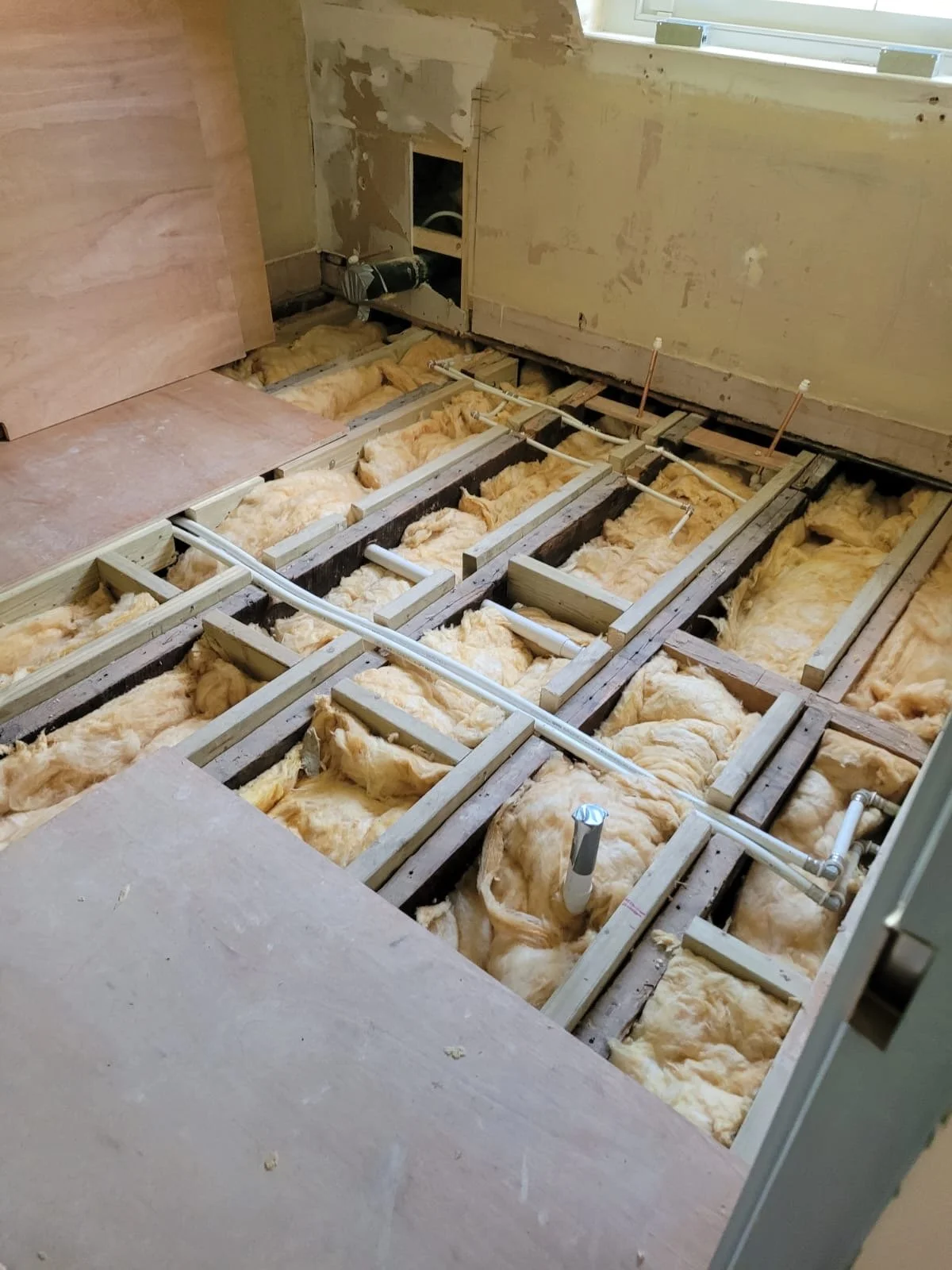
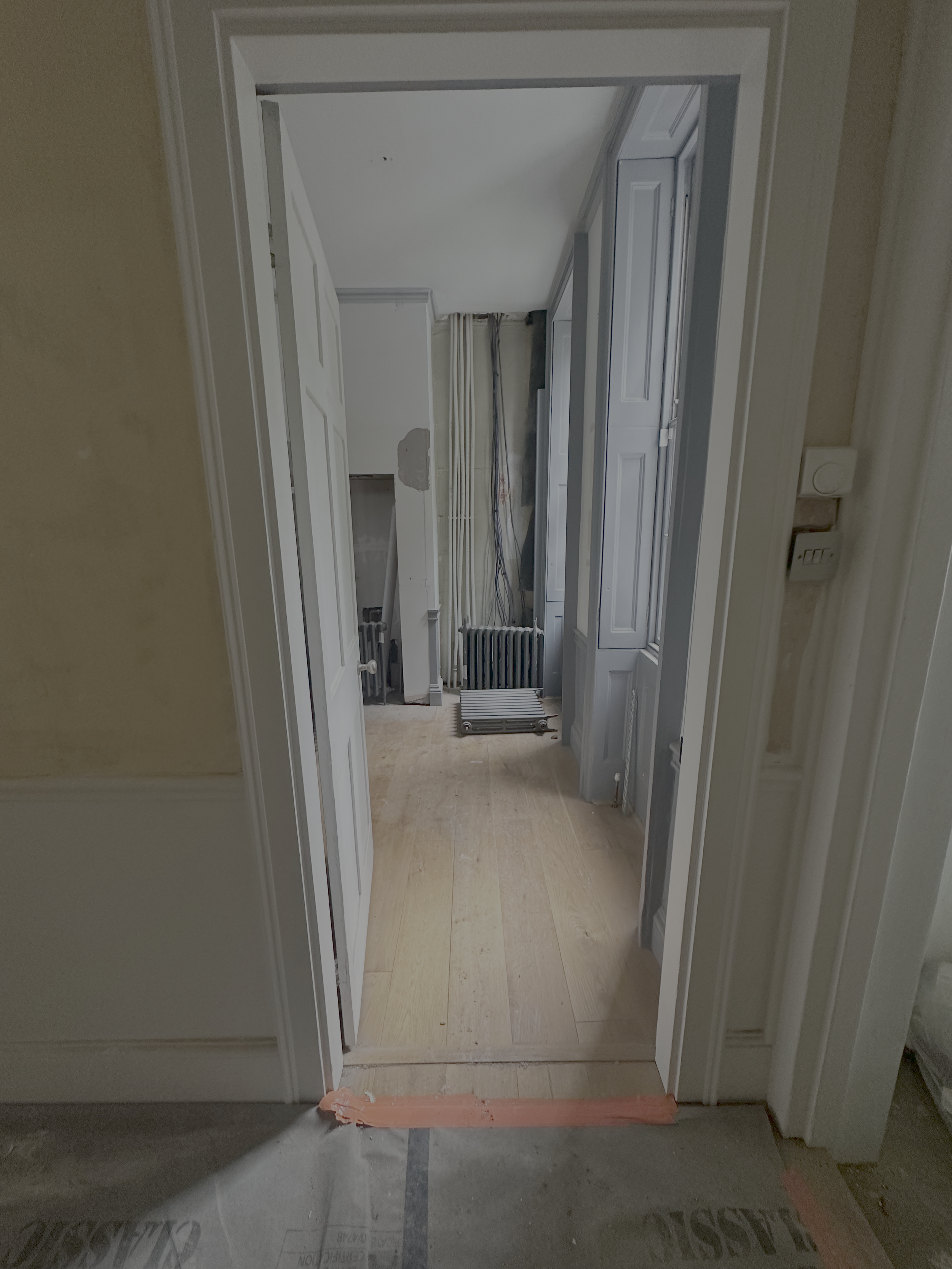
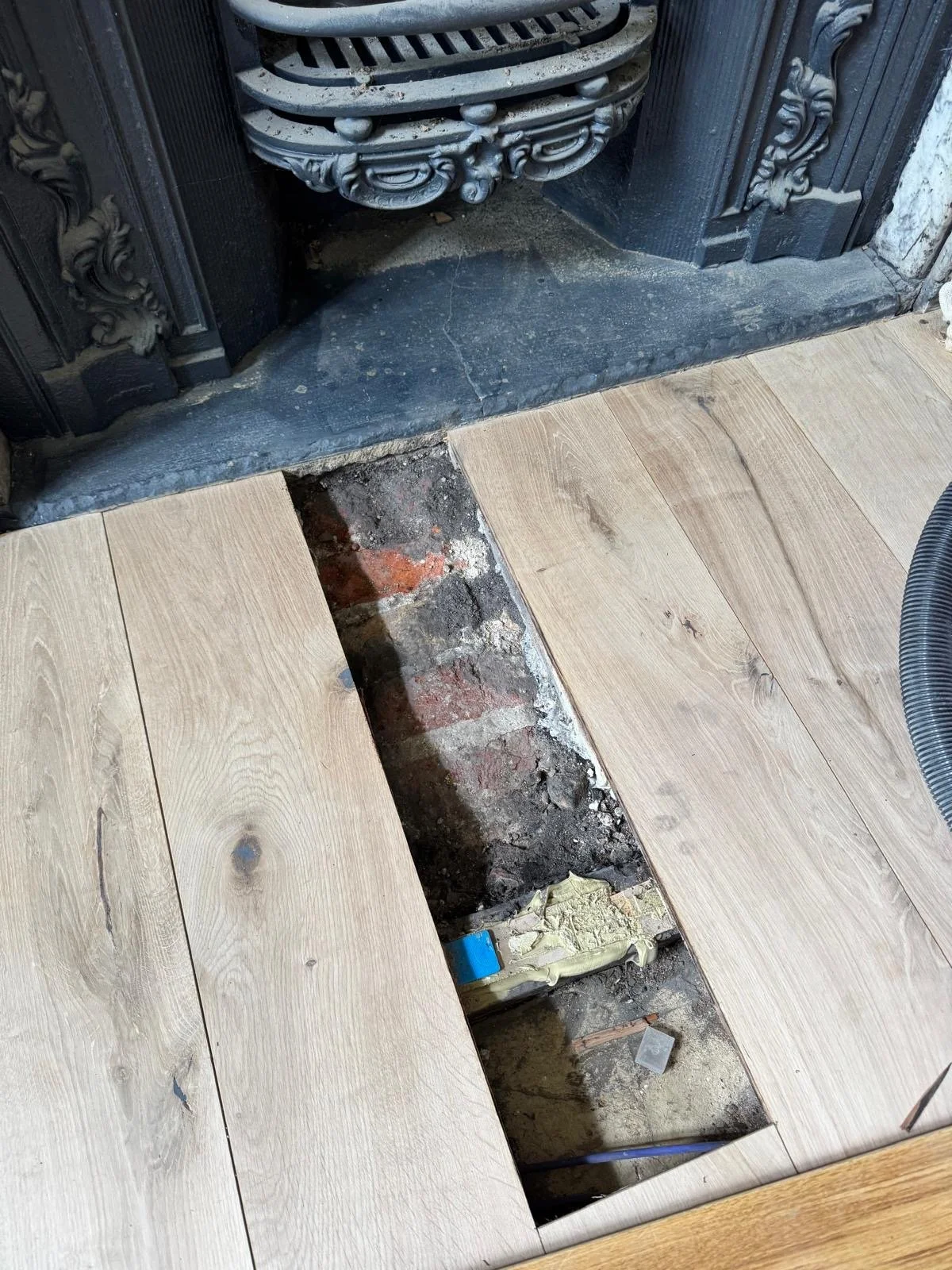
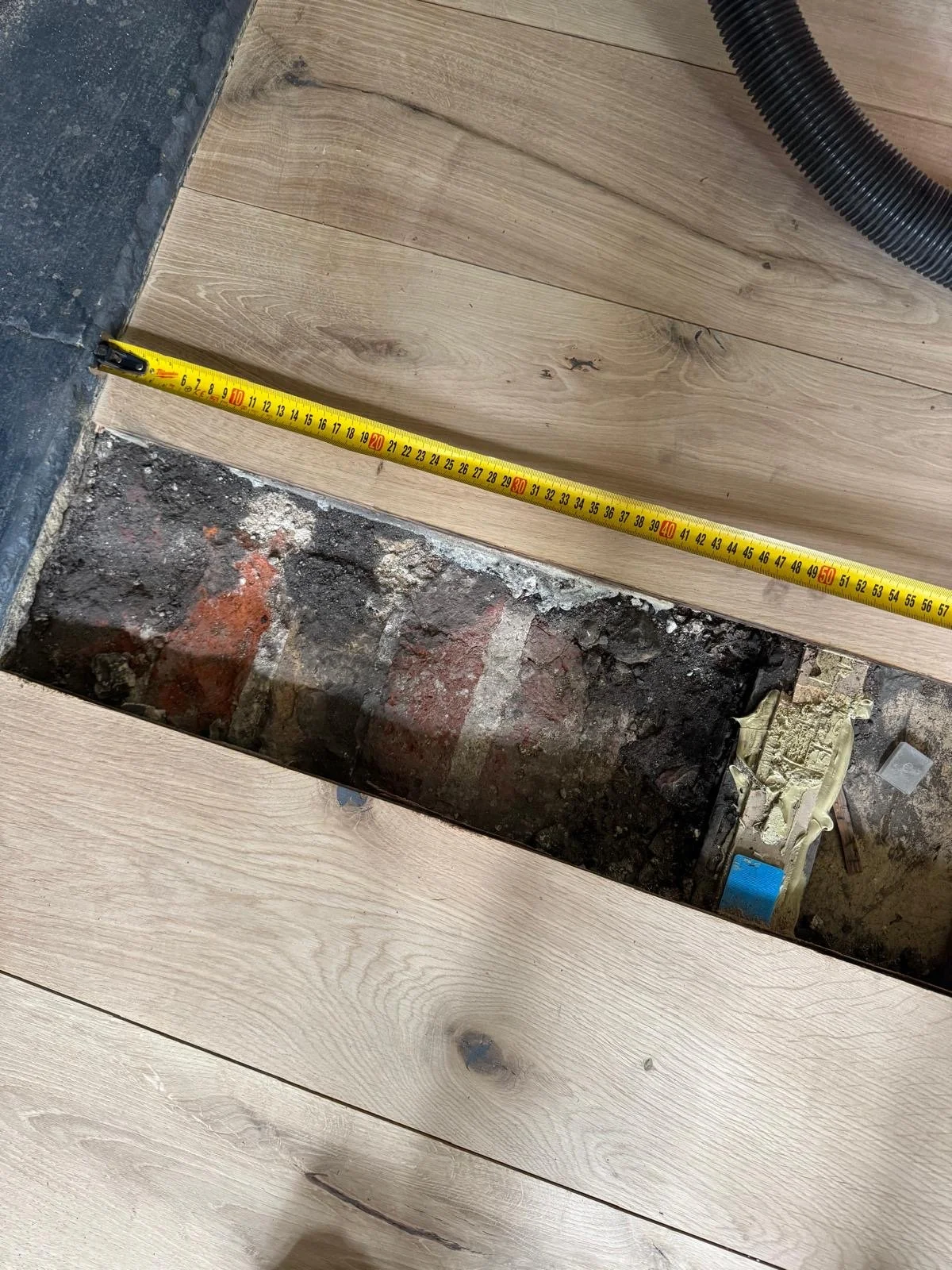
One such example came when sections of the existing floor structure were exposed. It quickly became apparent that replacement floor joists would be required to provide a suitable substrate for the new flooring. Whilst technically straightforward, no alterations of this nature could proceed without obtaining additional heritage consent.
Construction paused while revised proposals were prepared and approval was sought.
Although these moments inevitably affect programme, they are an essential part of working responsibly within historic buildings. Protecting heritage assets sometimes requires patience above all else, and successful project management means adapting quickly whilst keeping every member of the project team informed throughout the process.
These are the moments where experience becomes invaluable.
Discovering the Character Beneath
One of the greatest pleasures of refurbishing historic buildings is that they continue to reveal their stories.
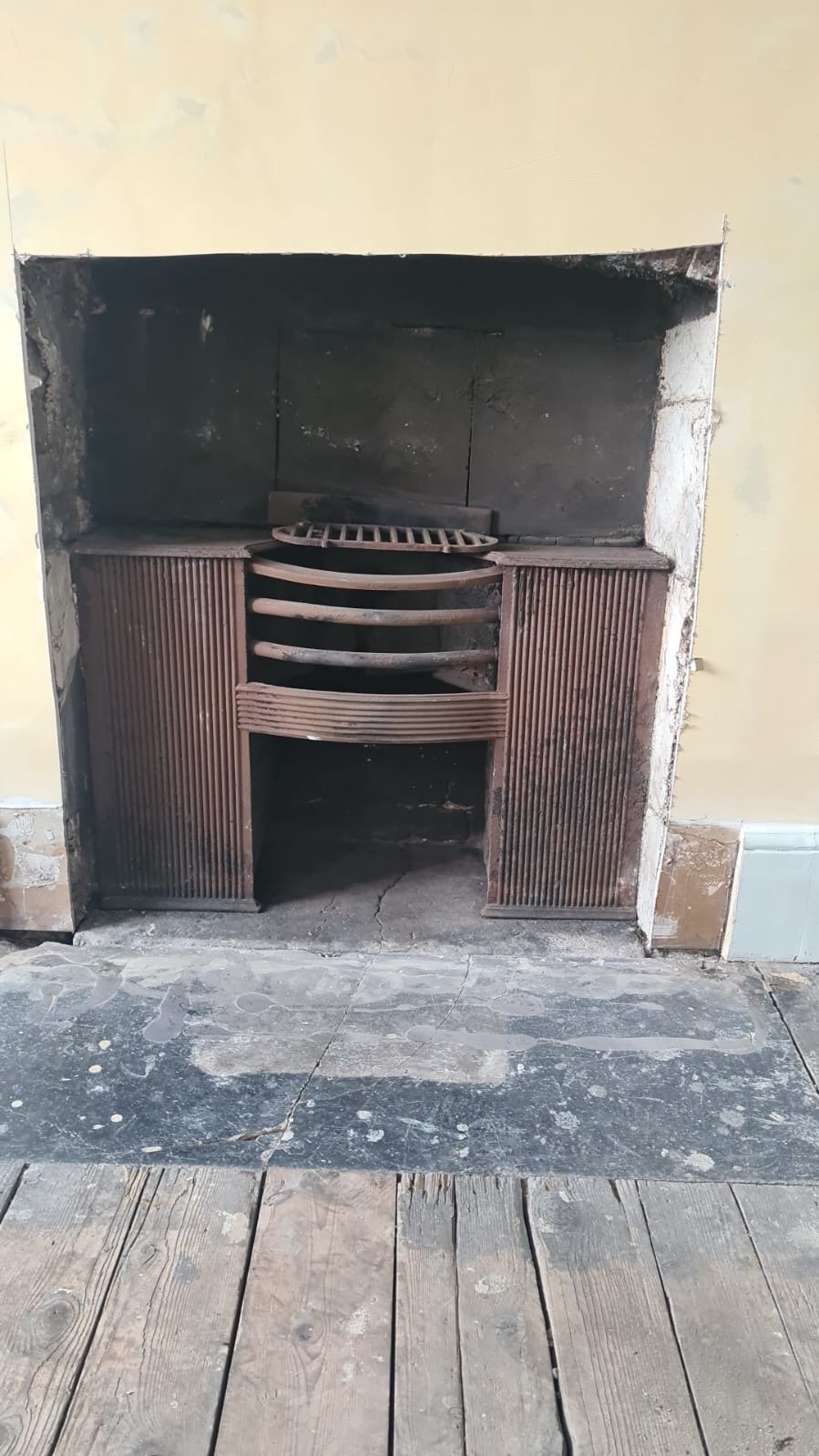
As layers of previous alterations were carefully removed, original features that had remained hidden for decades gradually re-emerged.
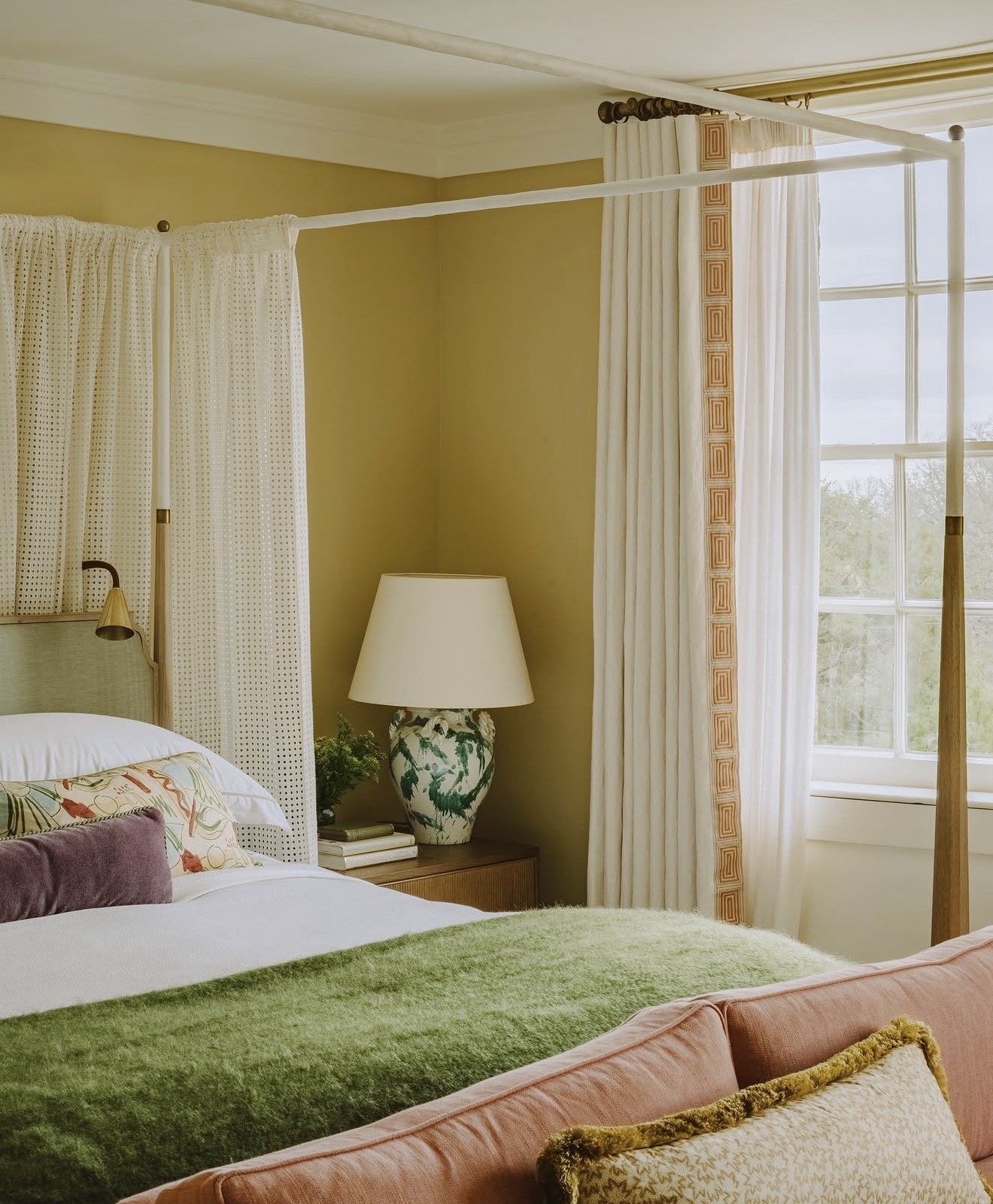
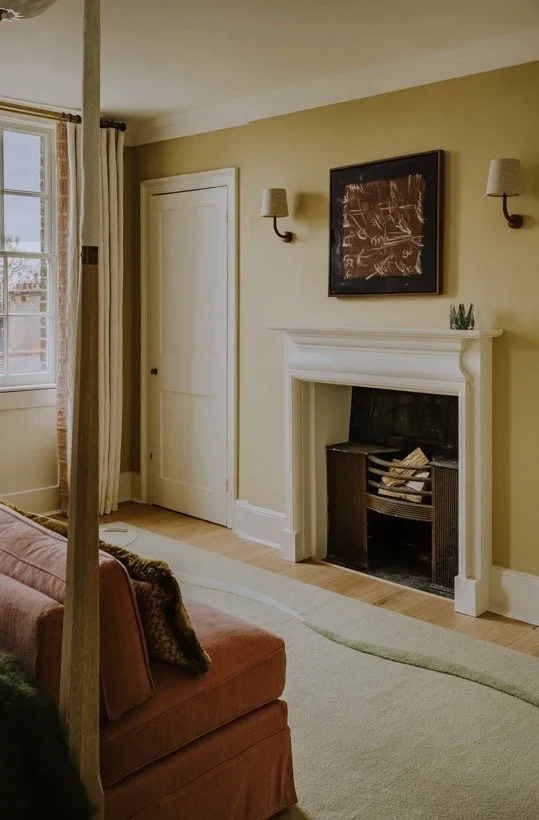
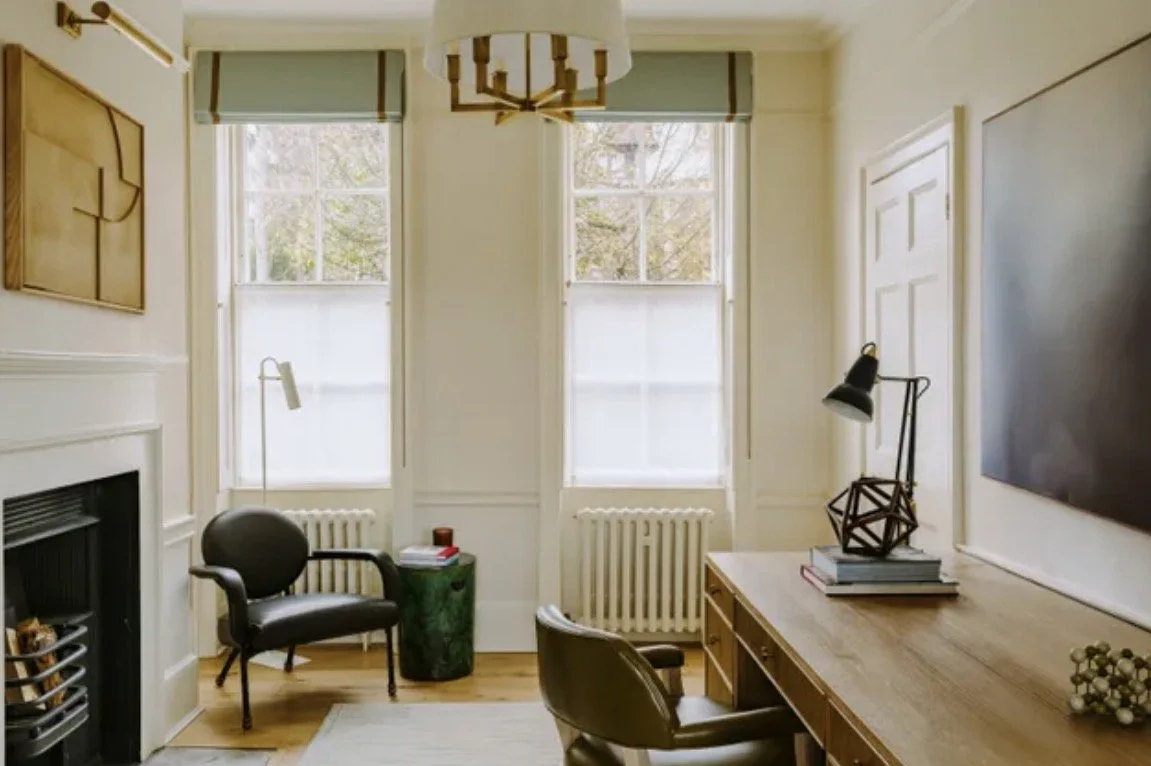
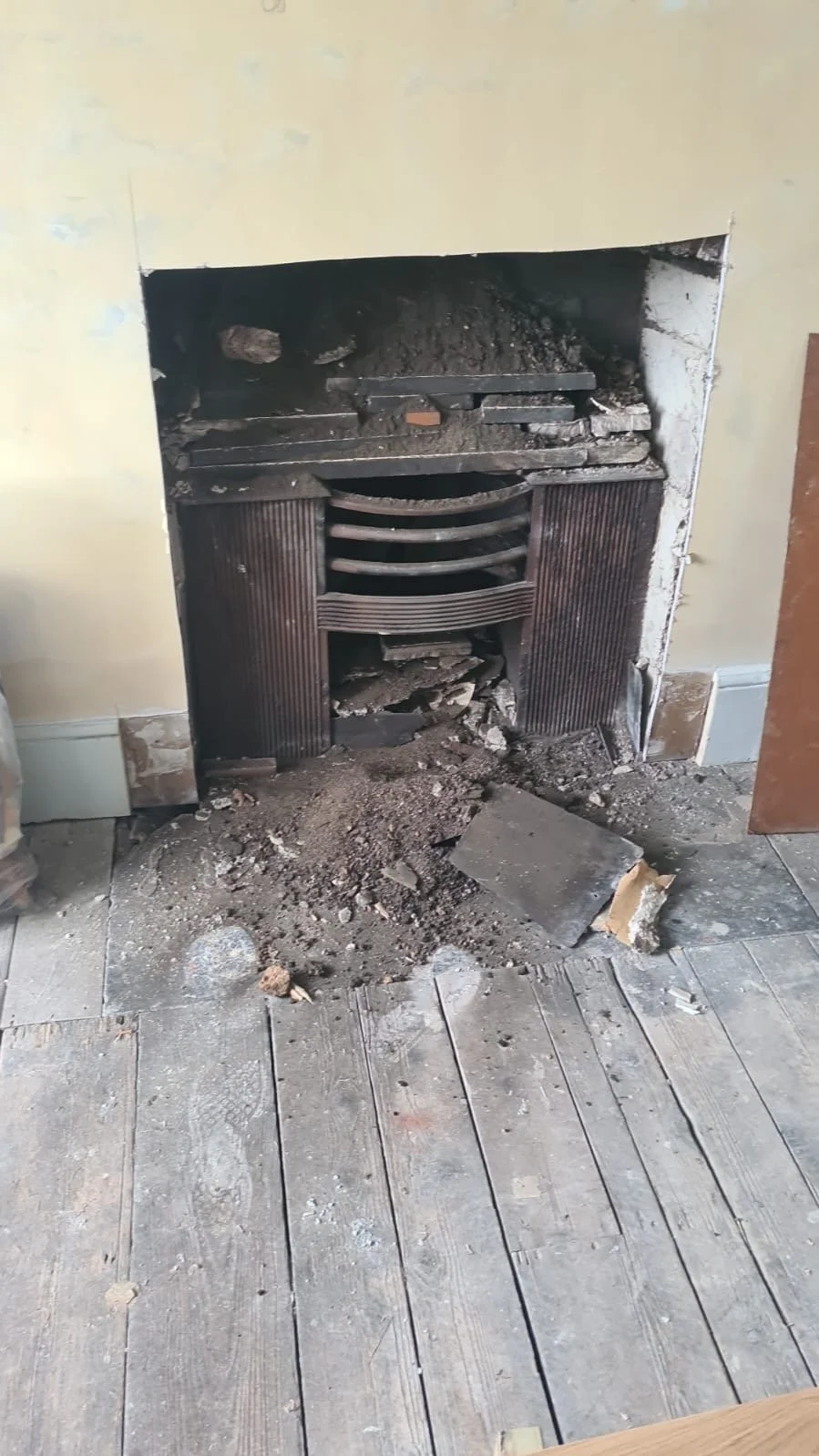
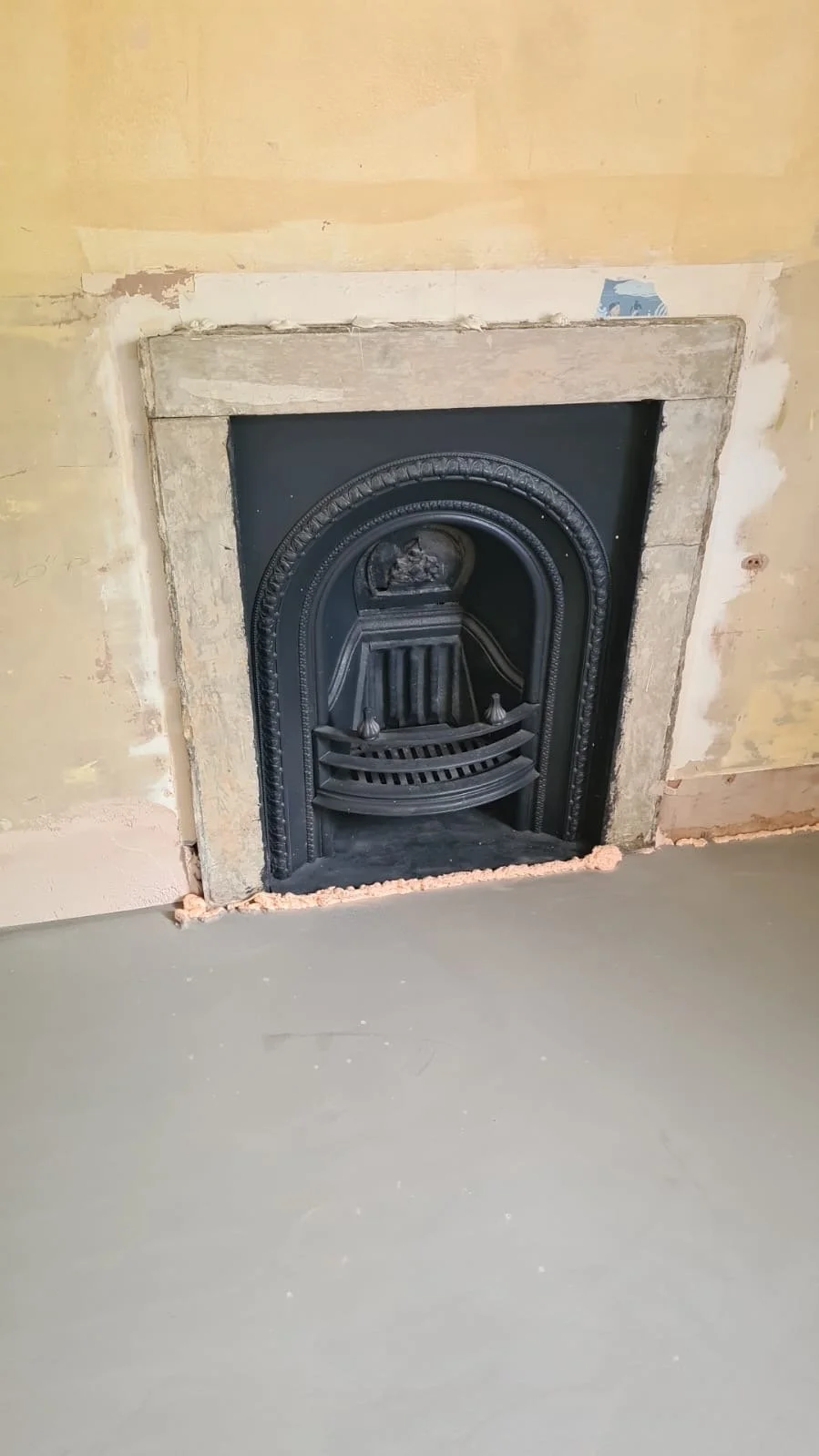
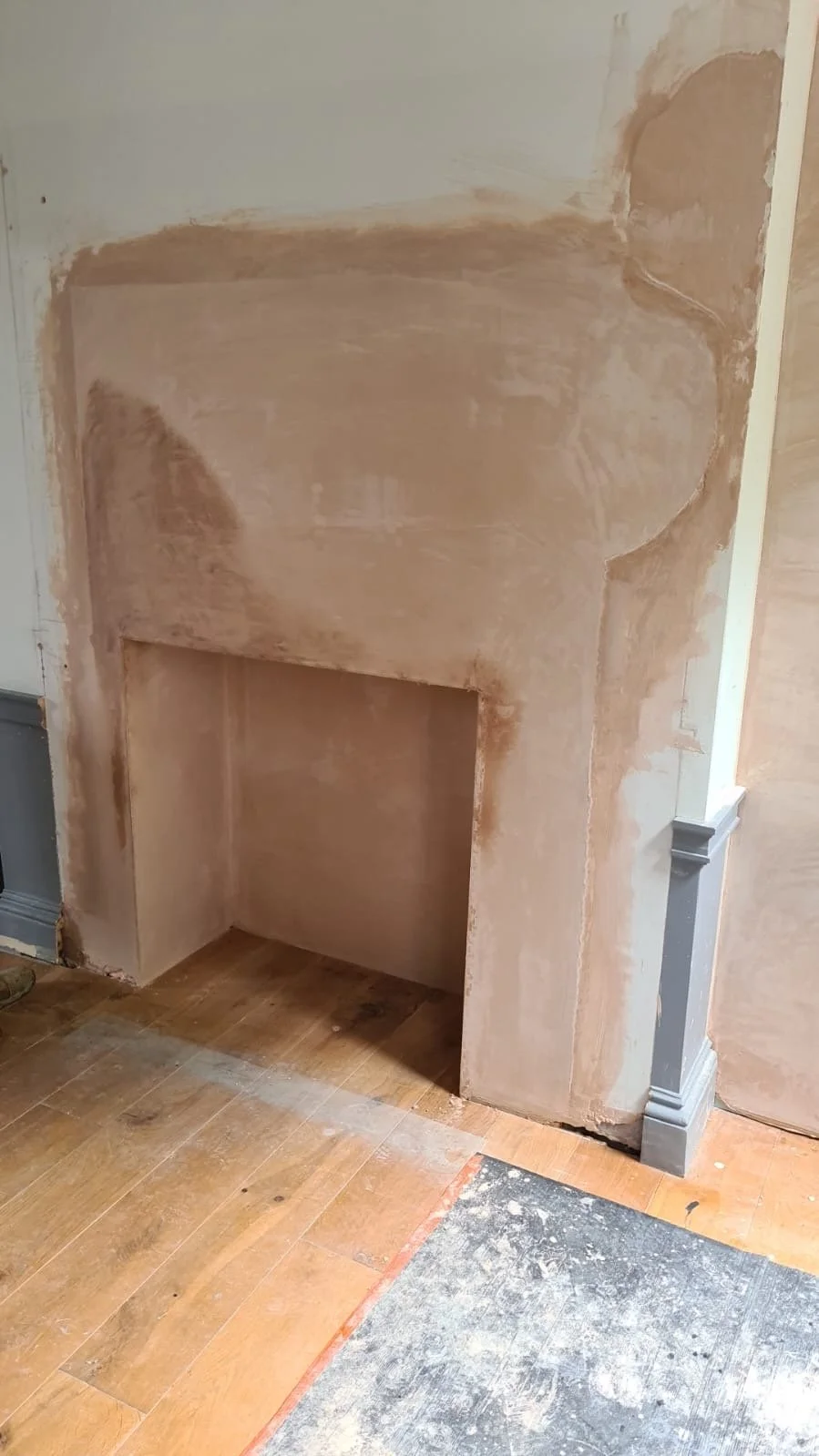
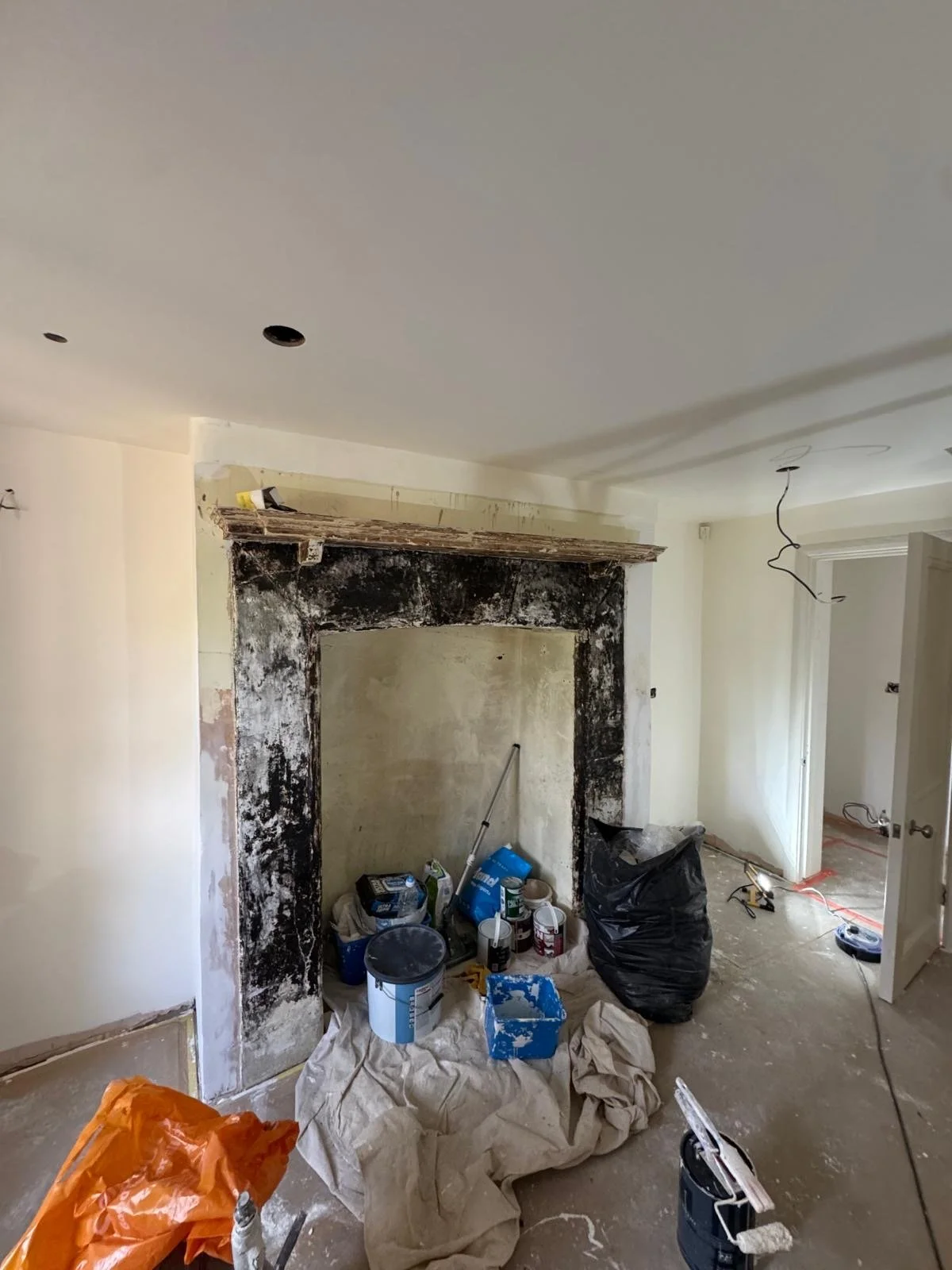
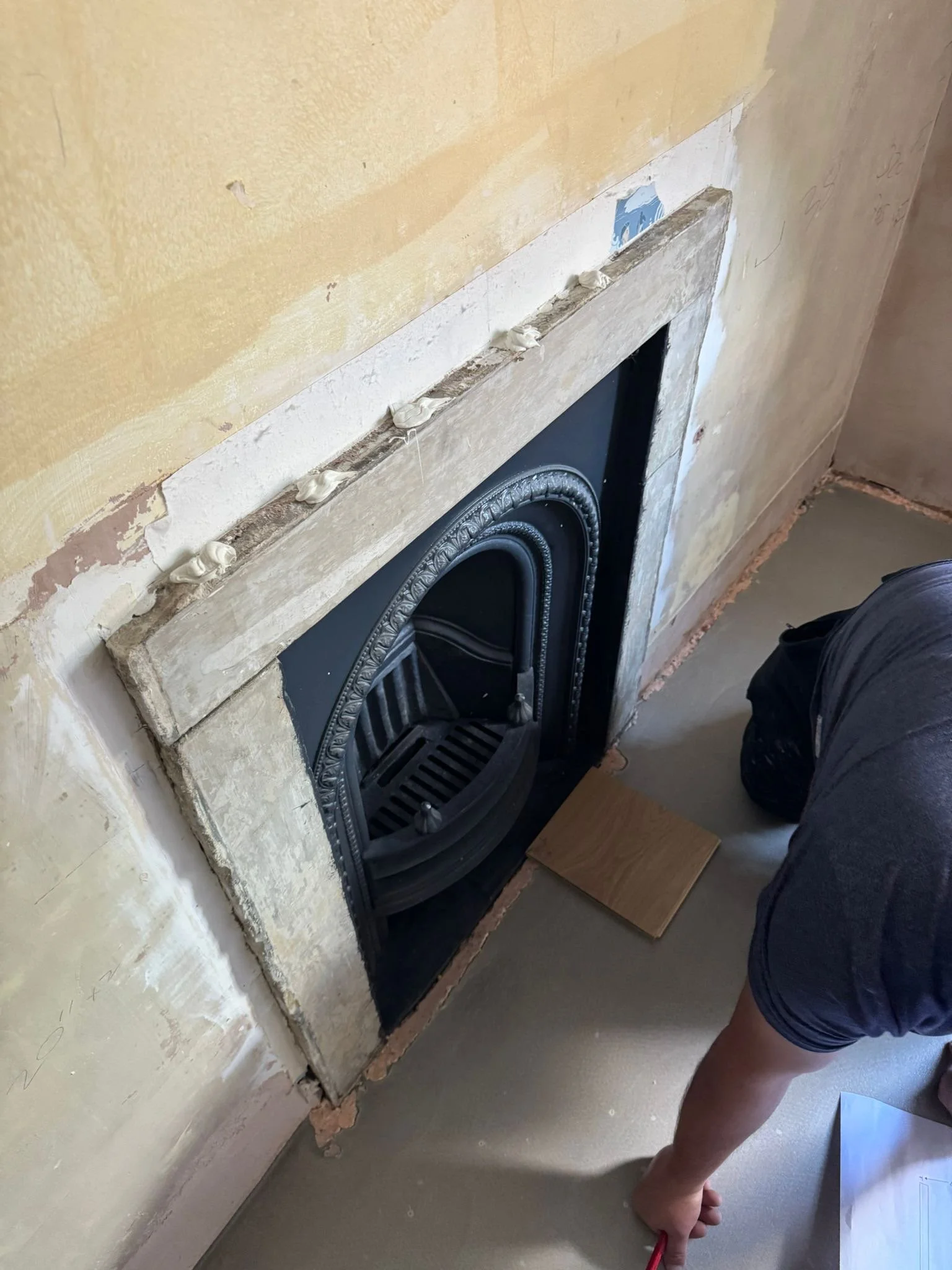
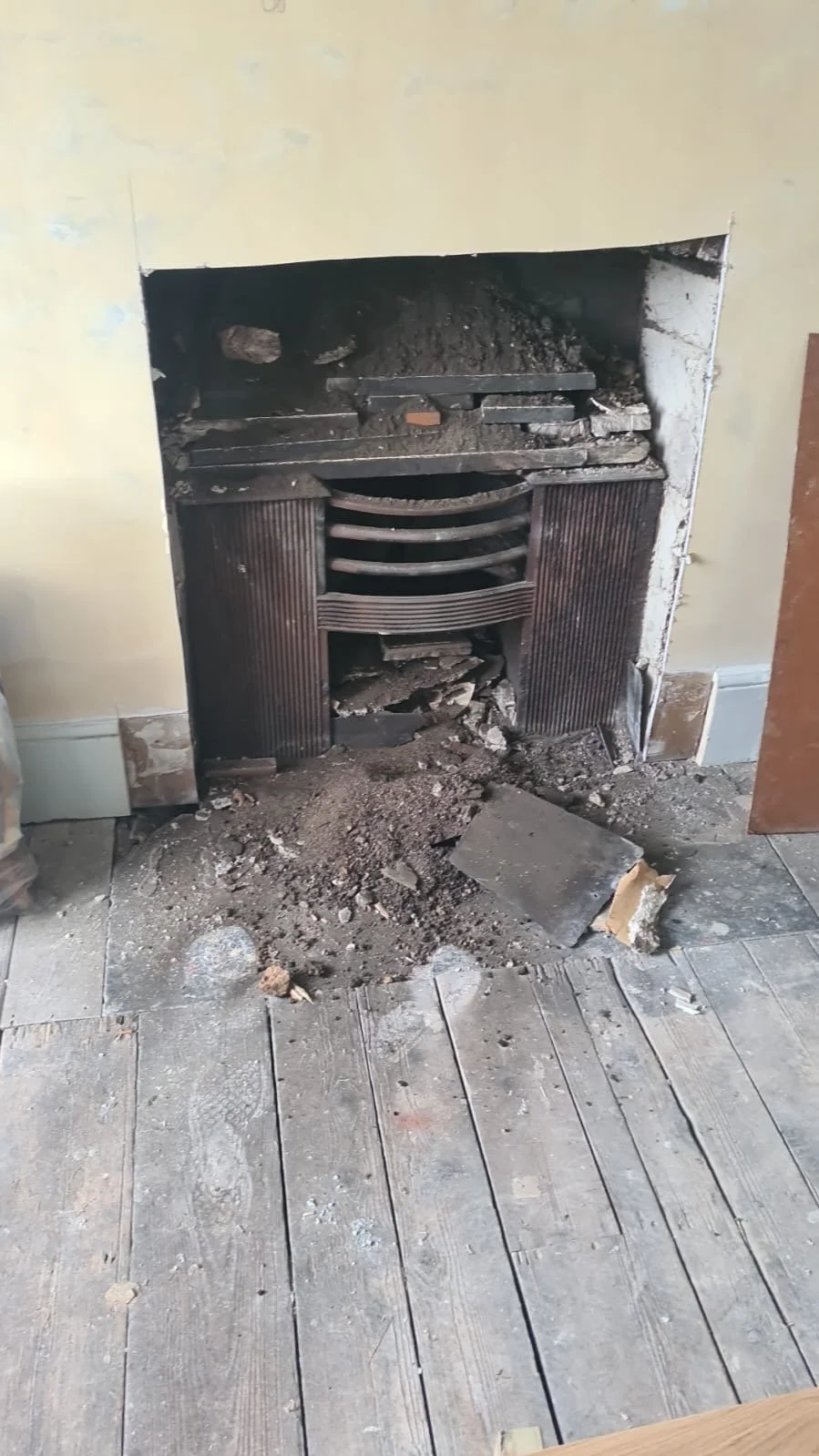
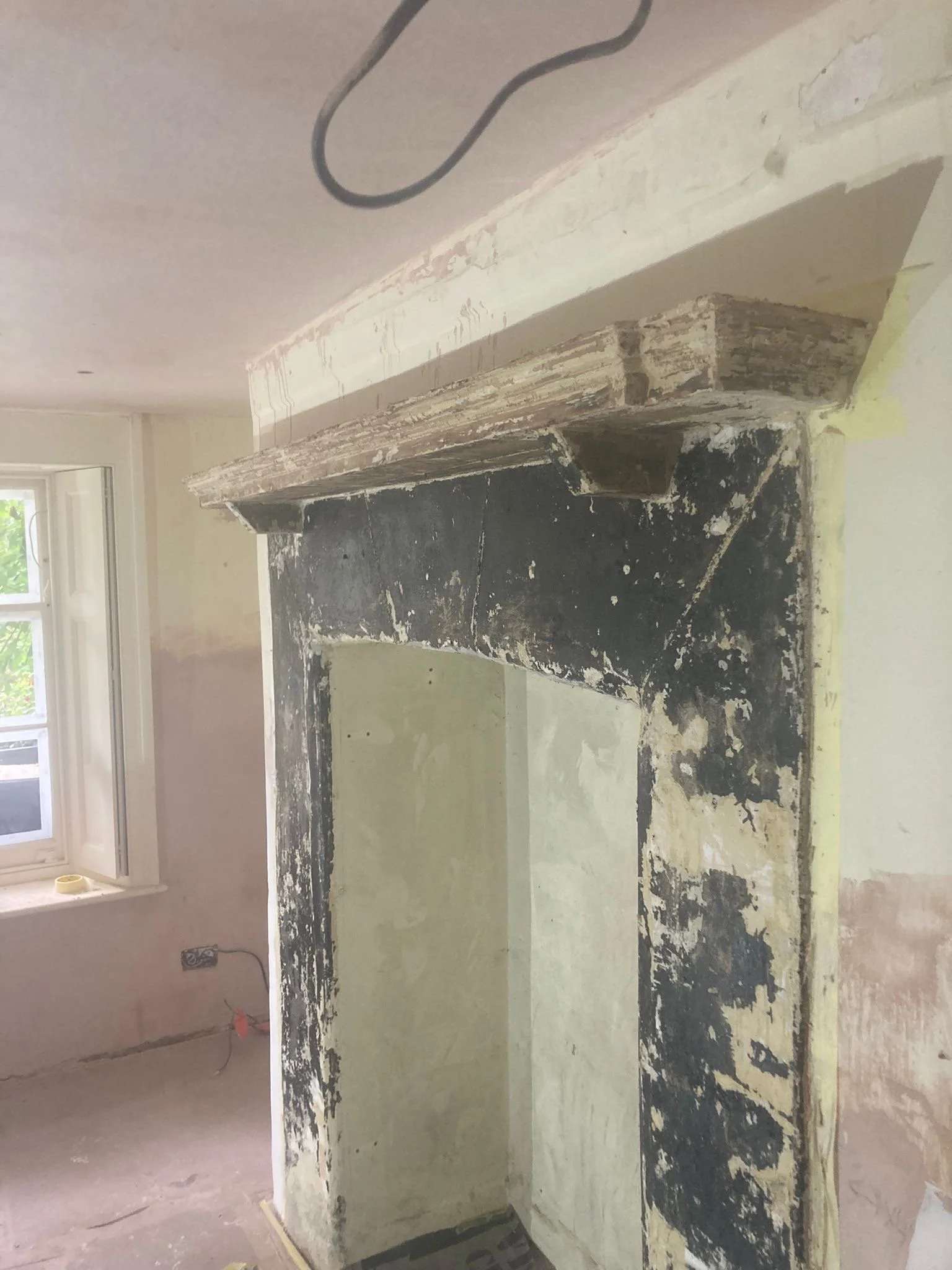
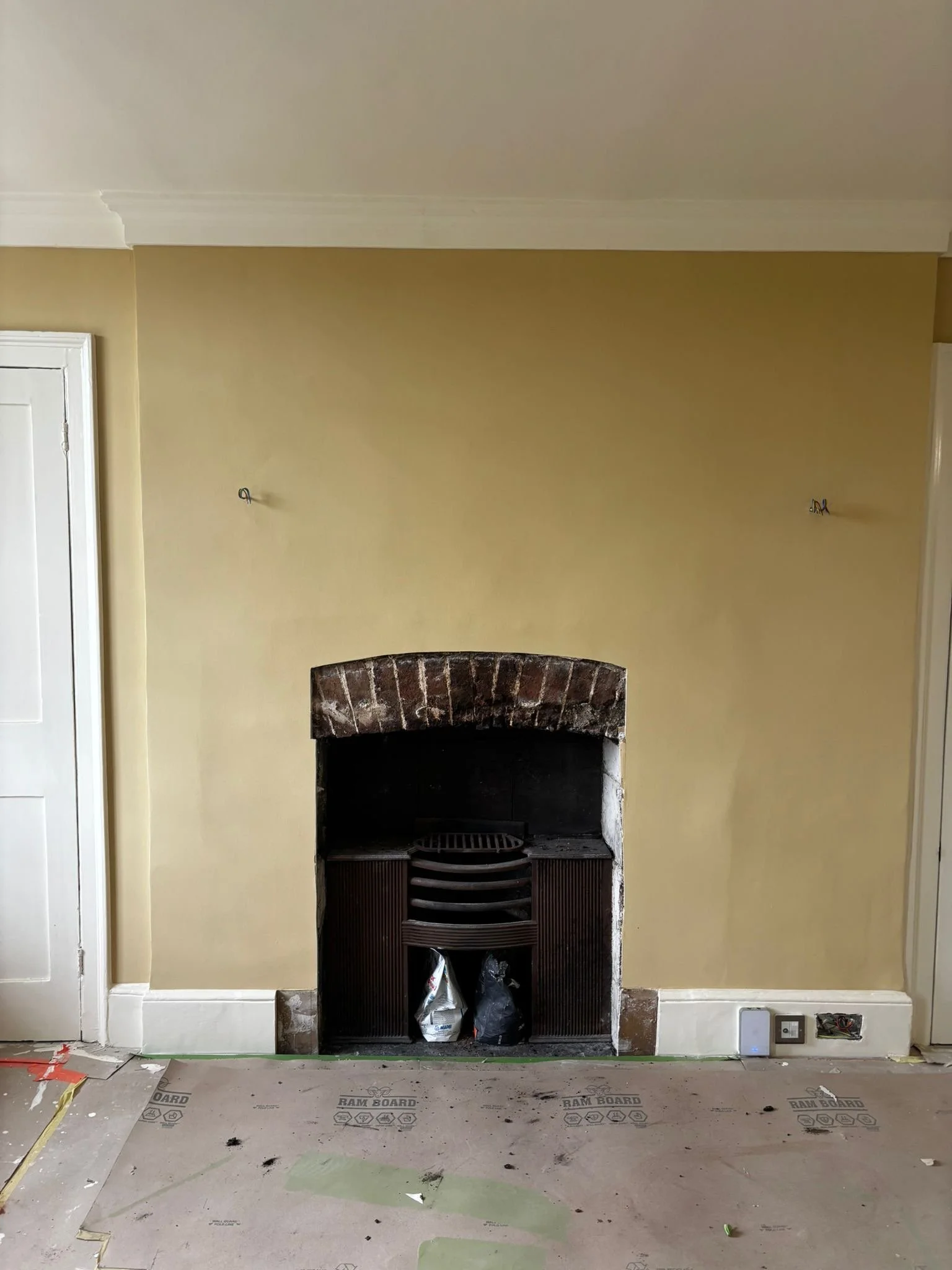
Among the most rewarding discoveries was the original fireplace within the principal bedroom. Carefully restored, it once again provides a beautiful focal point to the room and serves as a reminder that thoughtful architecture and quality craftsmanship can endure for generations.
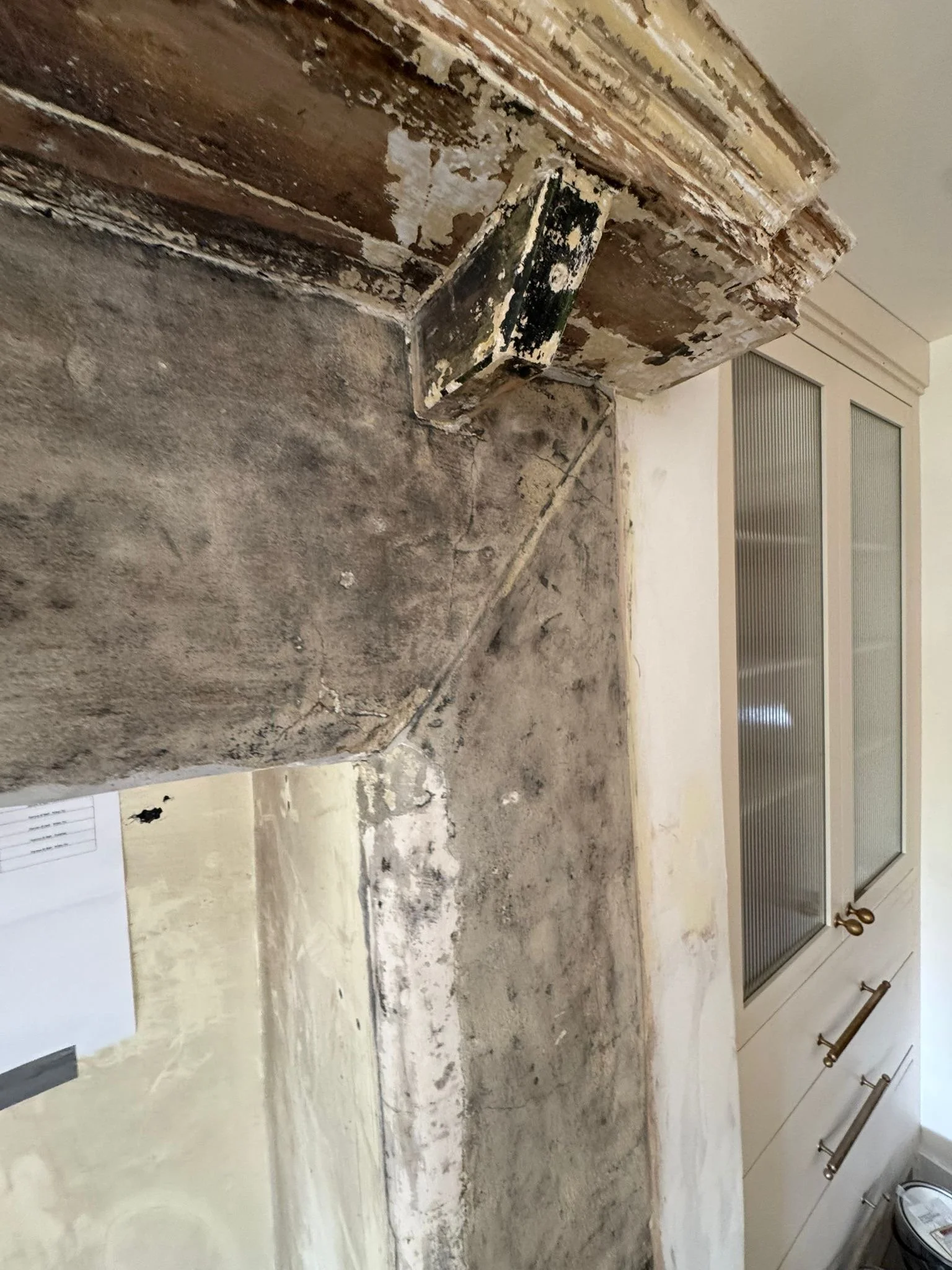
The kitchen fireplace tells a similar story.
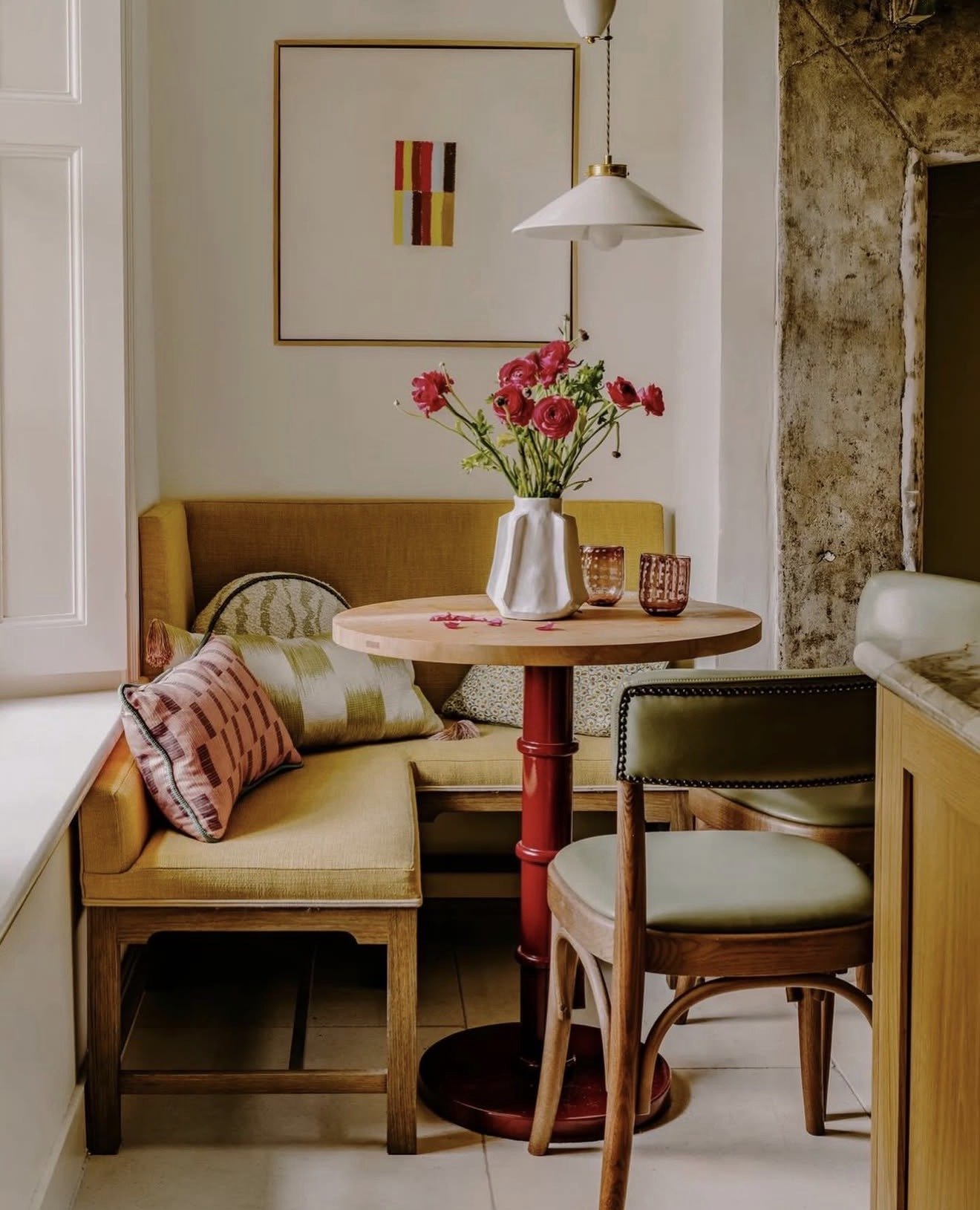
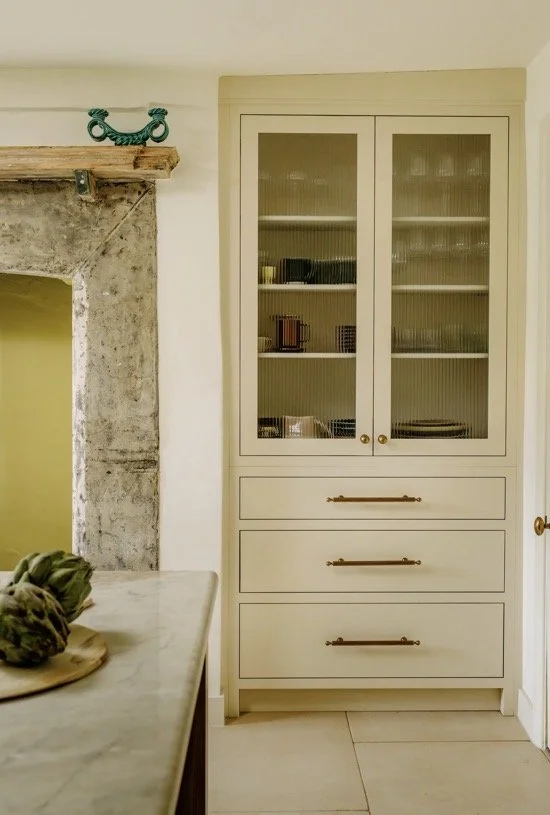
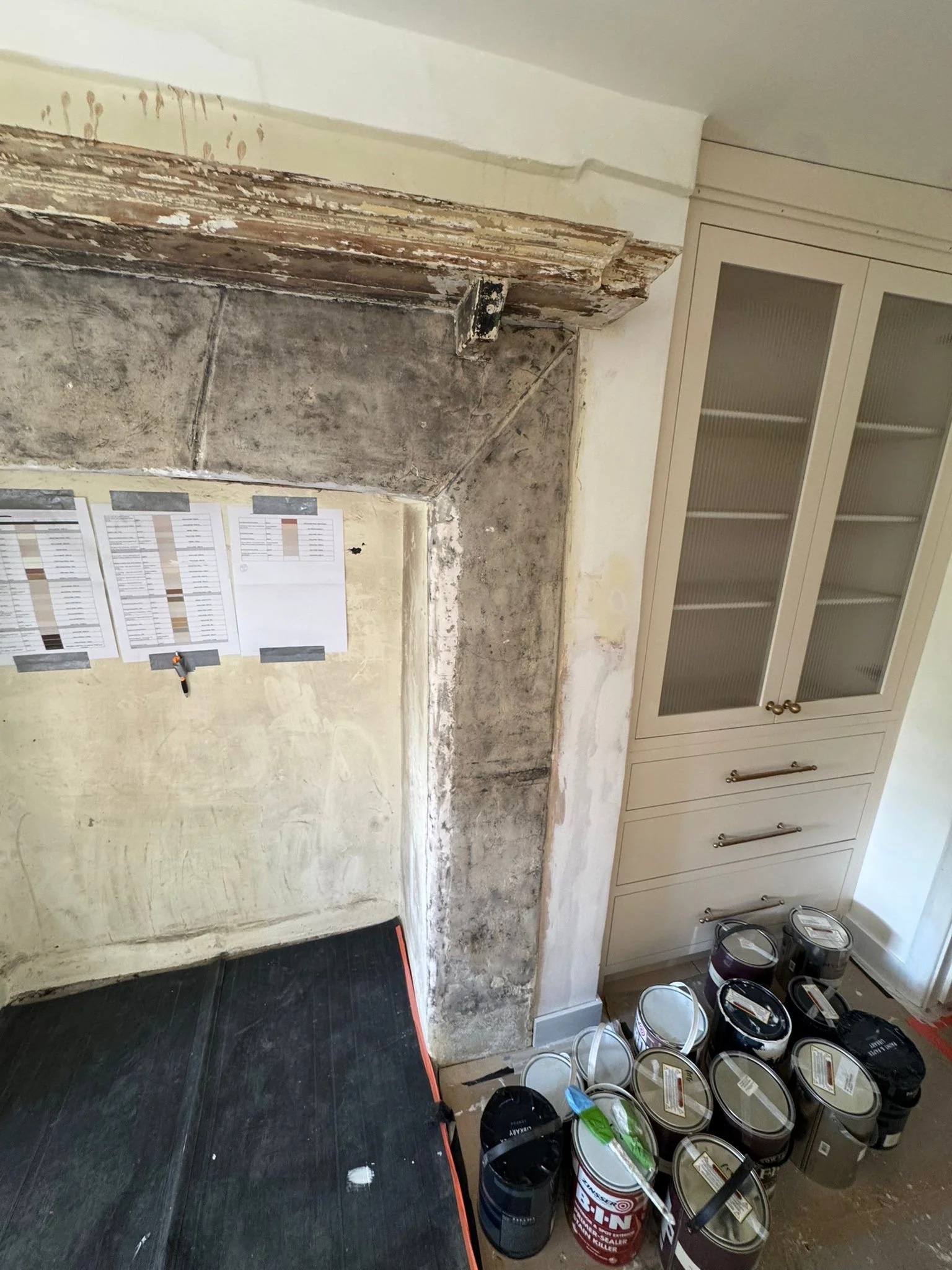
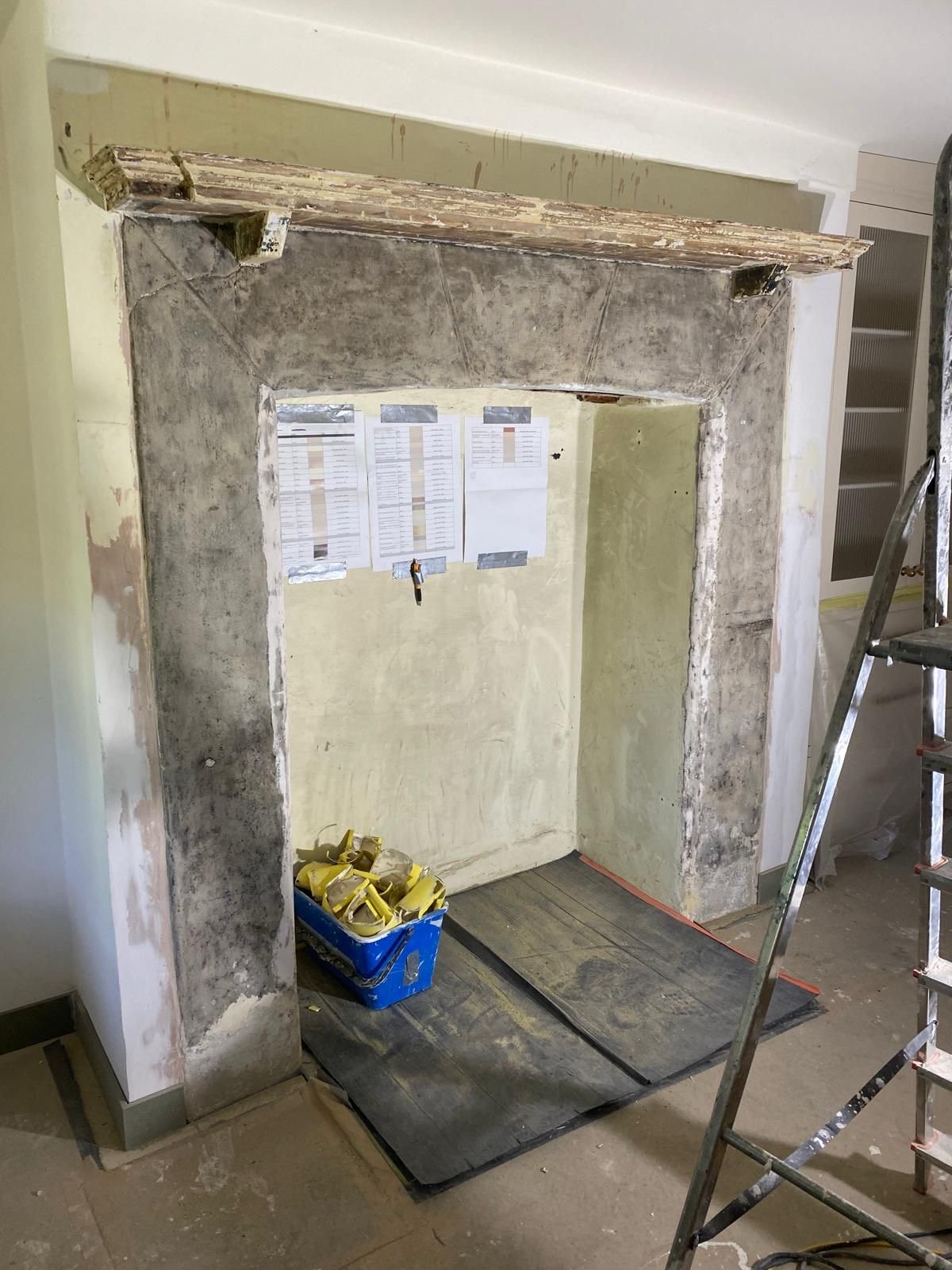
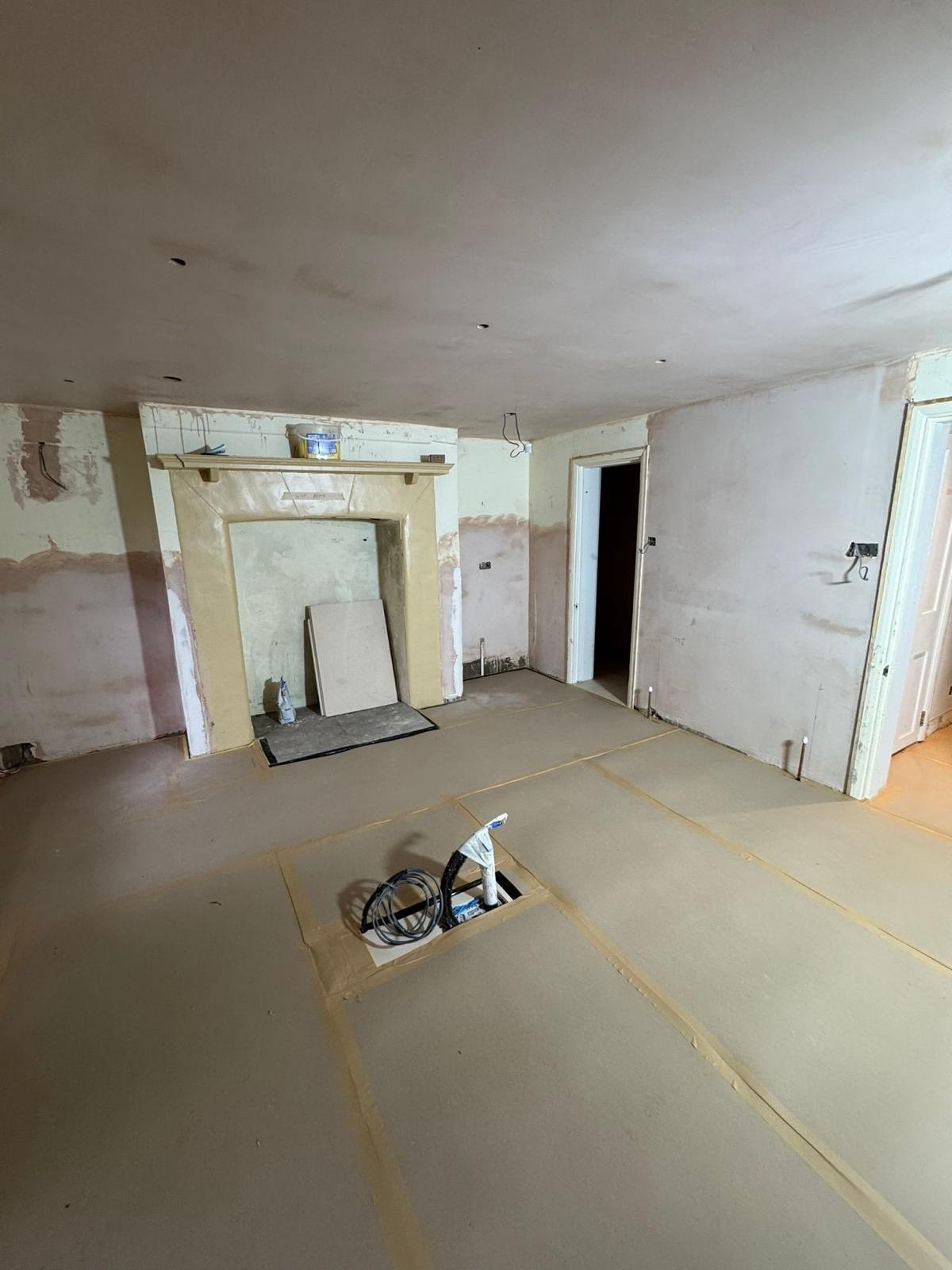
Originally, it had been intended that the fireplace would simply be redecorated. However, once decades of paint had been painstakingly stripped away, its natural beauty began to reveal itself. Rather than painting over it once again, the collective decision was made to leave it exposed in its restored state.
Today it has become one of our favourite features within the entire home.
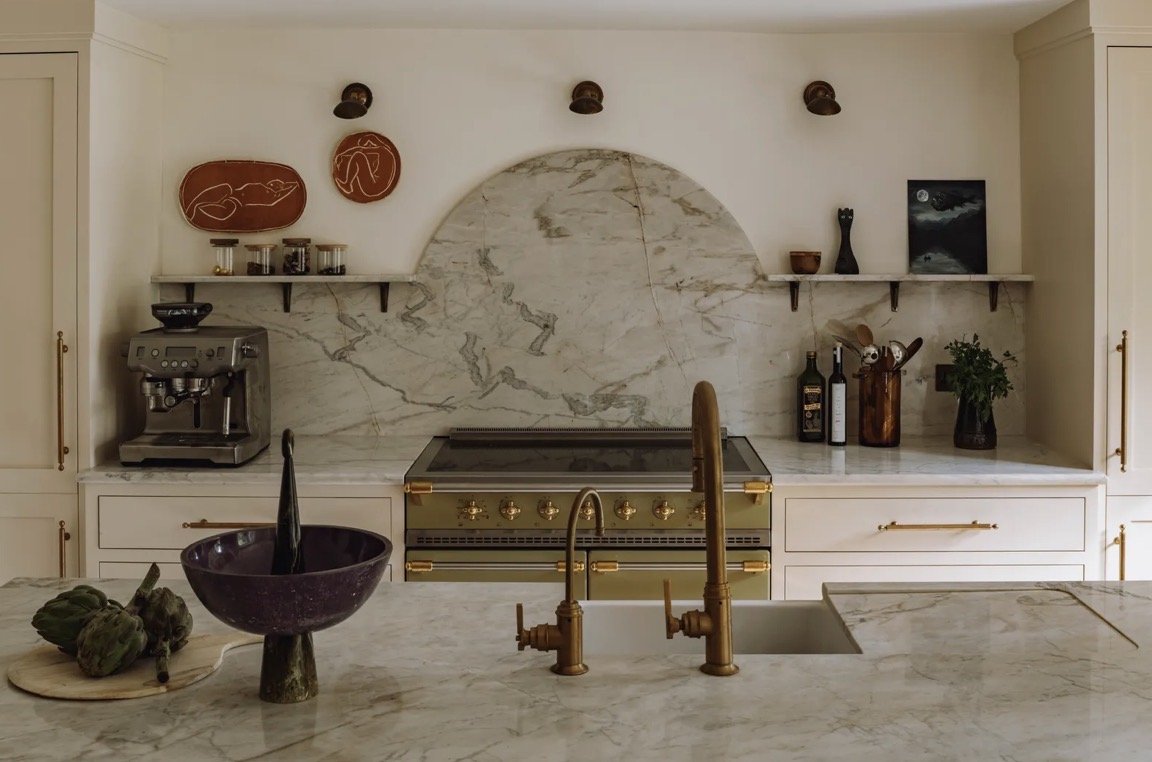
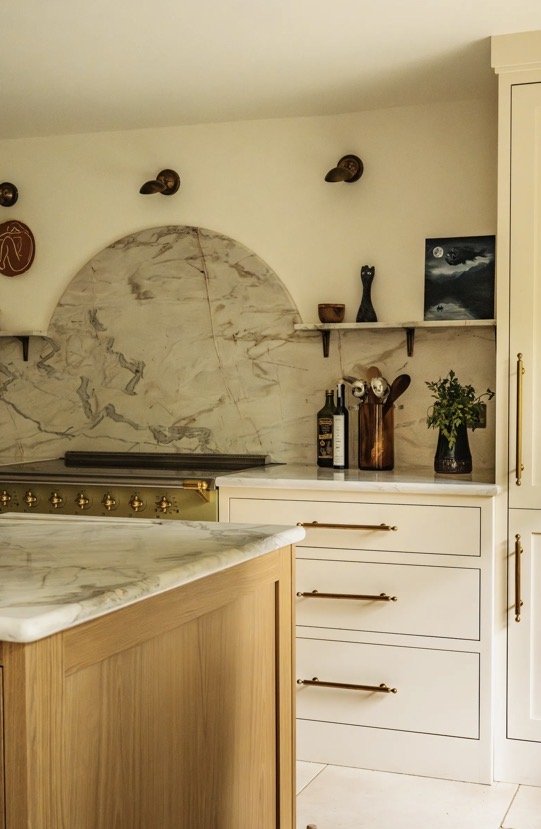
Alongside the beautifully handcrafted kitchen by Apron and the charming dining nook designed by Howark Design, the exposed fireplace brings warmth, texture and authenticity to what has become the heart of the property. It is these moments that remind us that sometimes the best design decisions are not made on paper, but are discovered during the construction process itself.
Craftsmanship That Complements the Original Building
Exceptional homes rely upon exceptional craftsmanship.
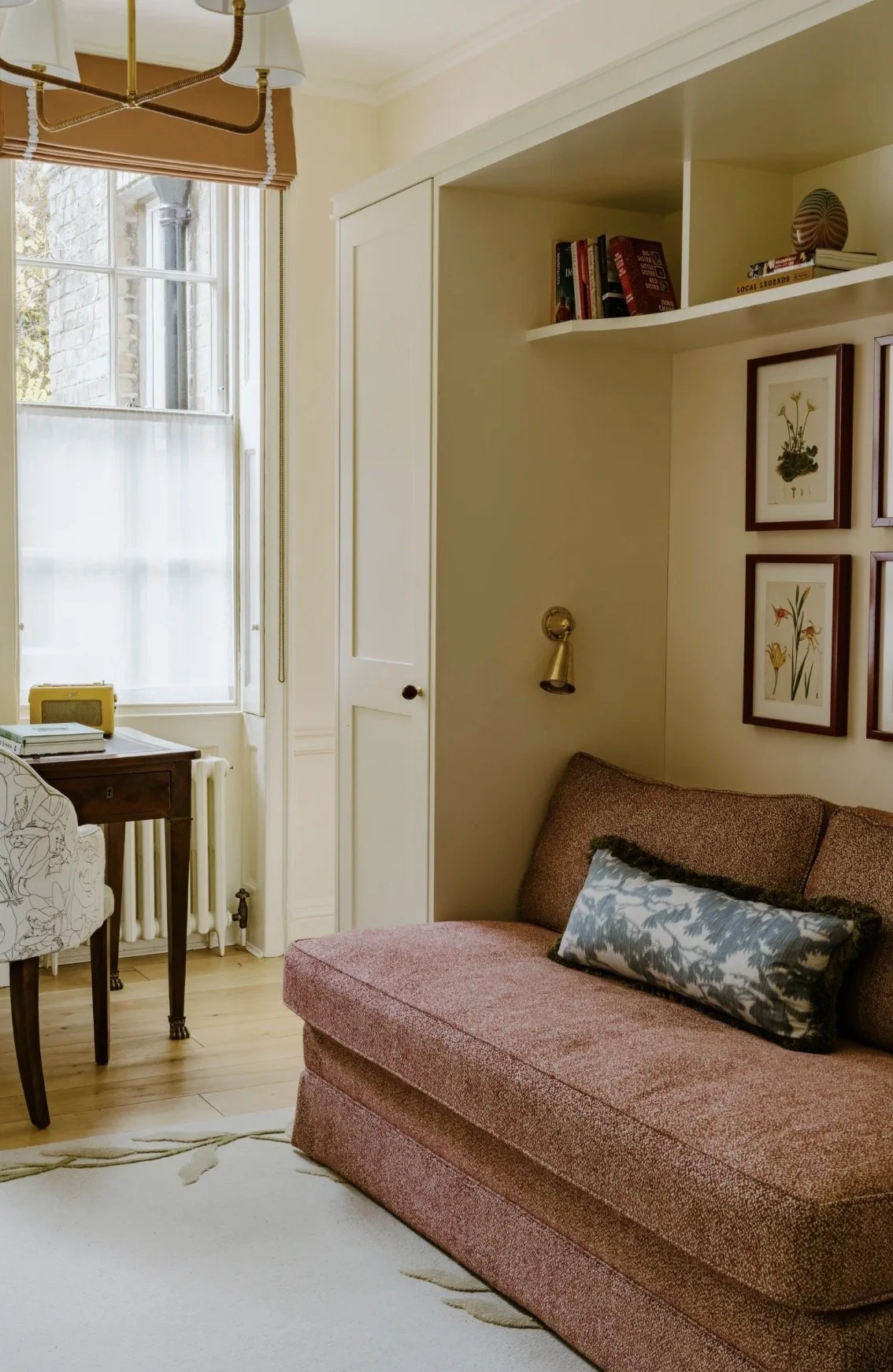
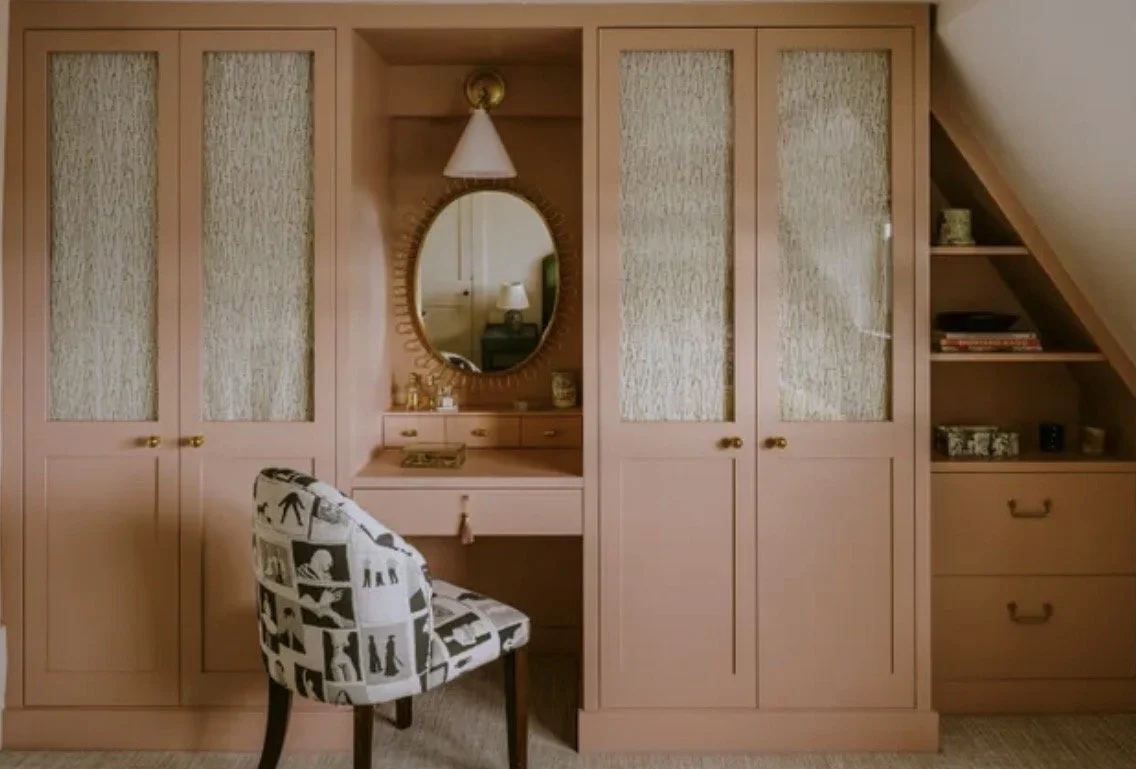
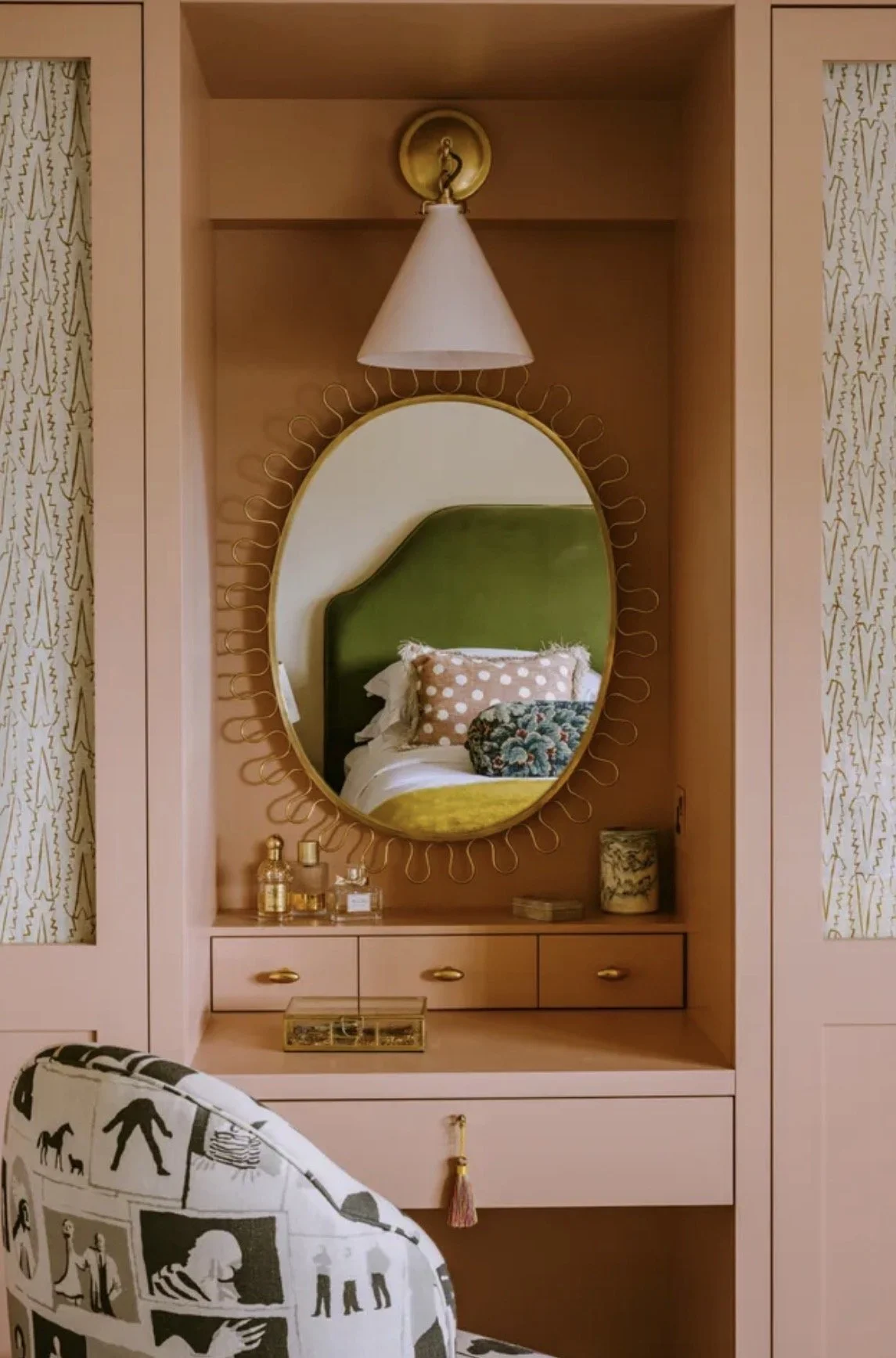
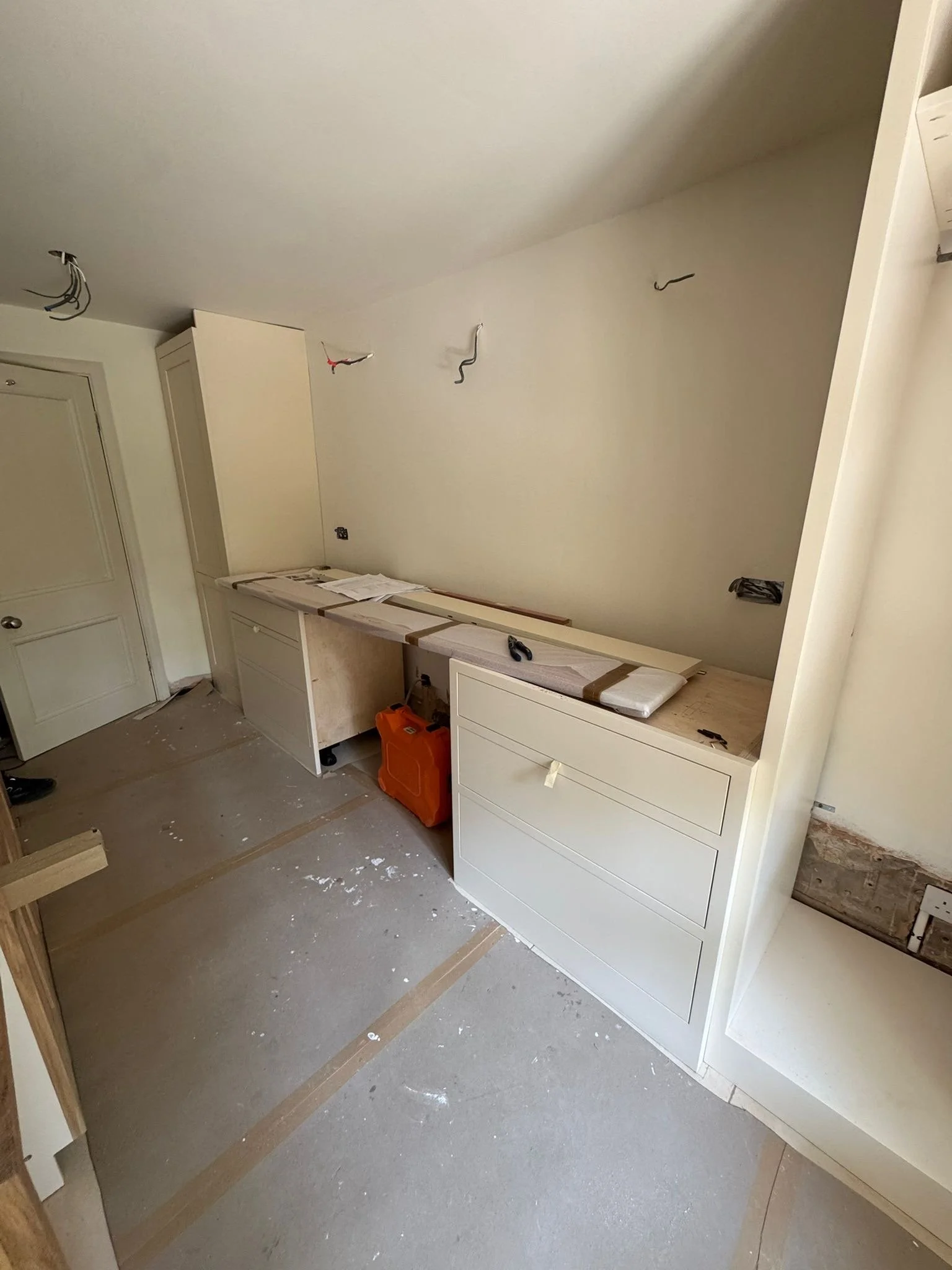
Throughout the property, bespoke joinery by Lethbridge Lines has been carefully integrated into the original architecture, providing beautifully detailed storage and cabinetry that feels as though it has always belonged within the house.
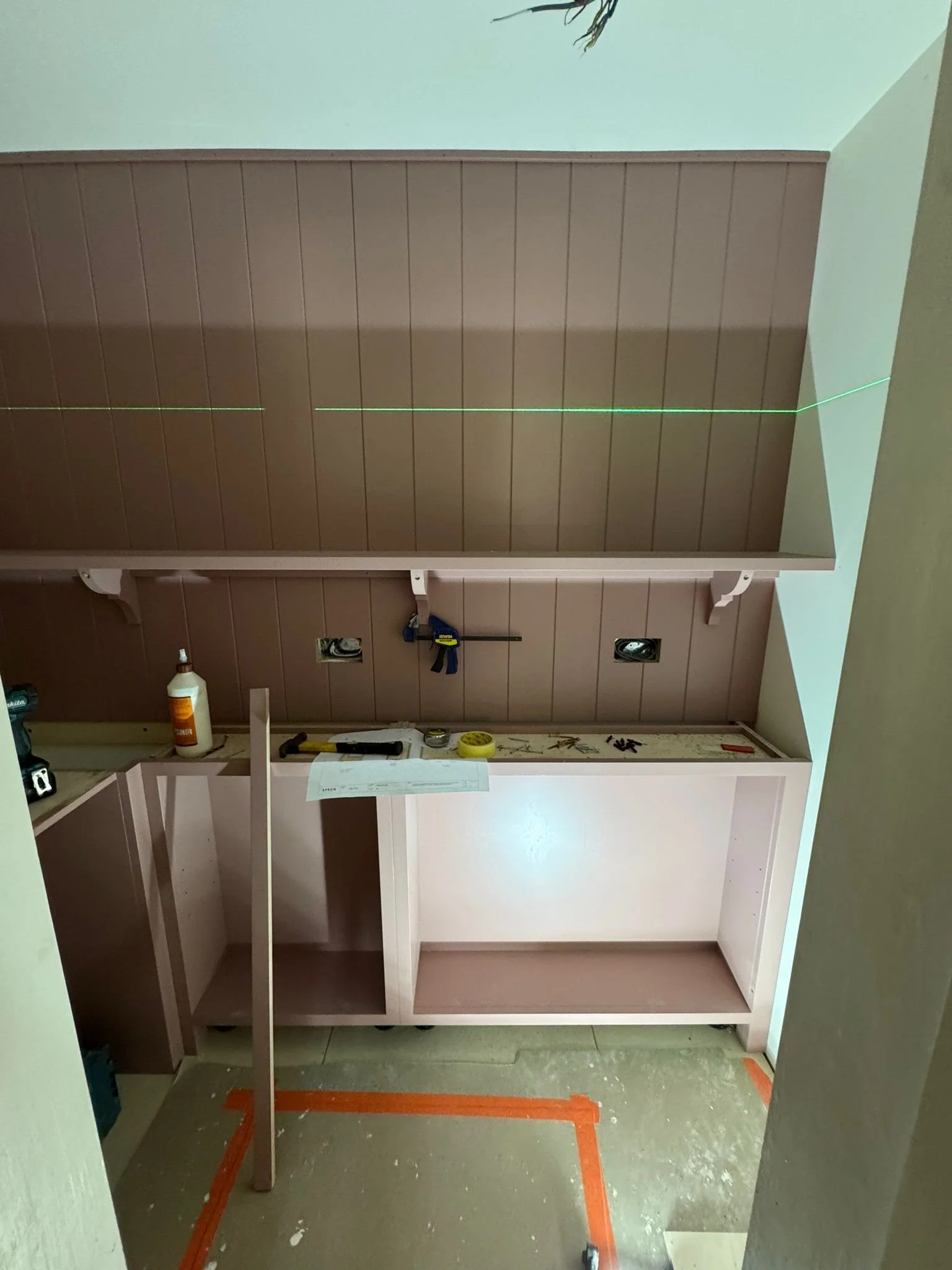
The handmade kitchen by Apron is another standout feature of the project. Every element has been thoughtfully considered, creating a space that is elegant, practical and perfectly suited to the character of the building.
Together, these carefully crafted elements sit comfortably alongside the original architectural features, creating interiors that feel timeless rather than trend-led.
Respecting the Past
One of the defining principles of Project Well Walk was to retain as much of the original building as possible.
Historic properties deserve to be treated with respect, and wherever heritage guidance allowed, every effort was made to repair, restore and reuse rather than replace.
This philosophy extended beyond the house itself.
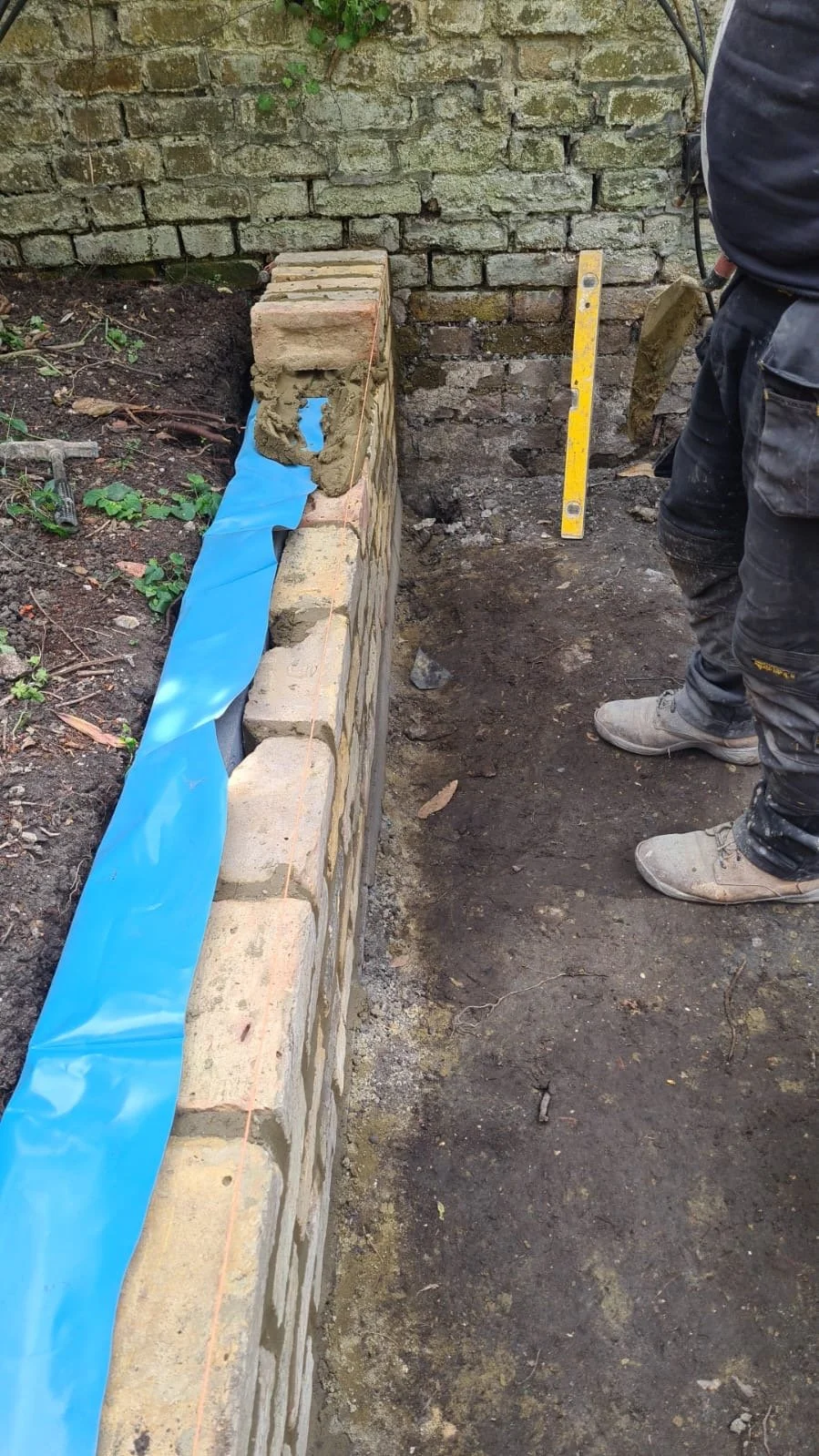
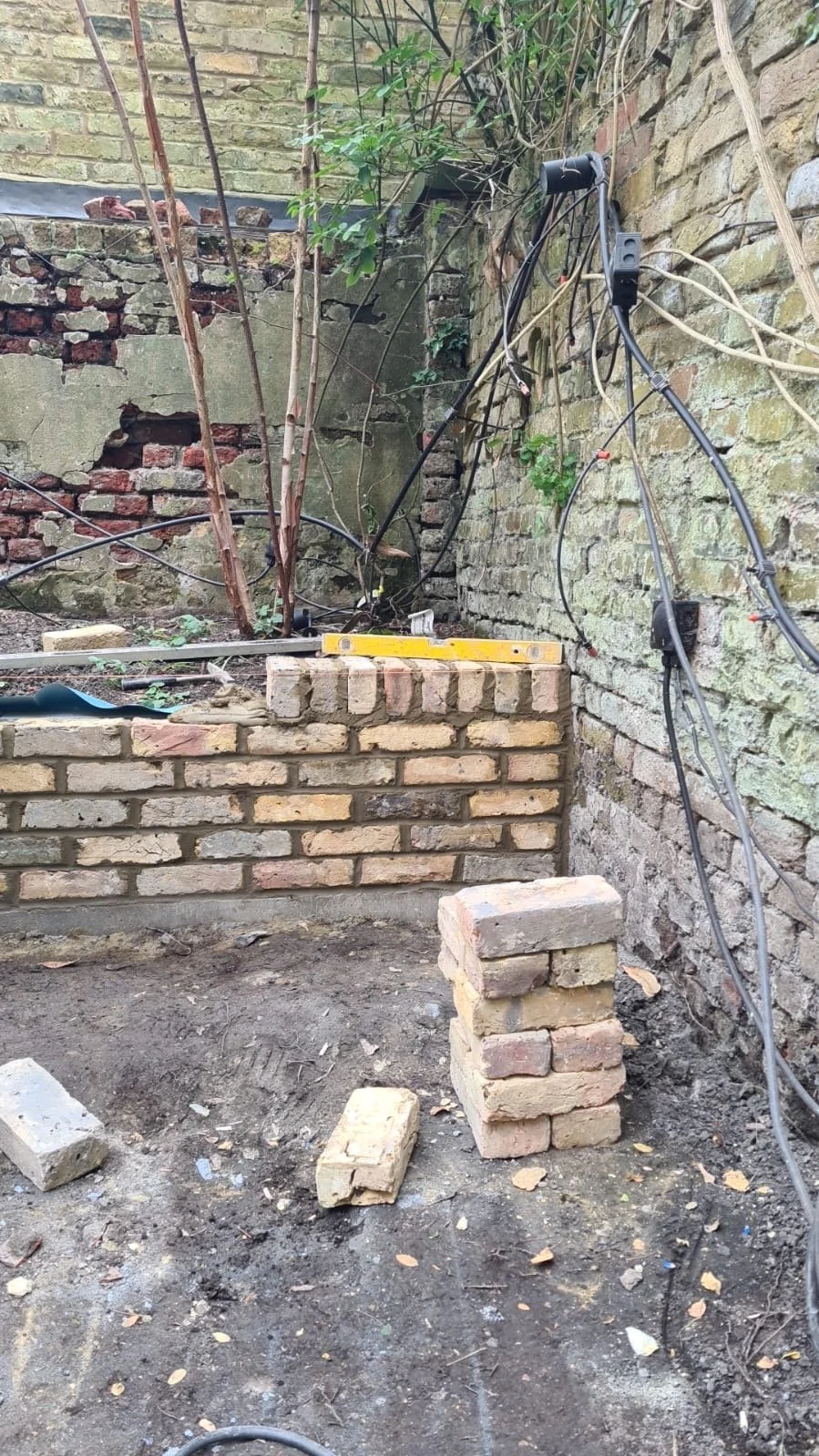
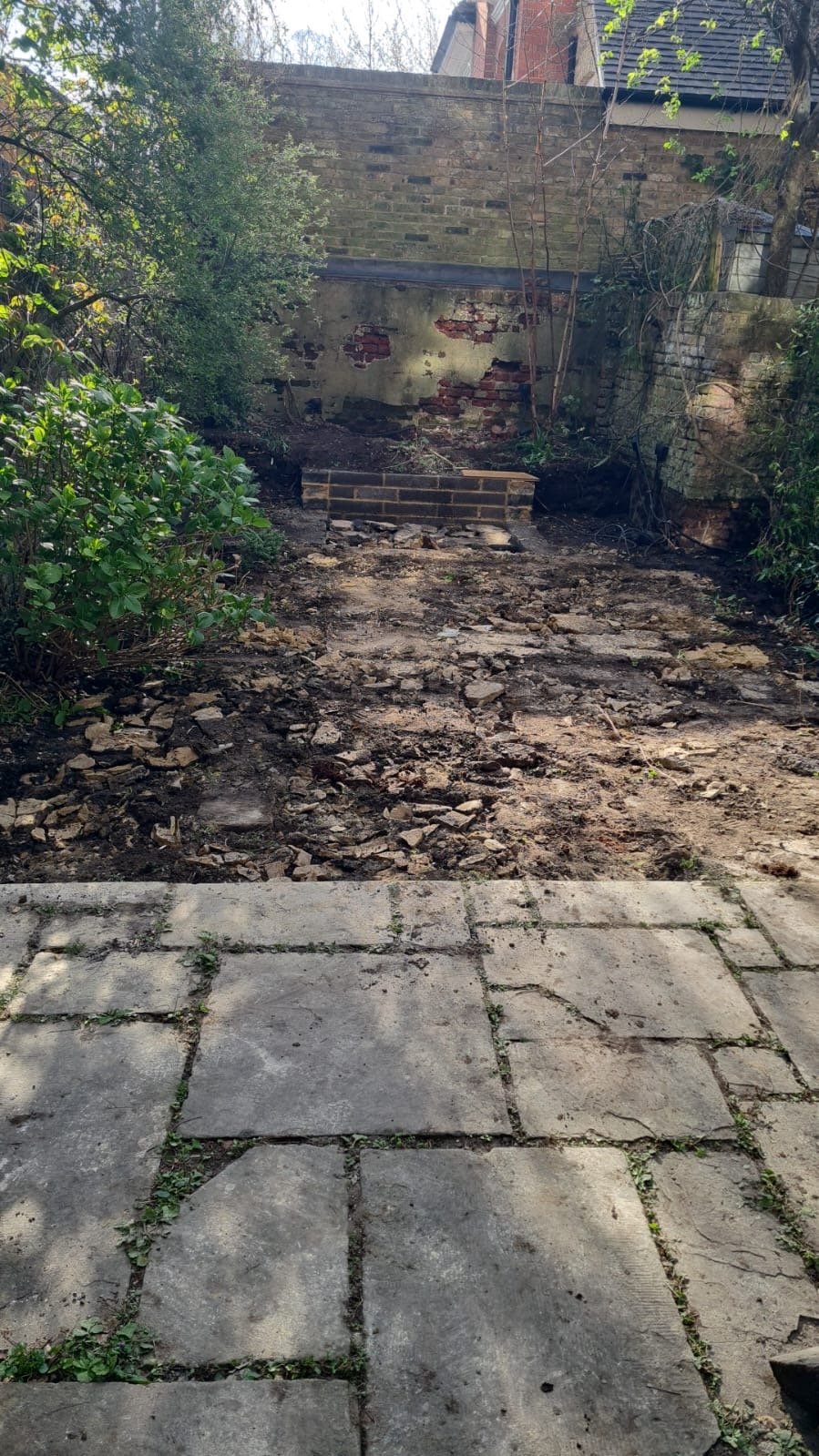
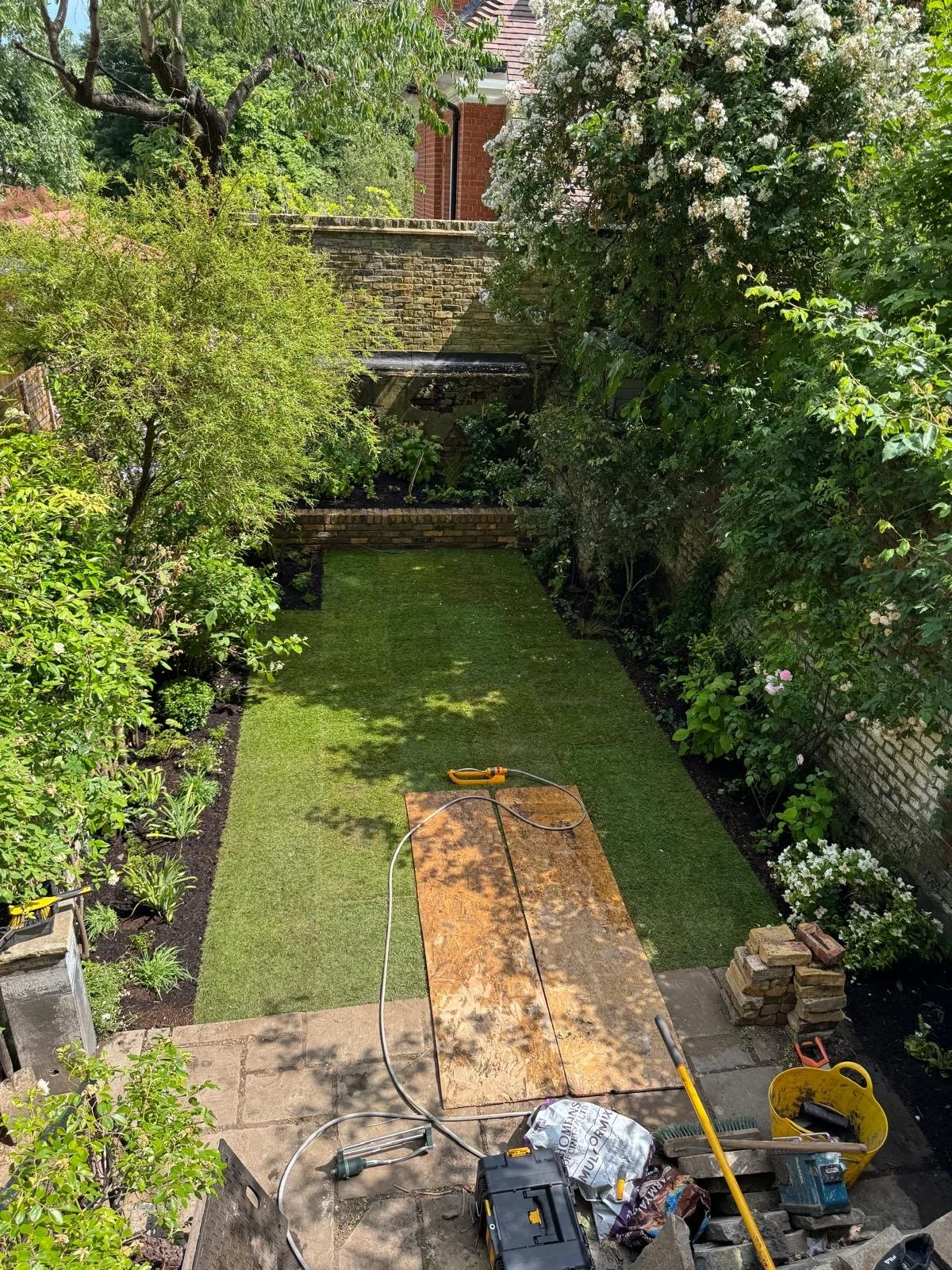
During the garden works, the original stone paving was carefully lifted as part of the wider landscape transformation, which included new raised planting beds in preparation for specialist landscaping. Rather than allowing those beautiful stone slabs to become waste, they were carefully removed and reused in a neighbouring property, extending the life of materials that had served for generations.
It was a relatively small detail, but one that perfectly reflected the ethos of the project: preserving quality materials, reducing unnecessary waste and ensuring that the history of the property could continue beyond its own boundaries.
The completed garden now feels entirely in keeping with the age and character of the house, complementing the architecture rather than competing with it.
Bringing Everything Together
Behind every beautifully finished home lies months of planning, coordination and problem-solving.
As Principal Contractor, our role extended far beyond managing trades on site. We coordinated specialist contractors, managed procurement, maintained programme, monitored quality and ensured clear communication between everyone involved throughout the eight-month refurbishment.
Projects of this nature inevitably require flexibility. Historic buildings rarely reveal everything at survey stage, and adapting to those discoveries without compromising quality or design intent is one of the most rewarding aspects of our work.
The success of Project Well Walk is a reflection of every consultant, craftsperson and specialist involved throughout the project. Working alongside Howark Design was a genuine pleasure, and their vision is evident in every room.
Looking Forward
Historic buildings ask different questions of those who work on them.
They require patience, flexibility and an appreciation that the building itself will often influence decisions made throughout construction. Whilst this can make projects more complex, it is also what makes them so rewarding.
Projects like Well Walk remind us that our role extends far beyond delivering a construction programme. It is about understanding the building, respecting its history and working alongside talented designers and craftspeople to ensure its next chapter is every bit as considered as the last.
Eight months after first stepping through the front door, we handed back not simply a completed refurbishment, but a home whose original character had been celebrated rather than concealed. Original fireplaces once hidden from view have been restored, handcrafted contemporary interventions sit comfortably alongside centuries-old architecture, and every space tells part of the building's ongoing story.
For us, that is what makes heritage refurbishment such a privilege, and why projects like Project Well Walk remain some of the most rewarding work we have the opportunity to deliver.
Behind the Build
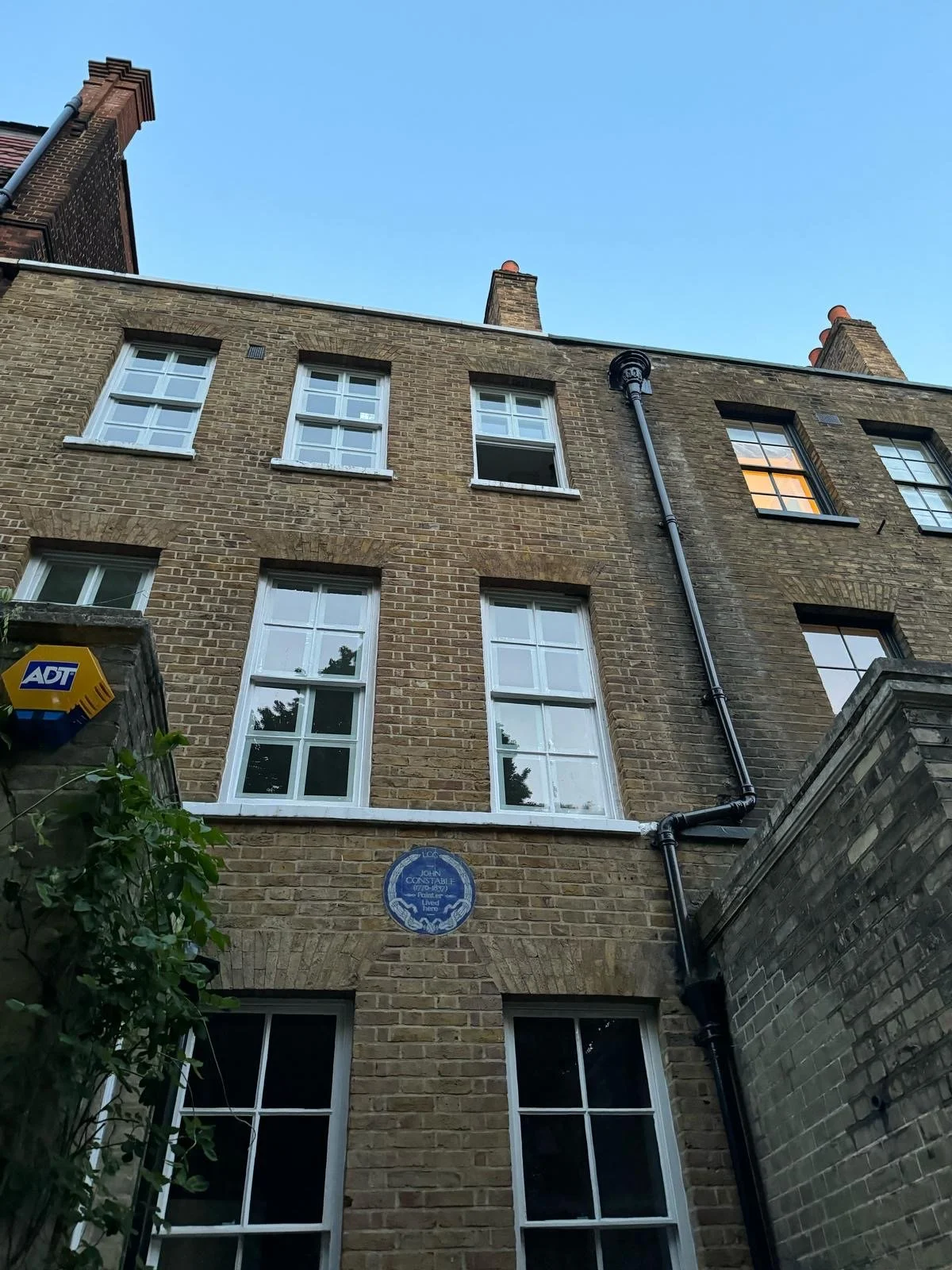
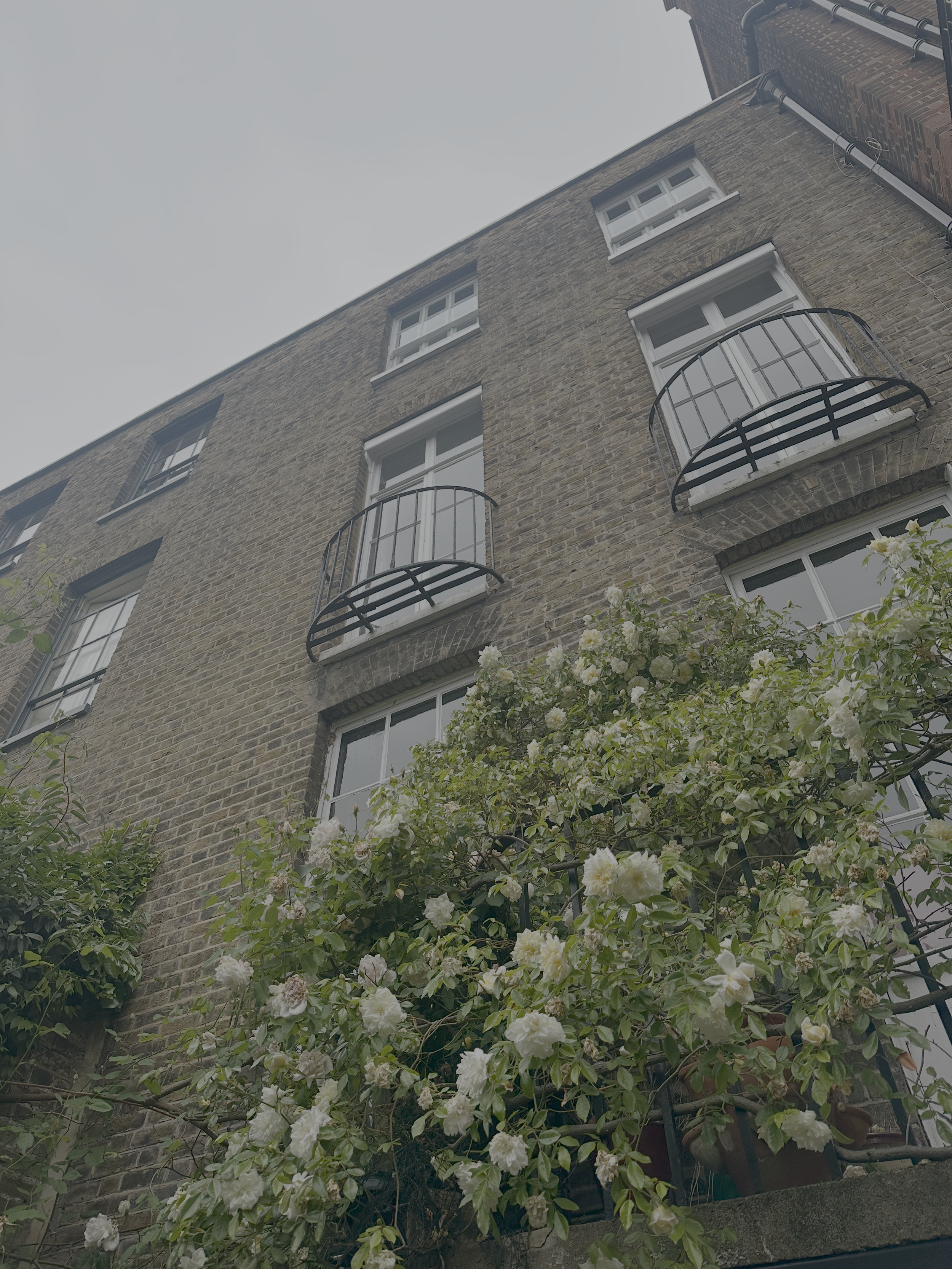
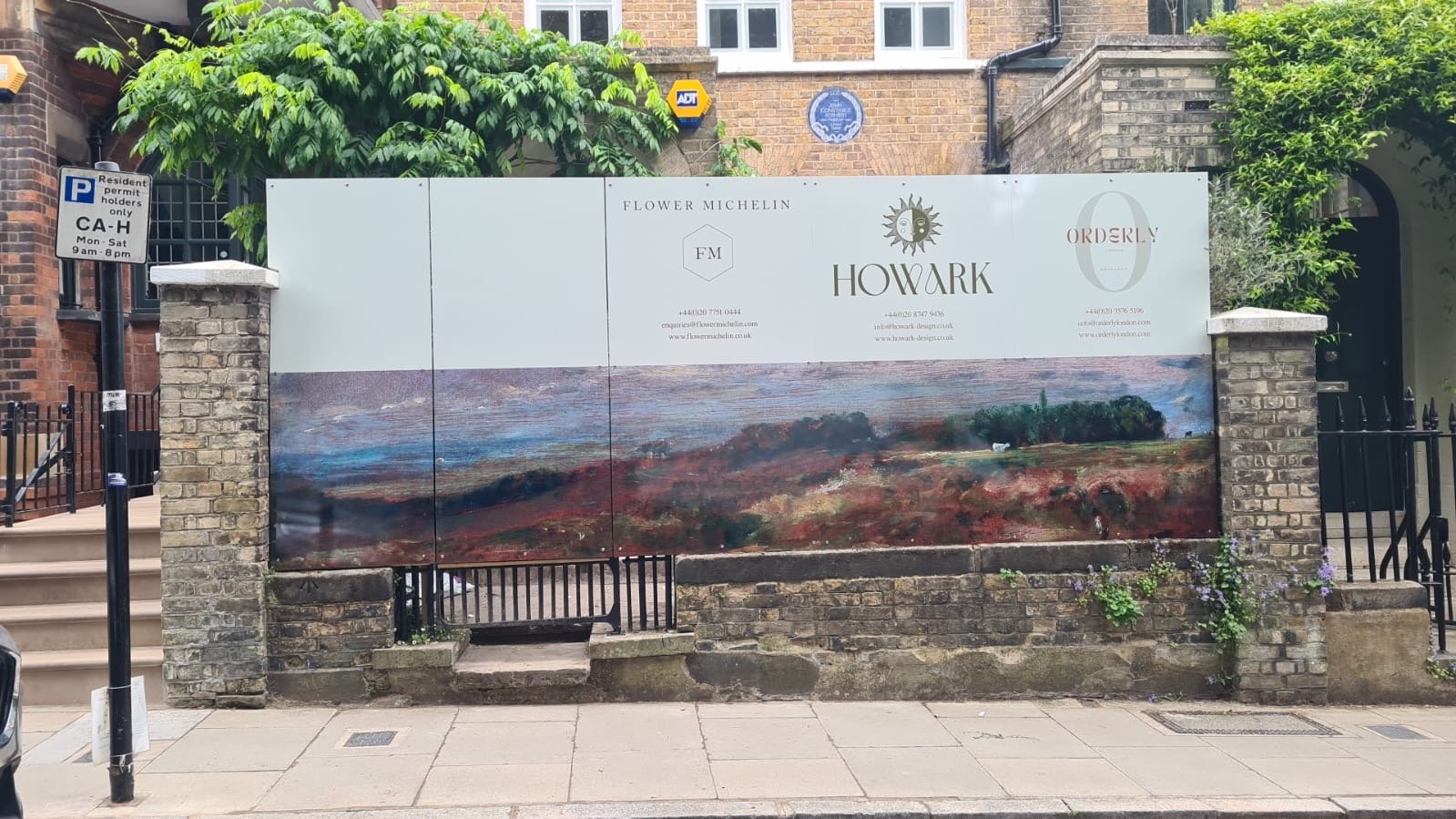
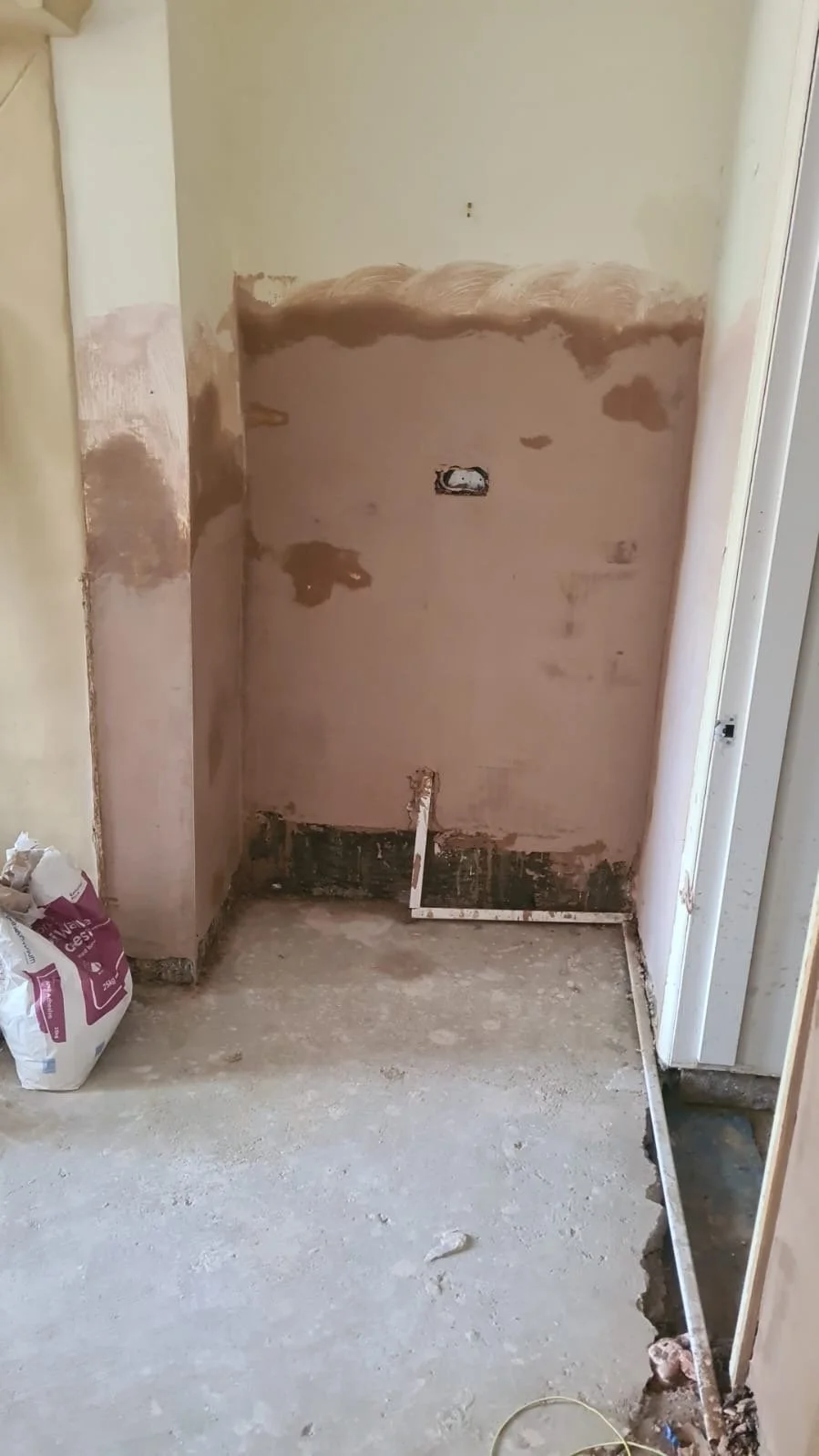
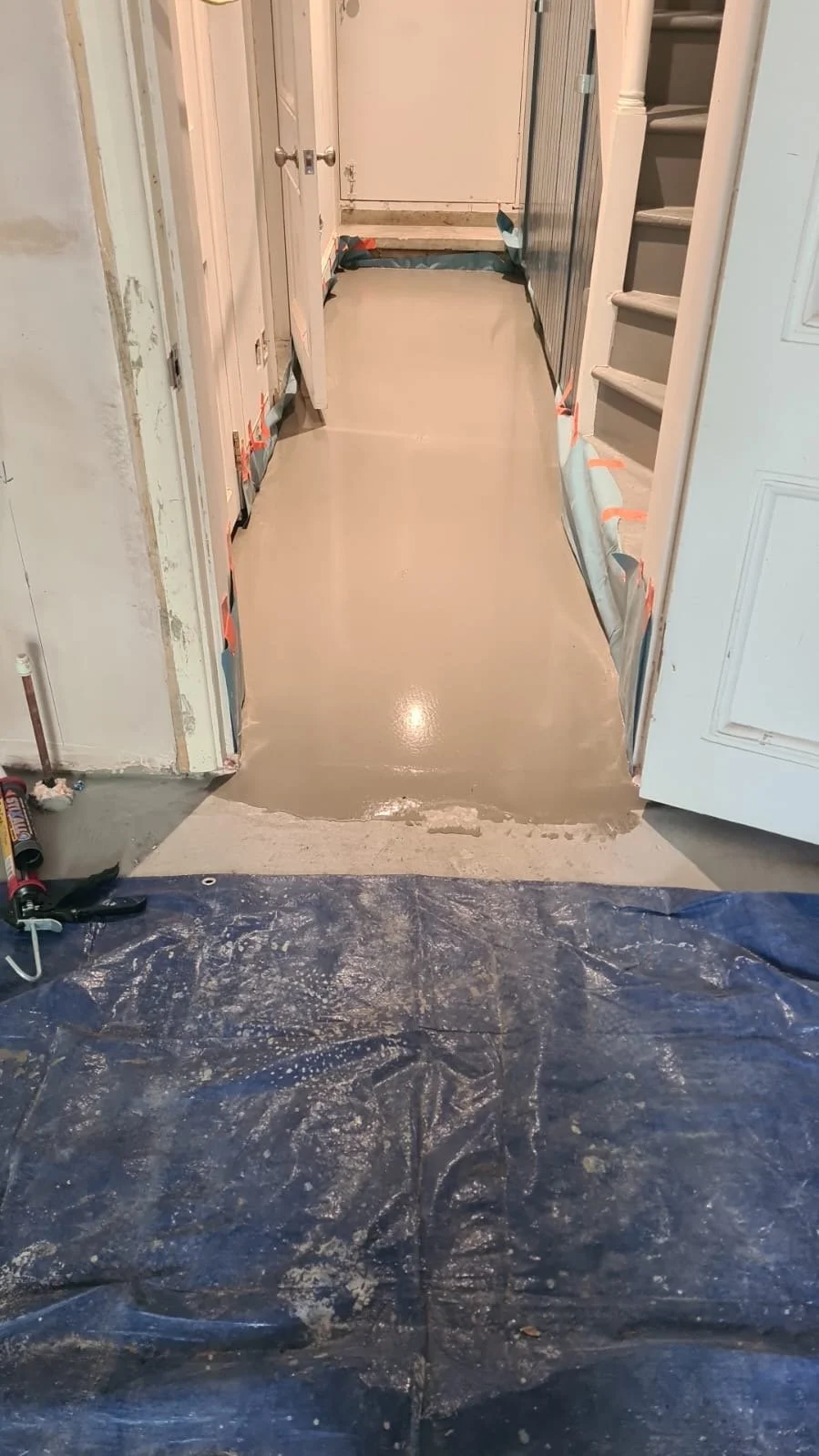
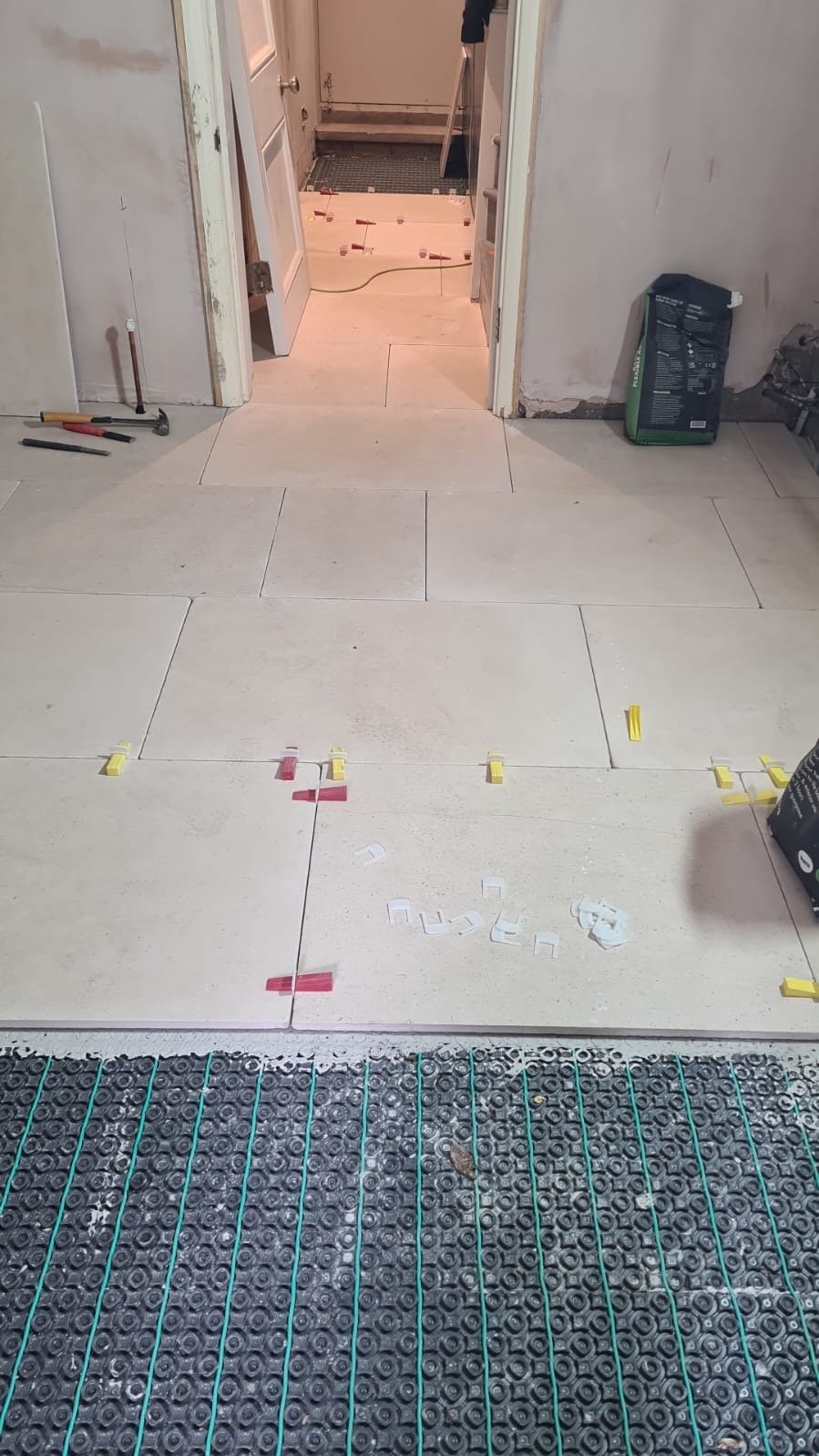
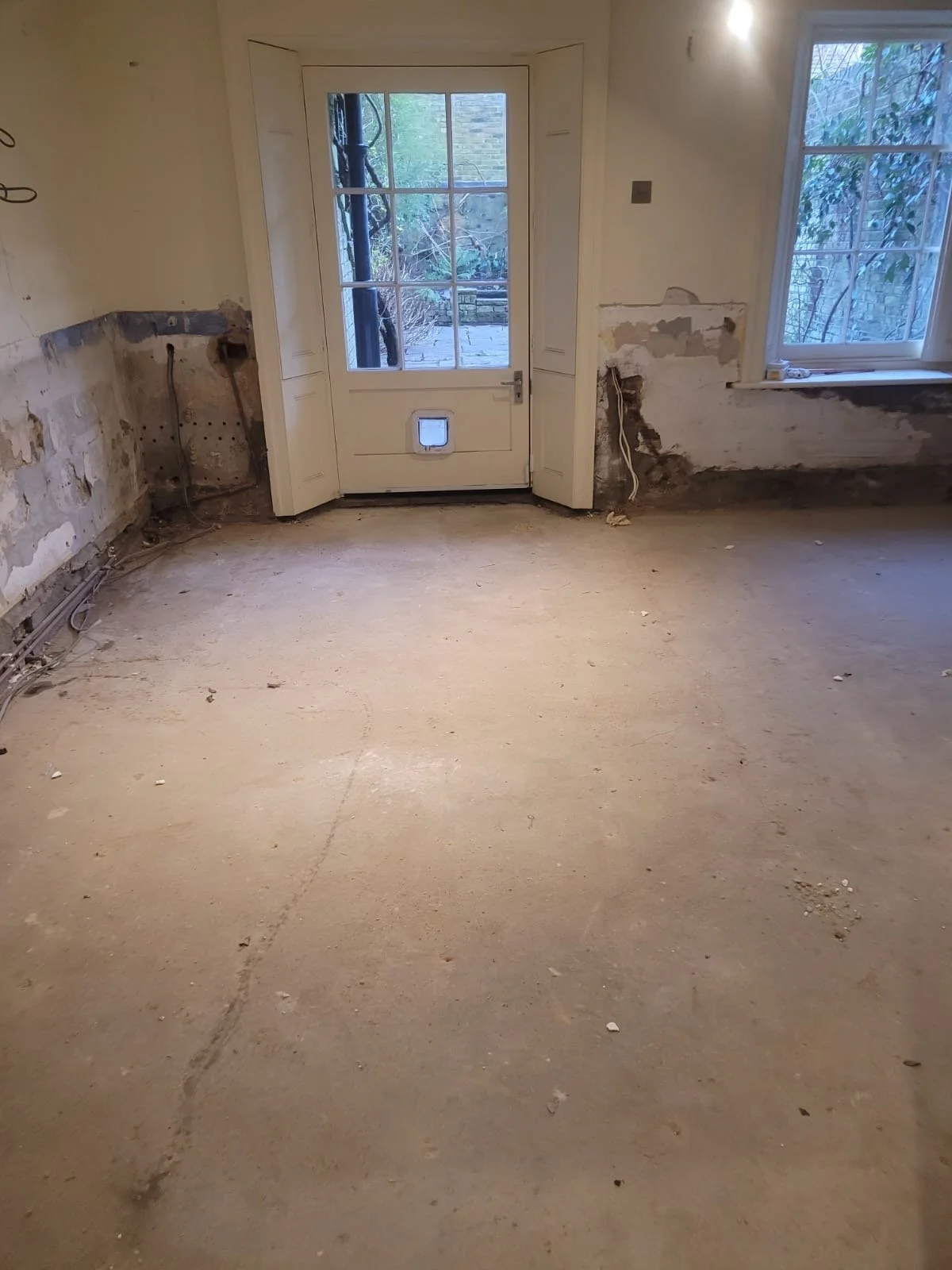
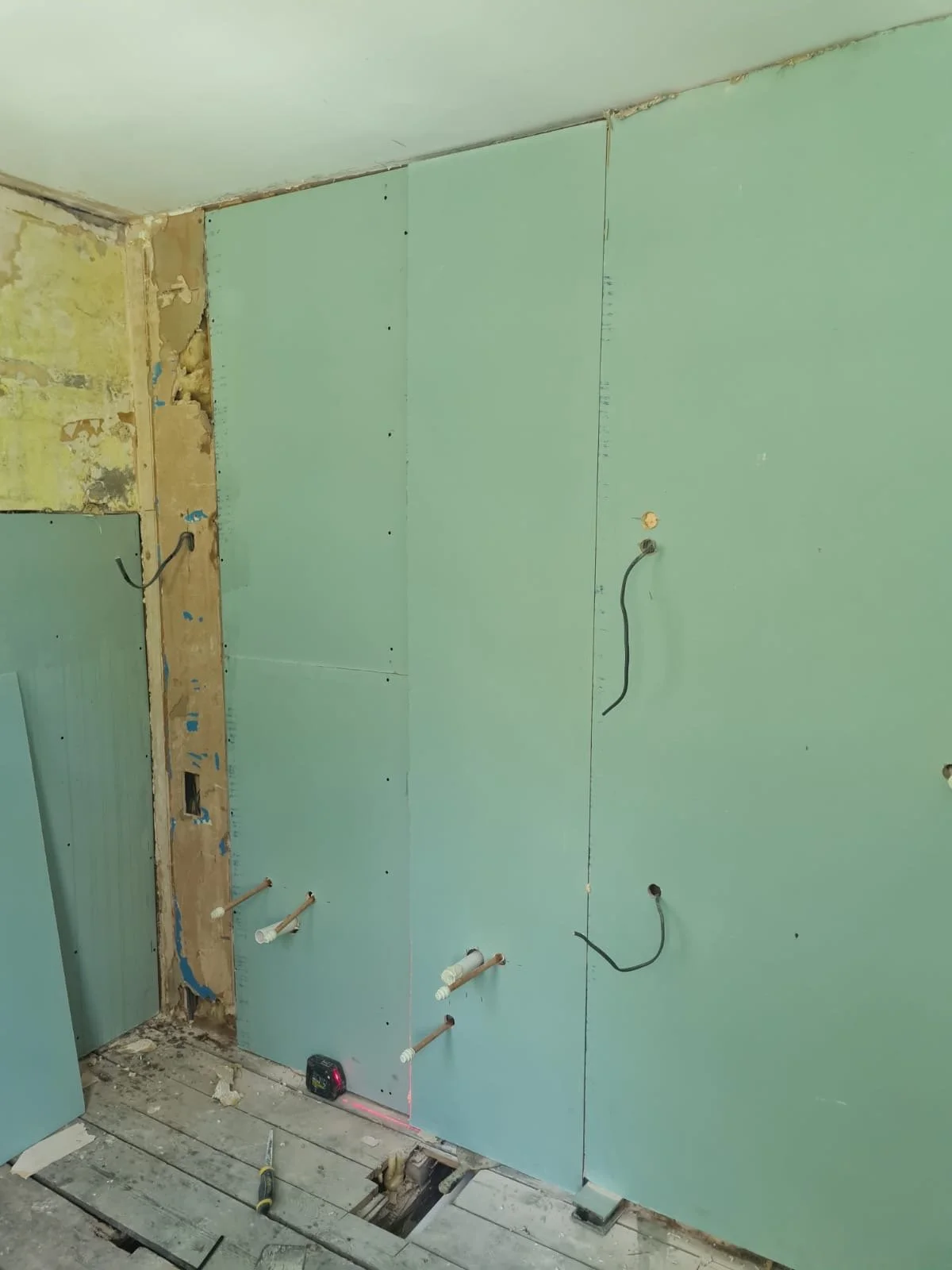
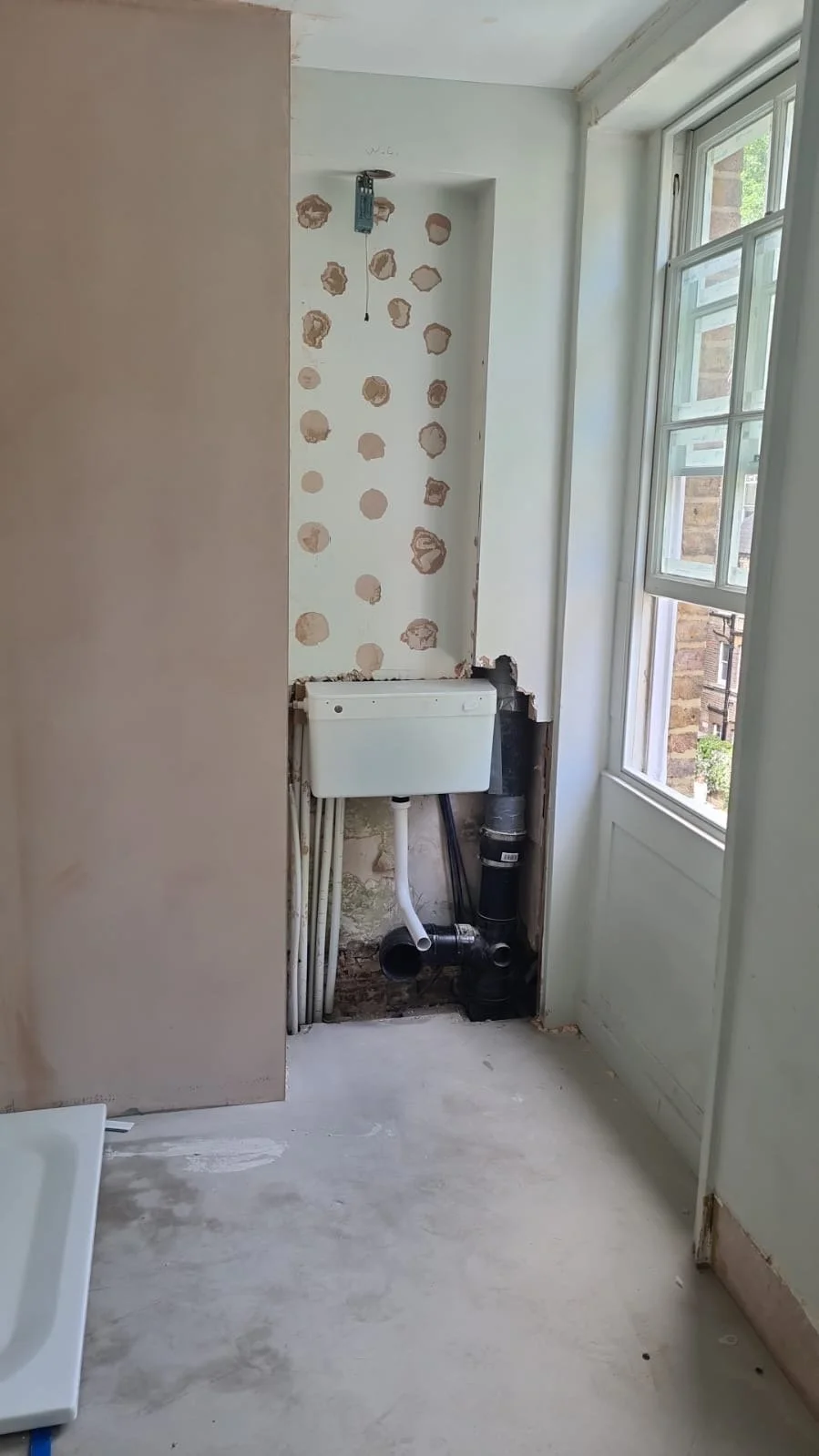
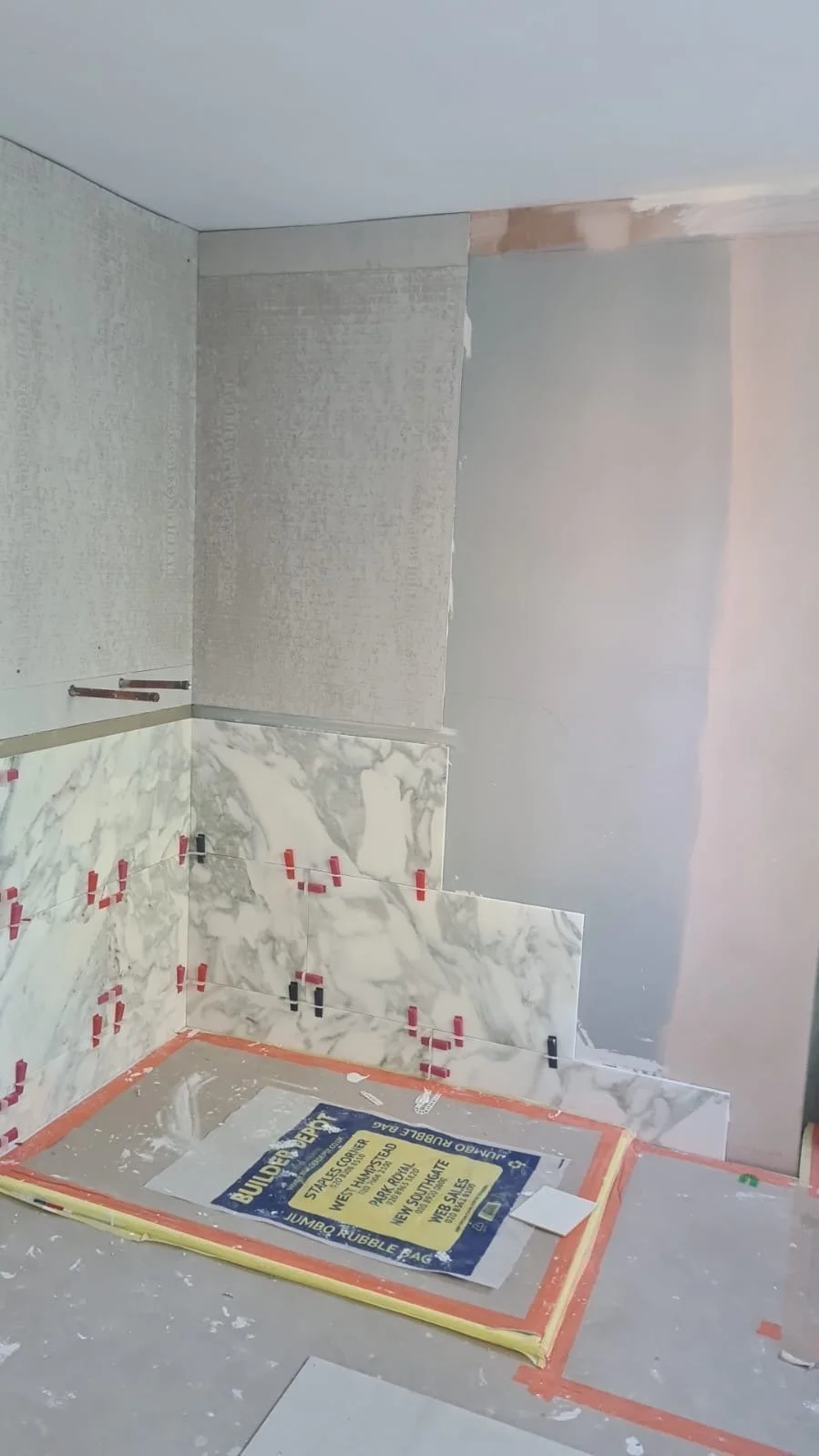
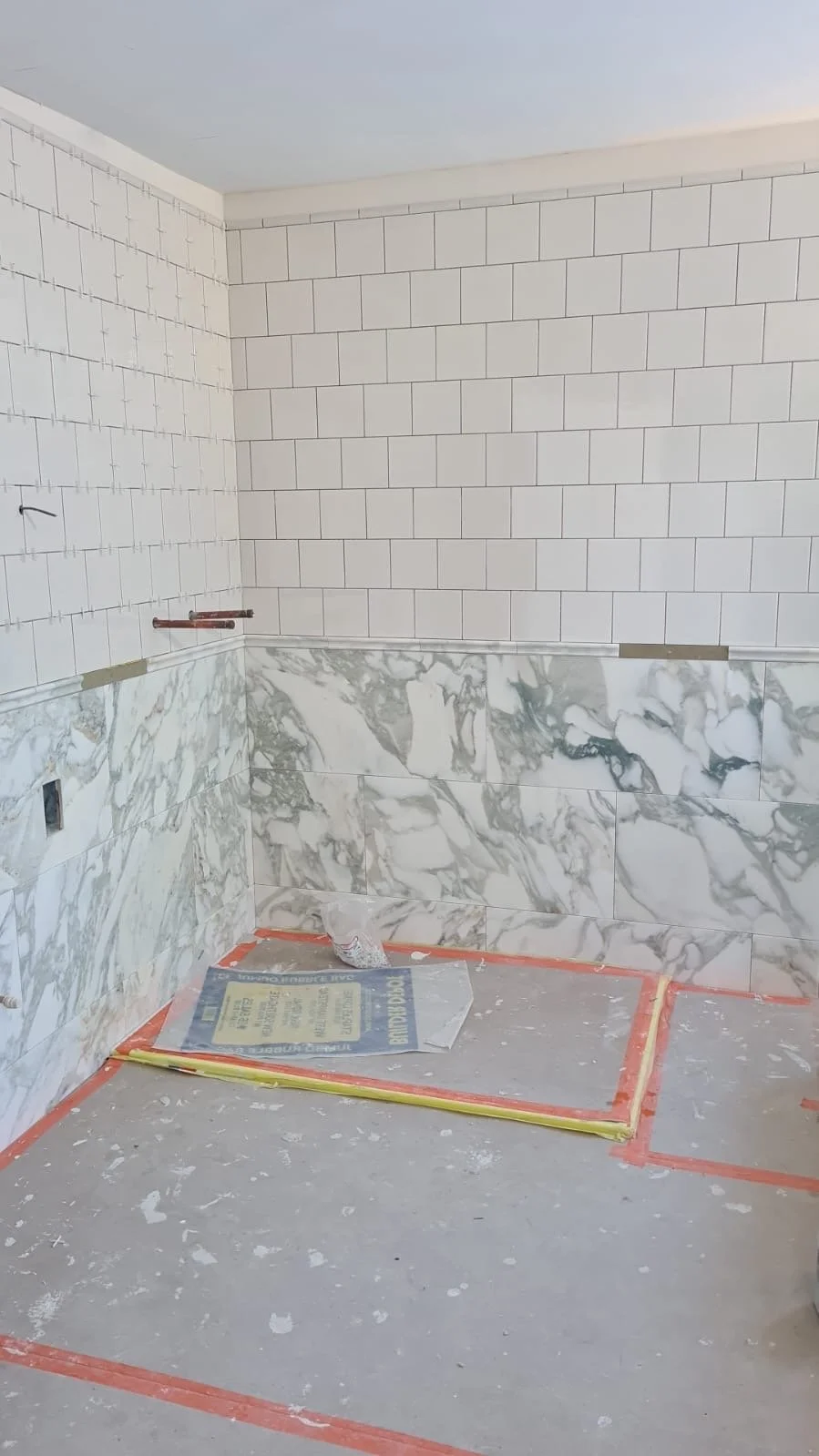
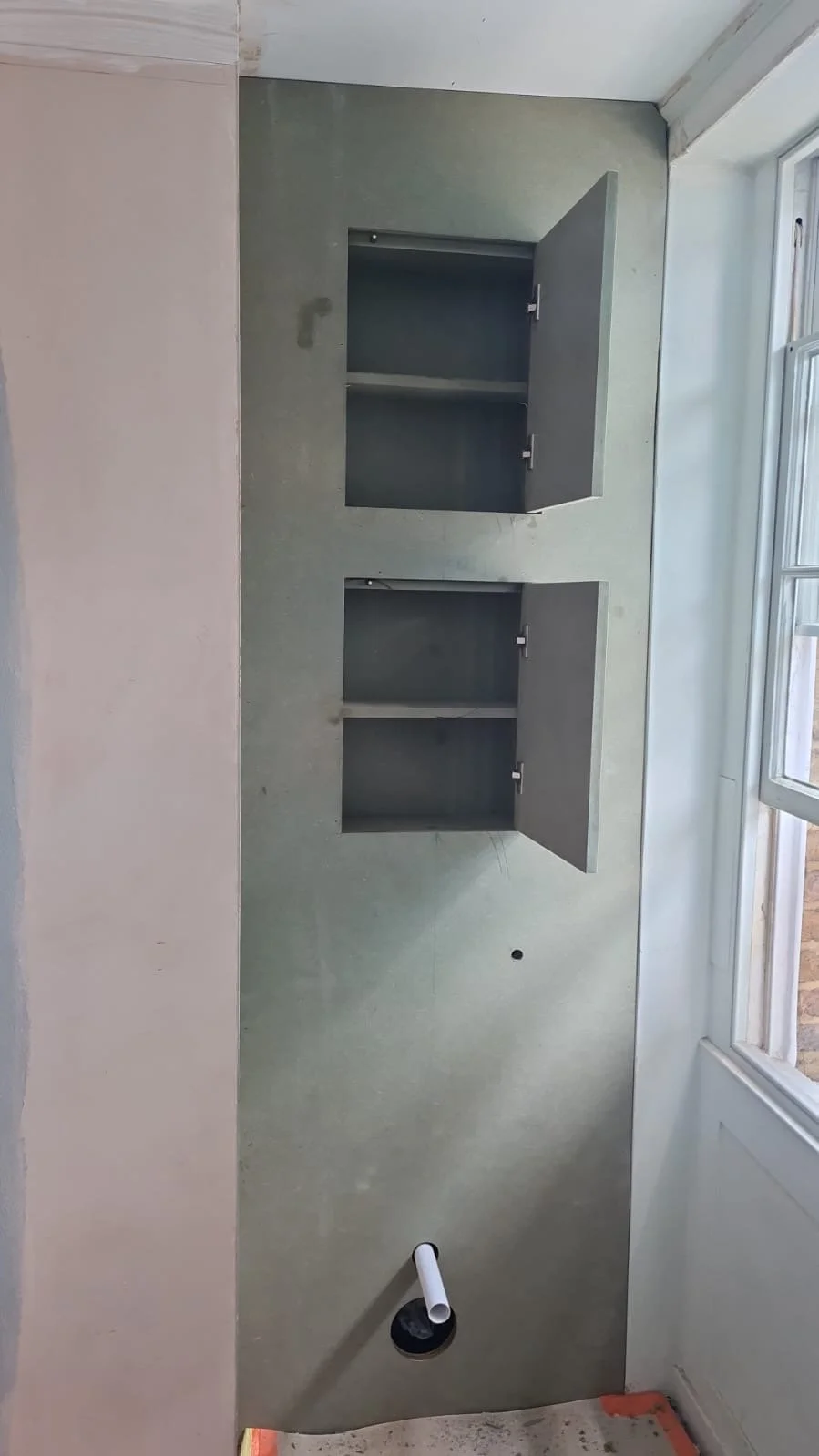
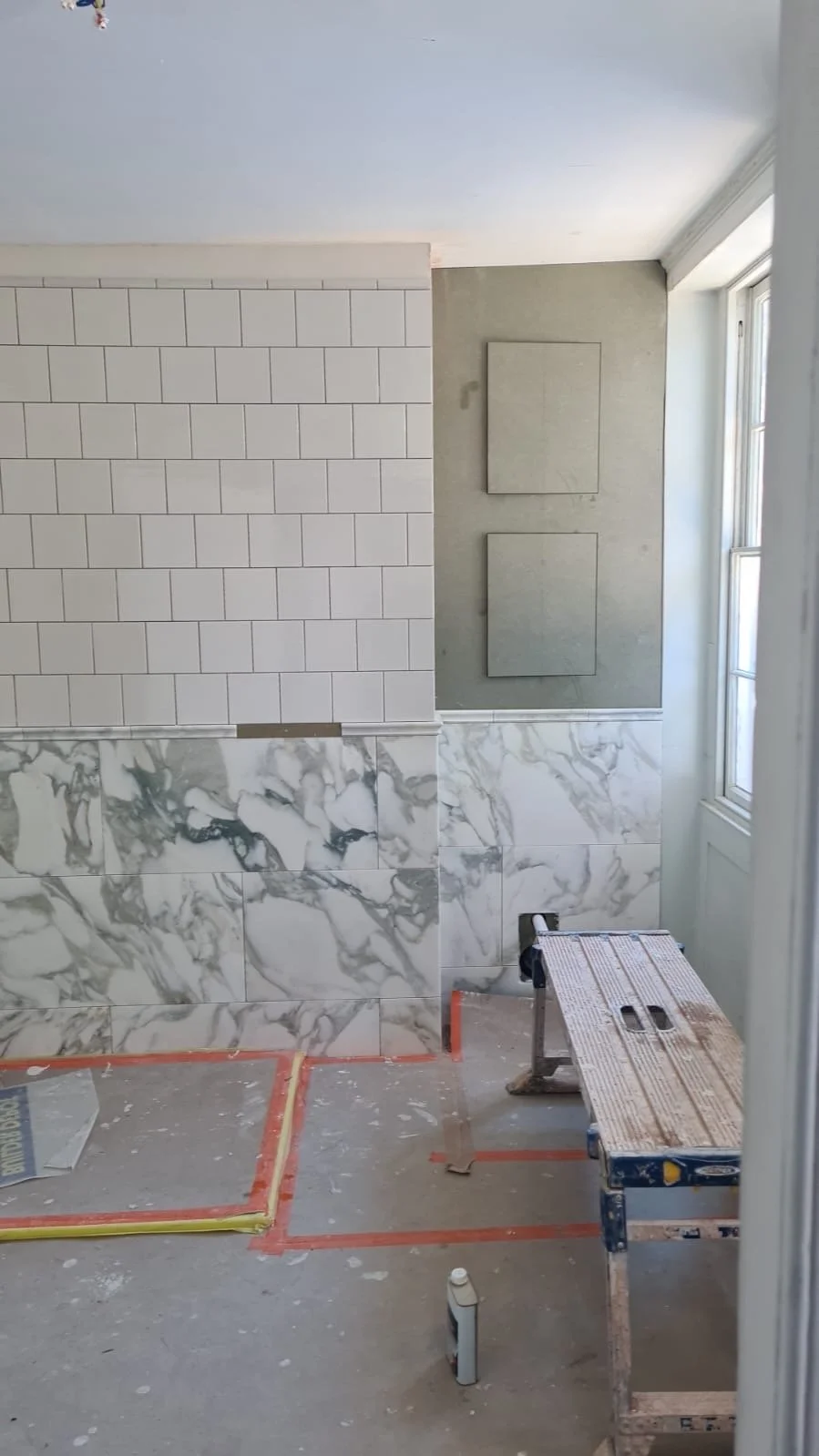
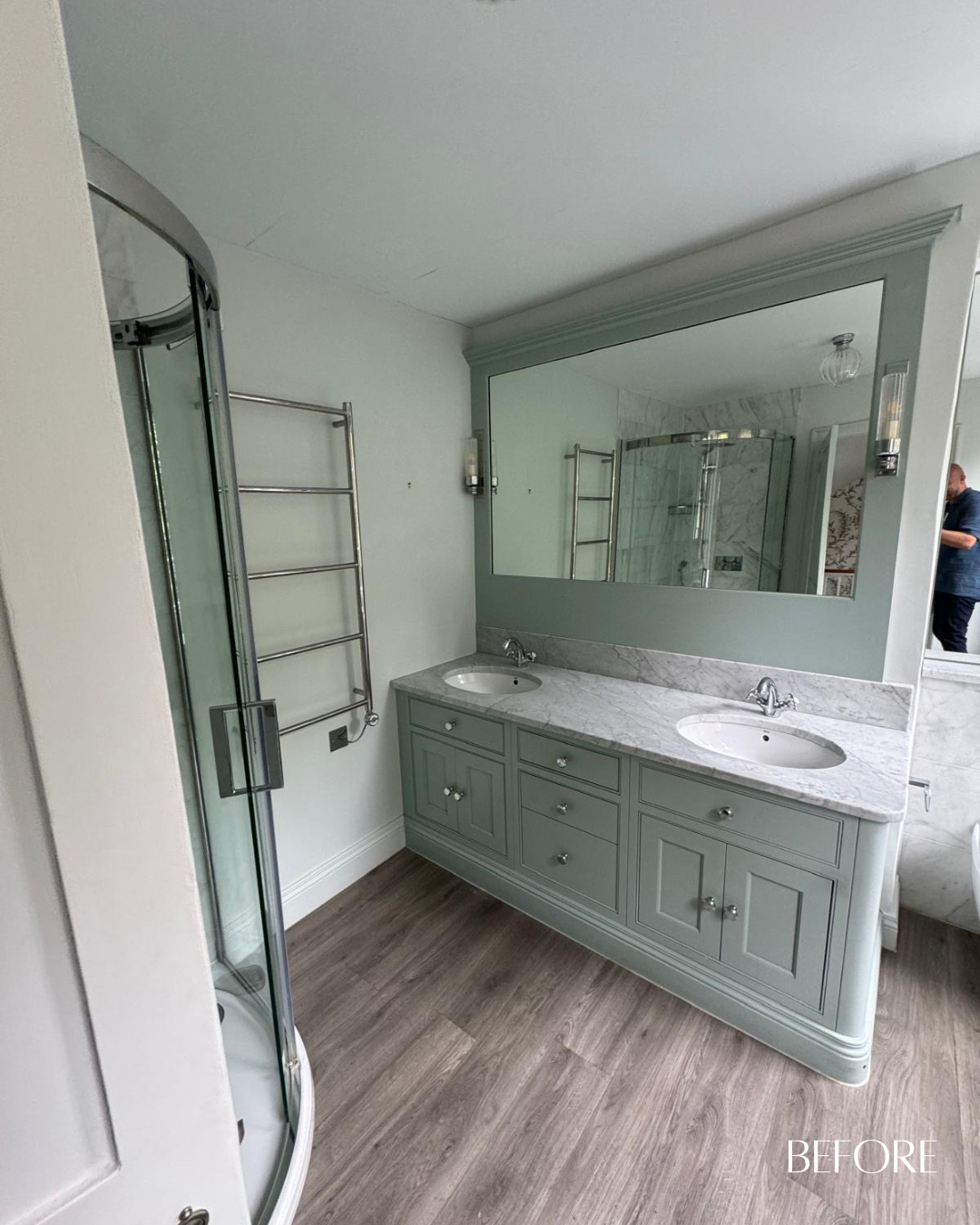
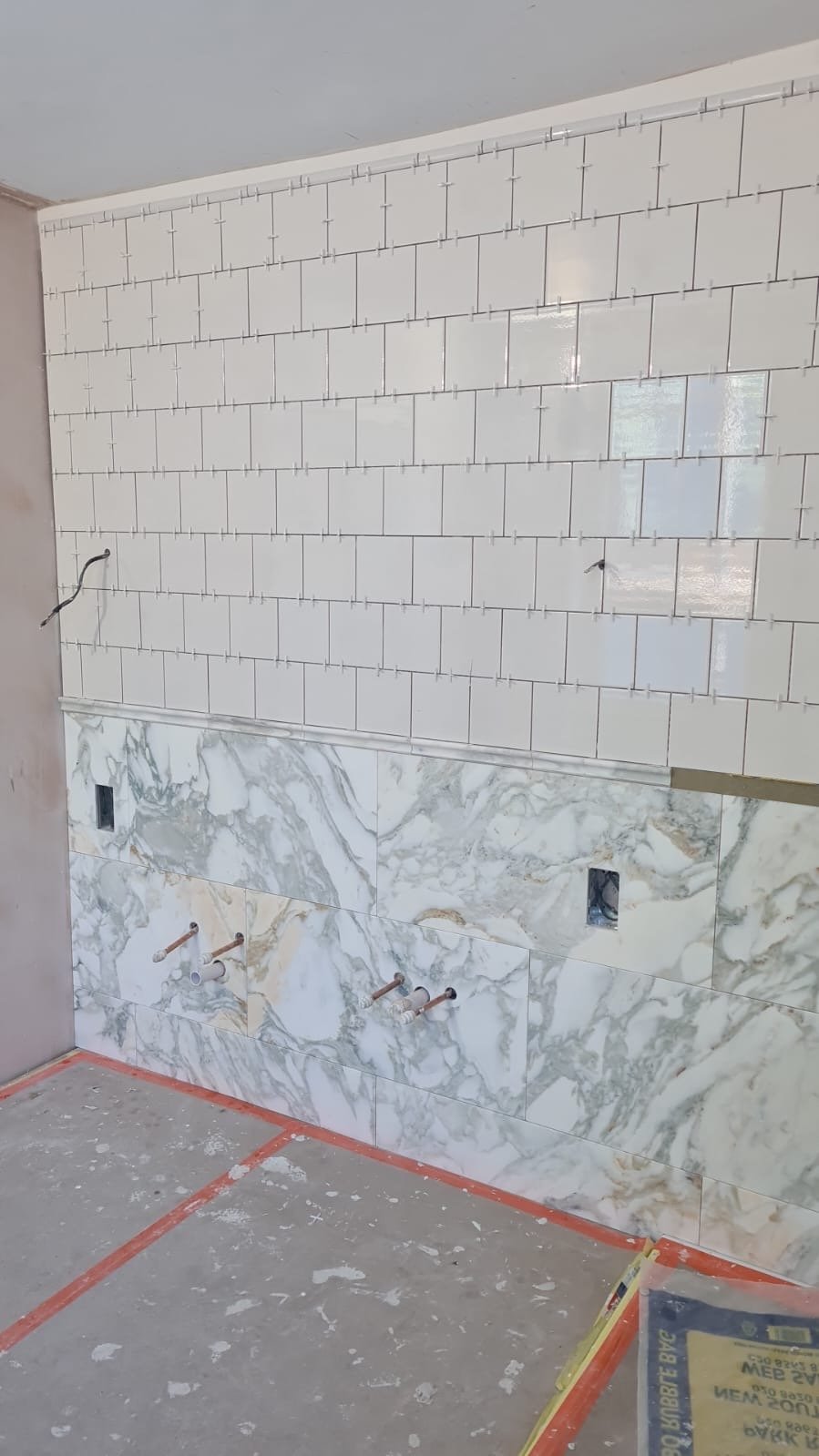
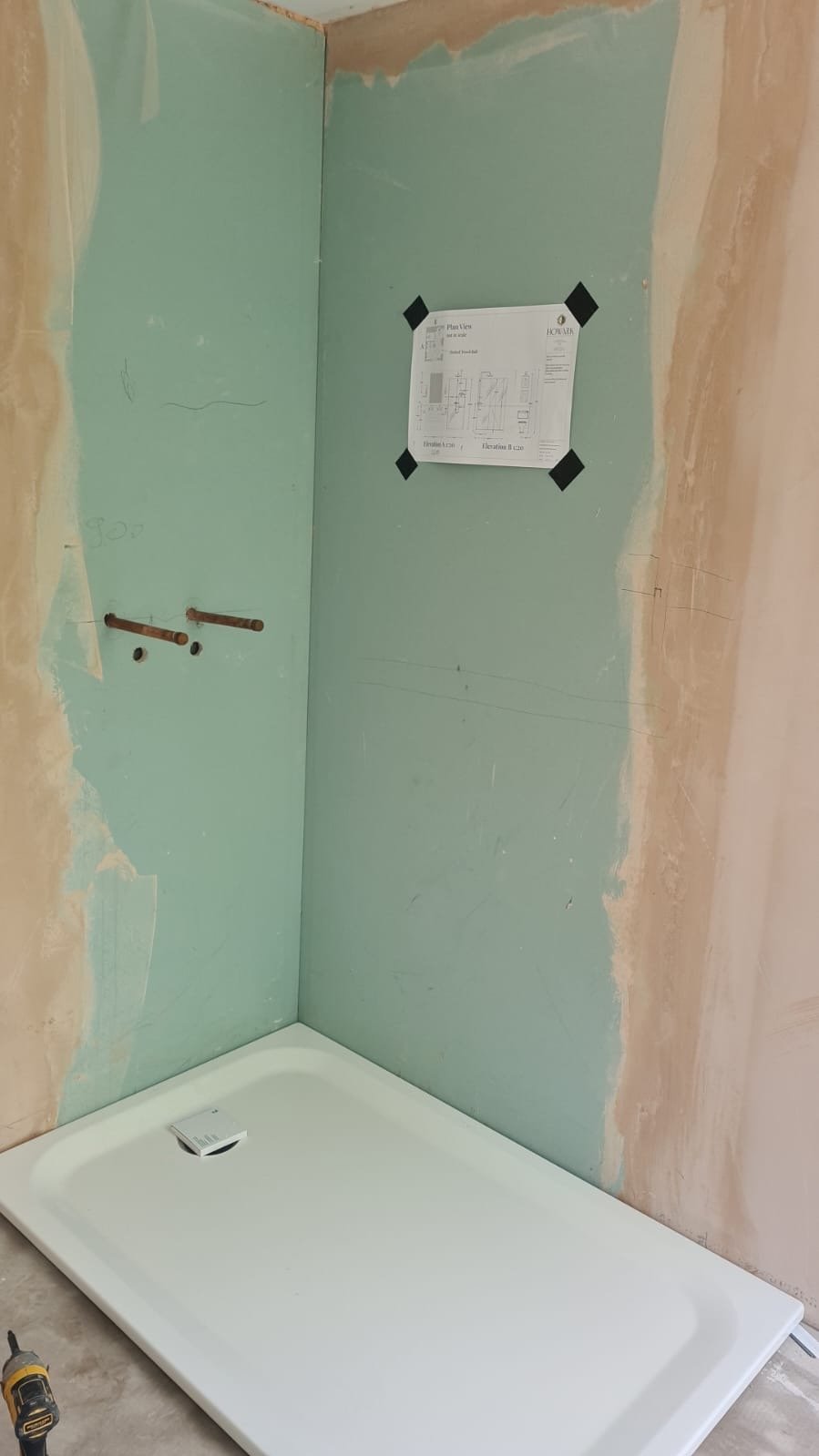
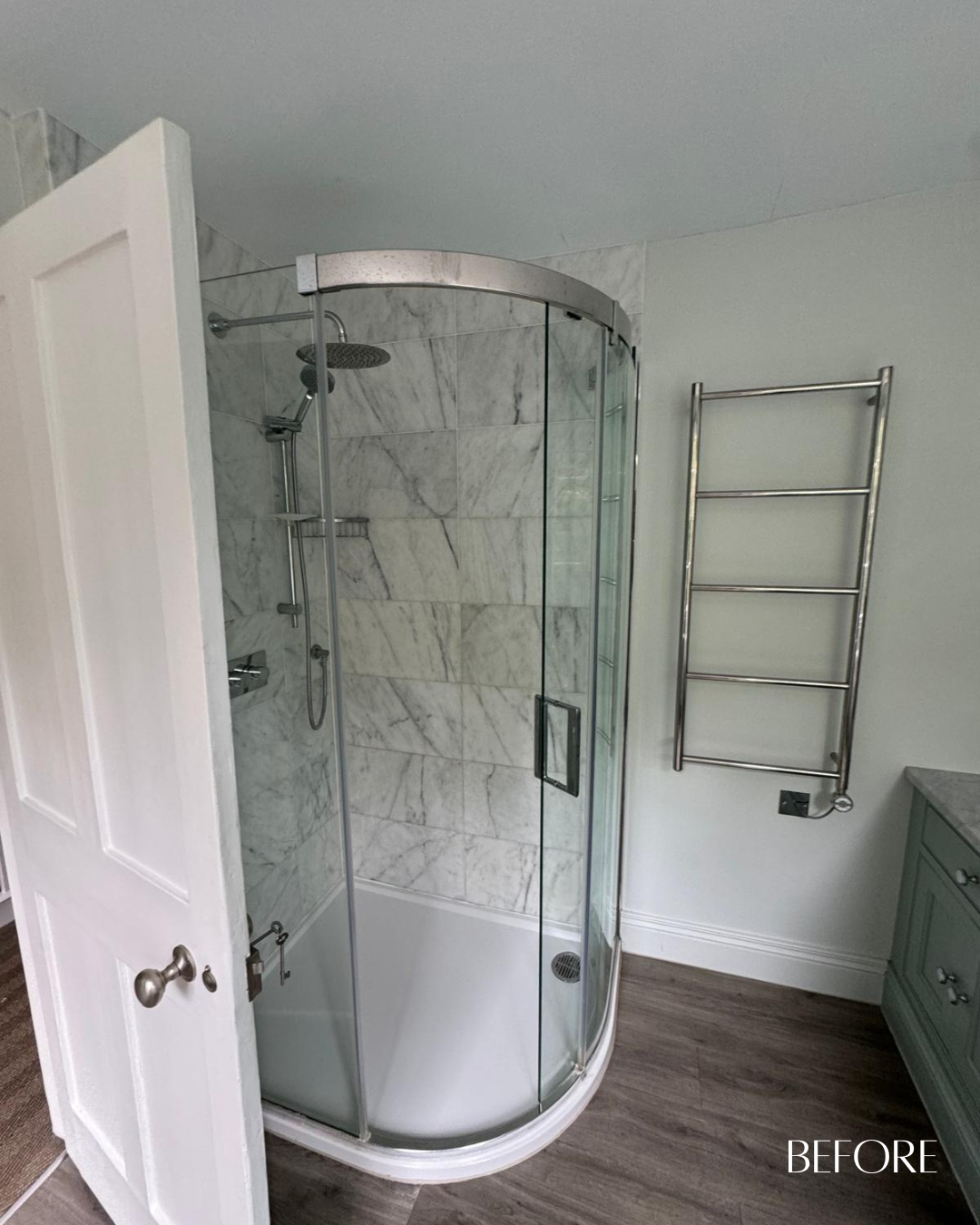
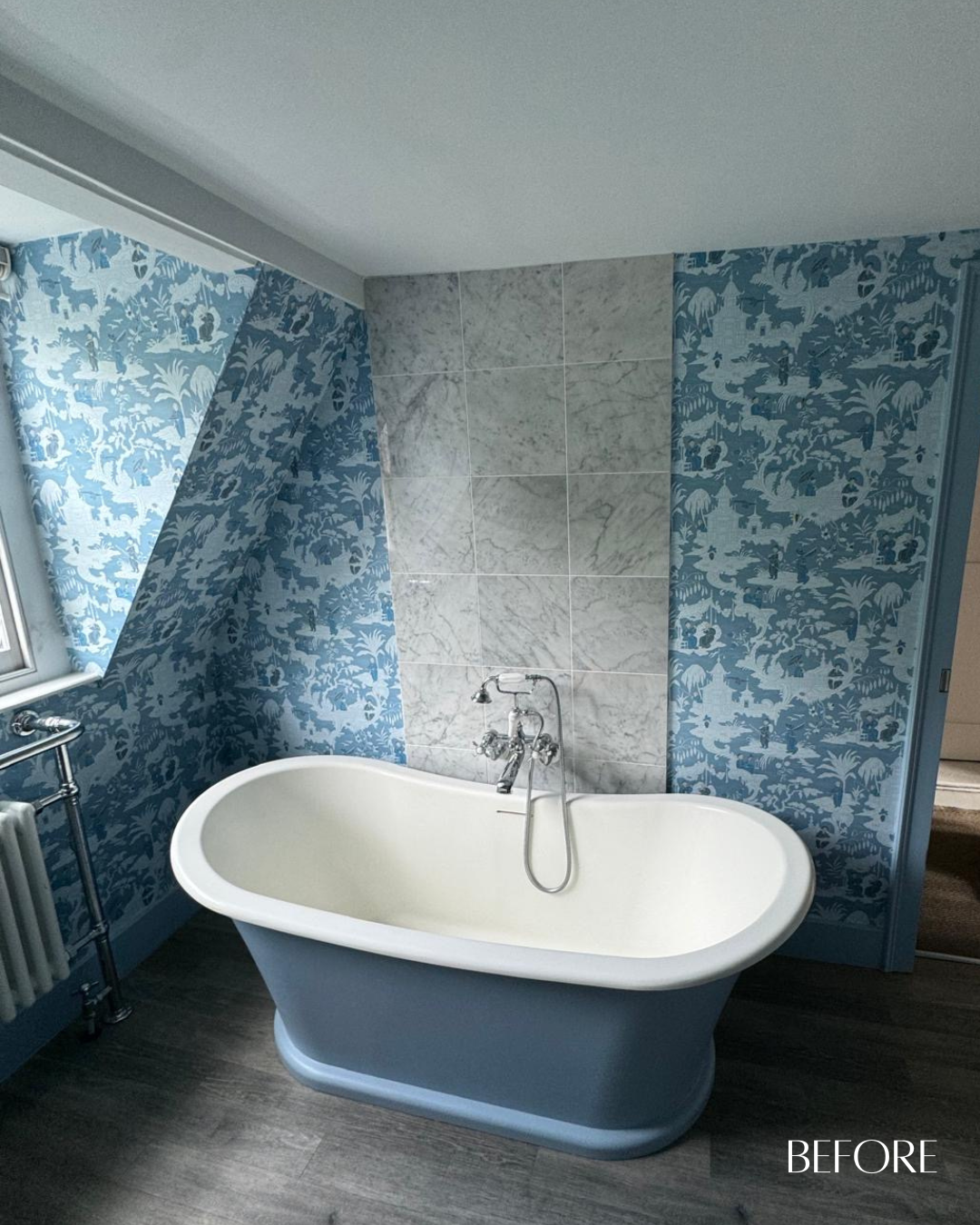
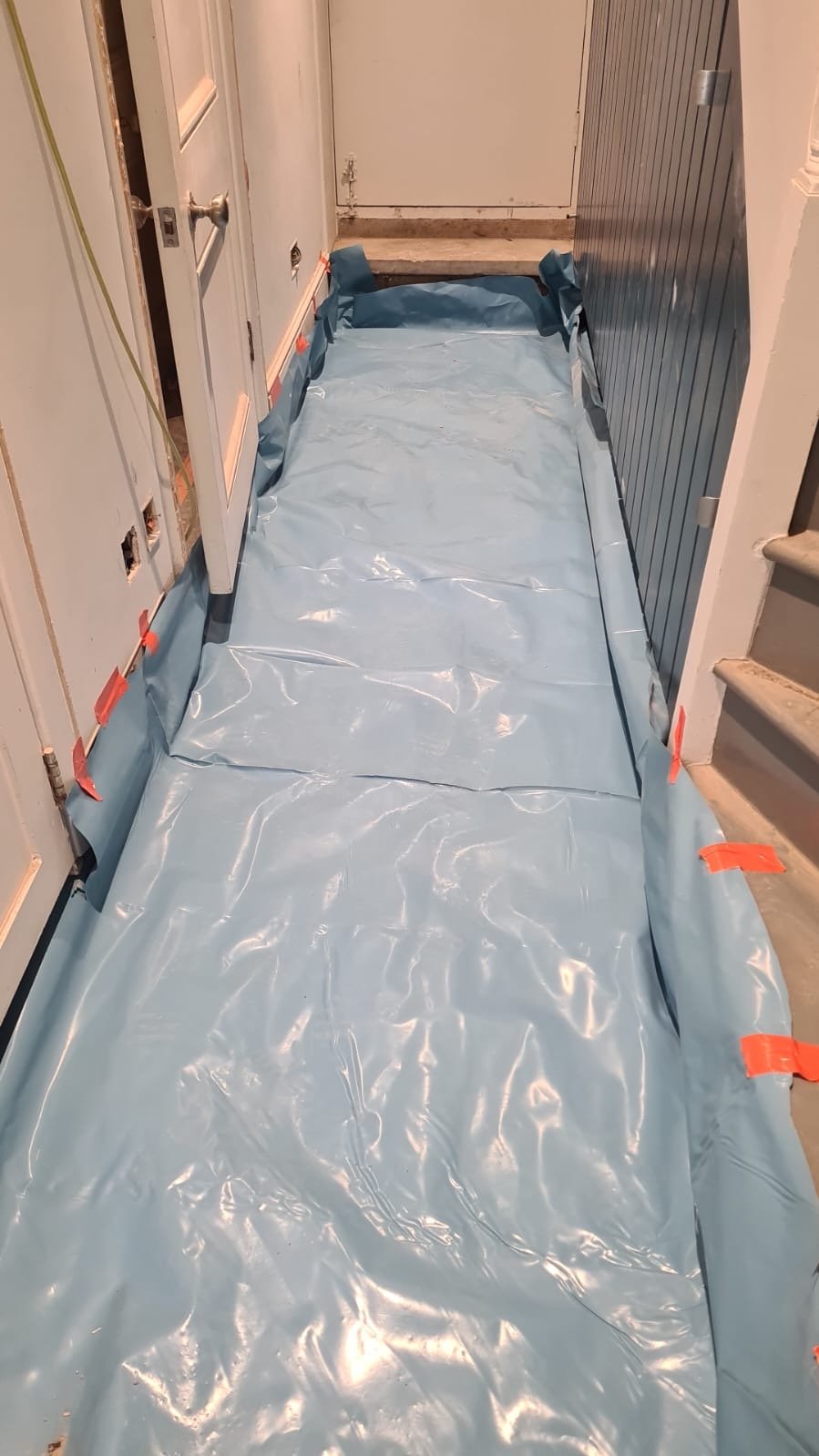
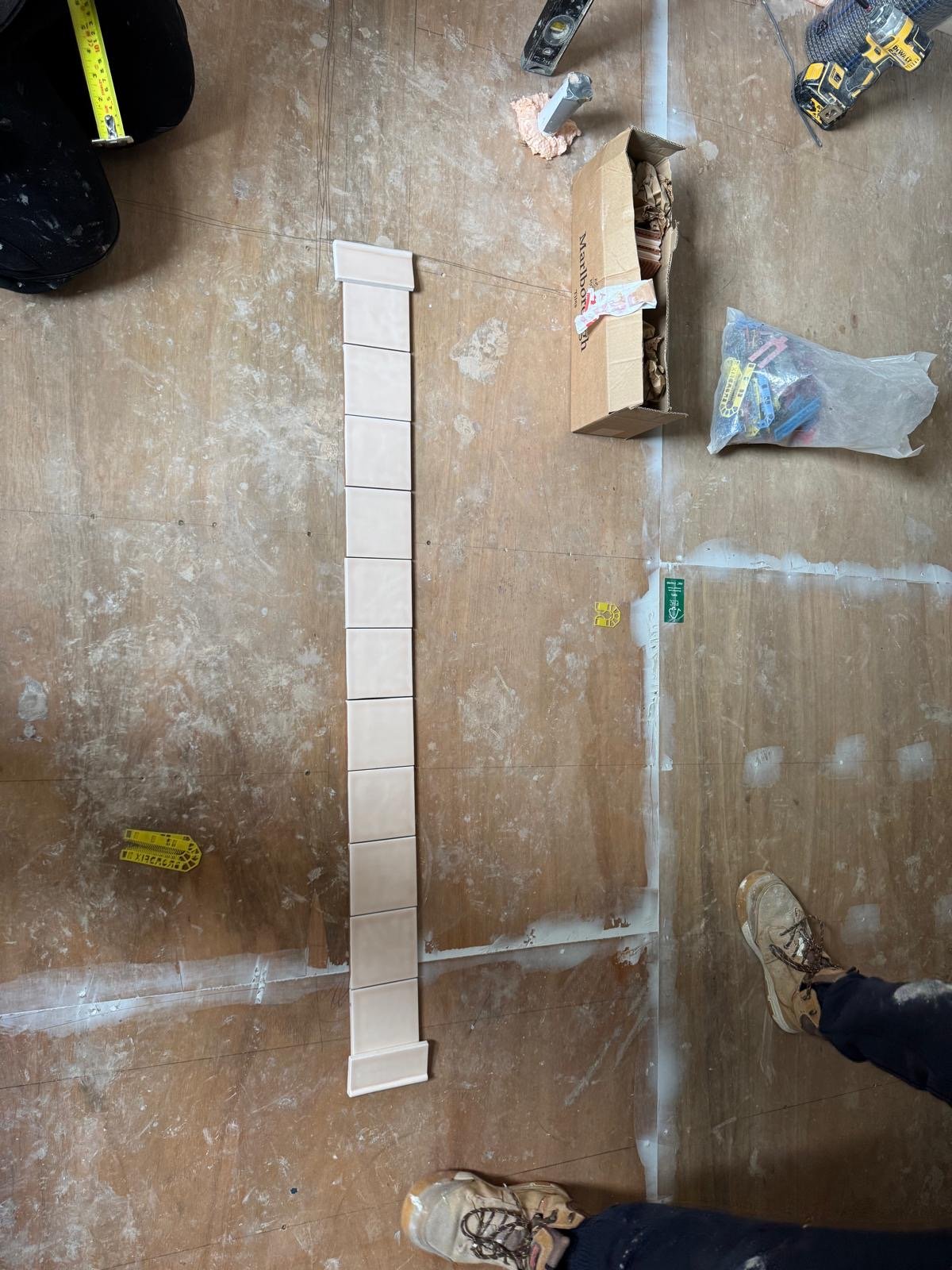
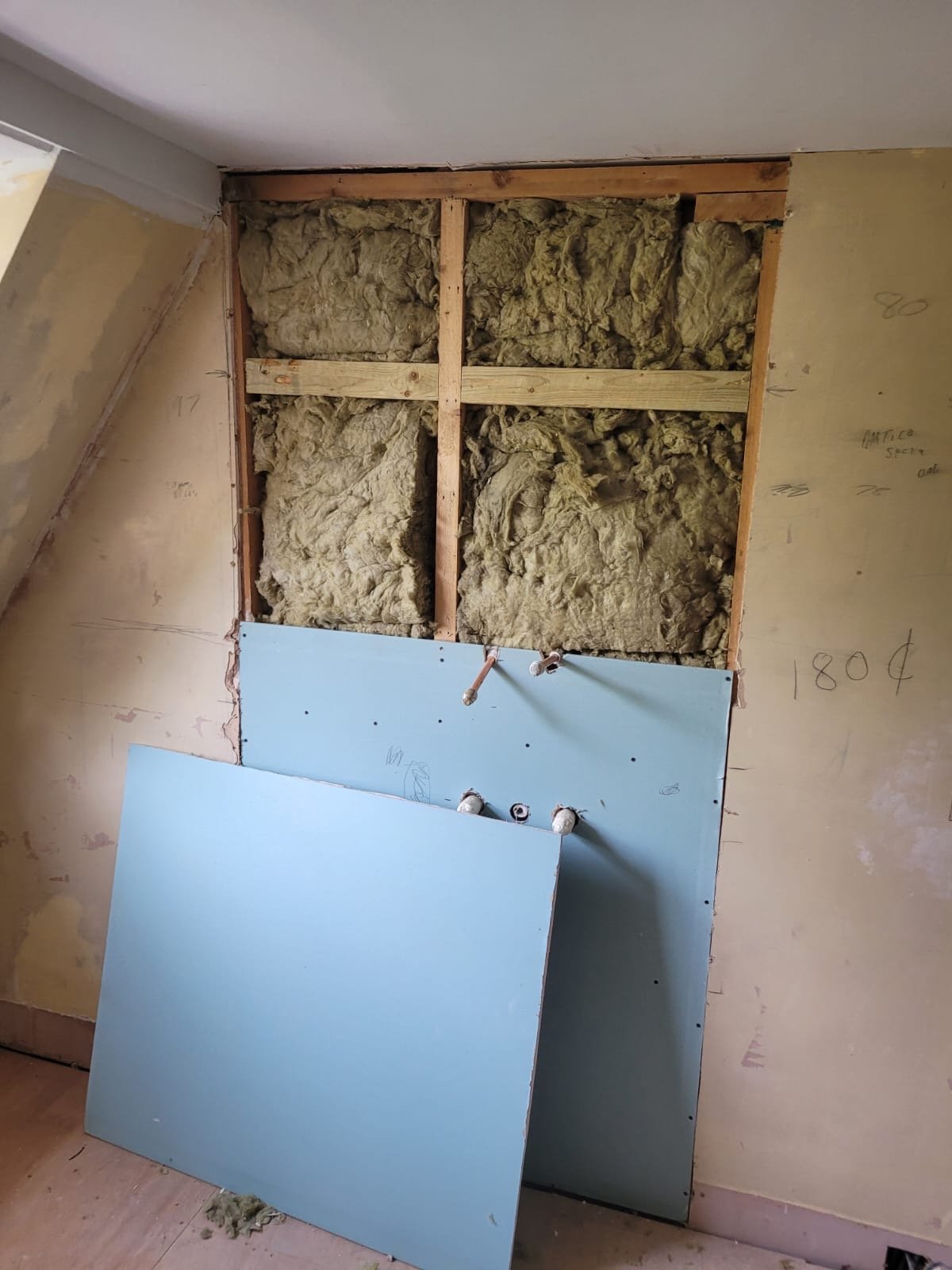
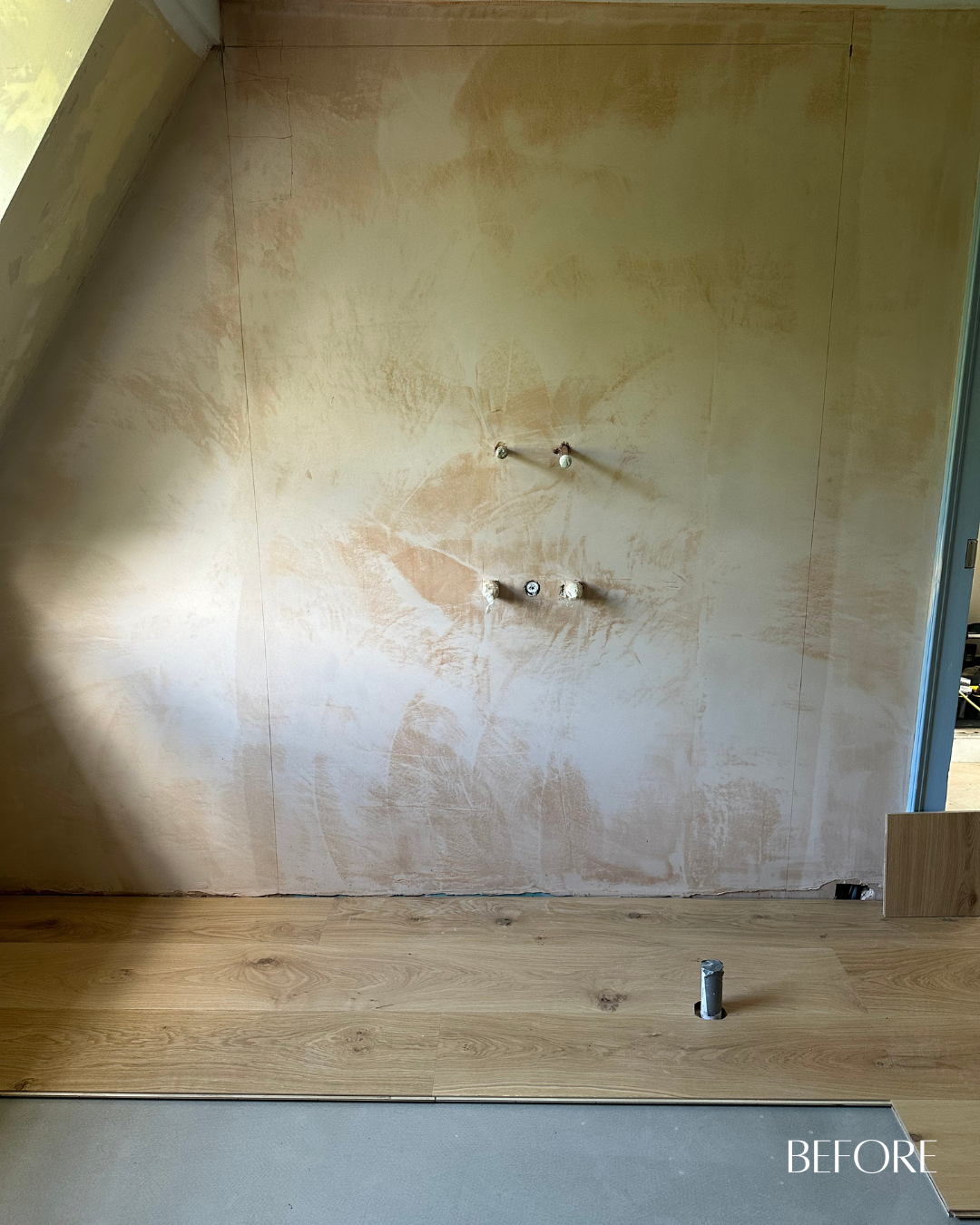
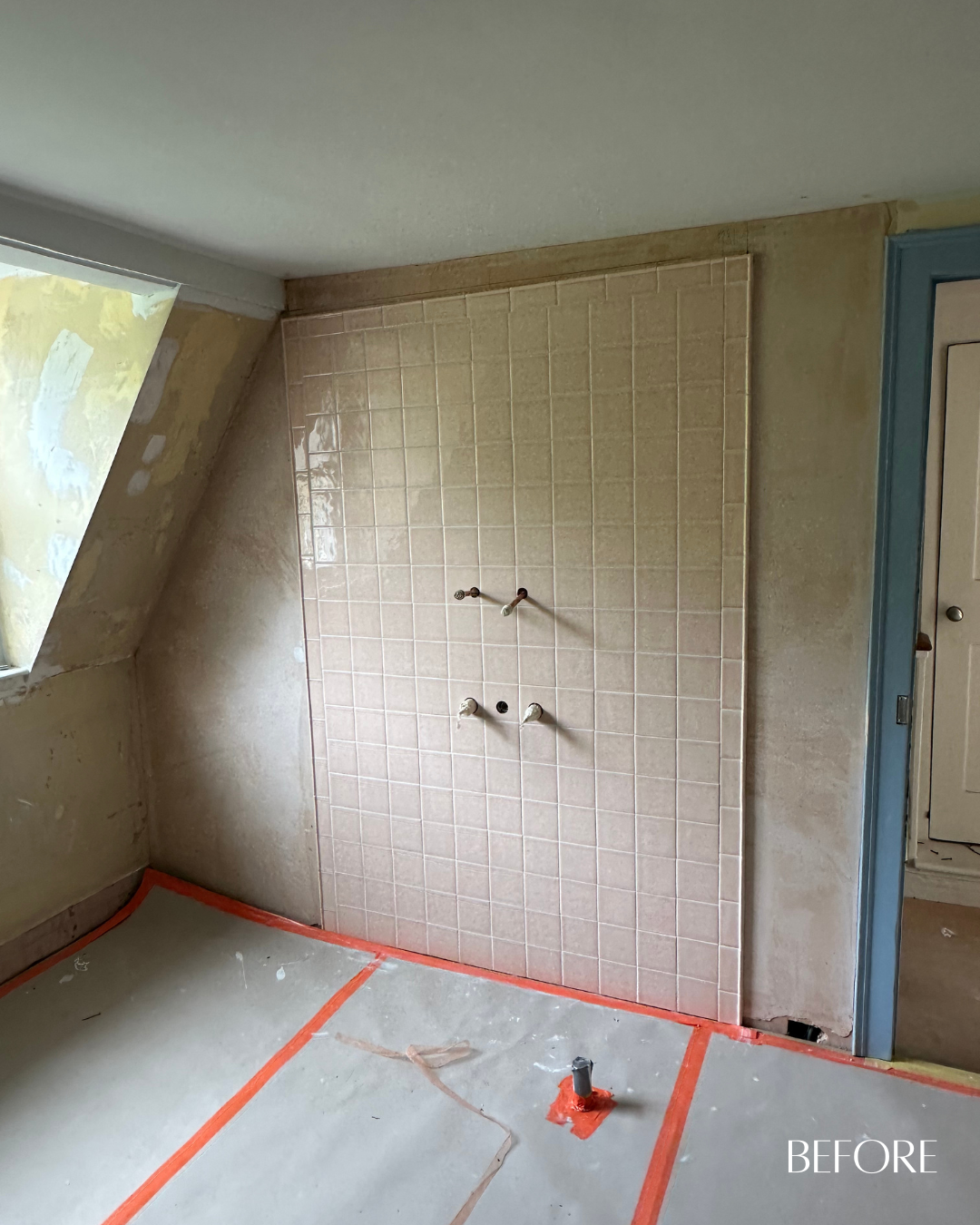
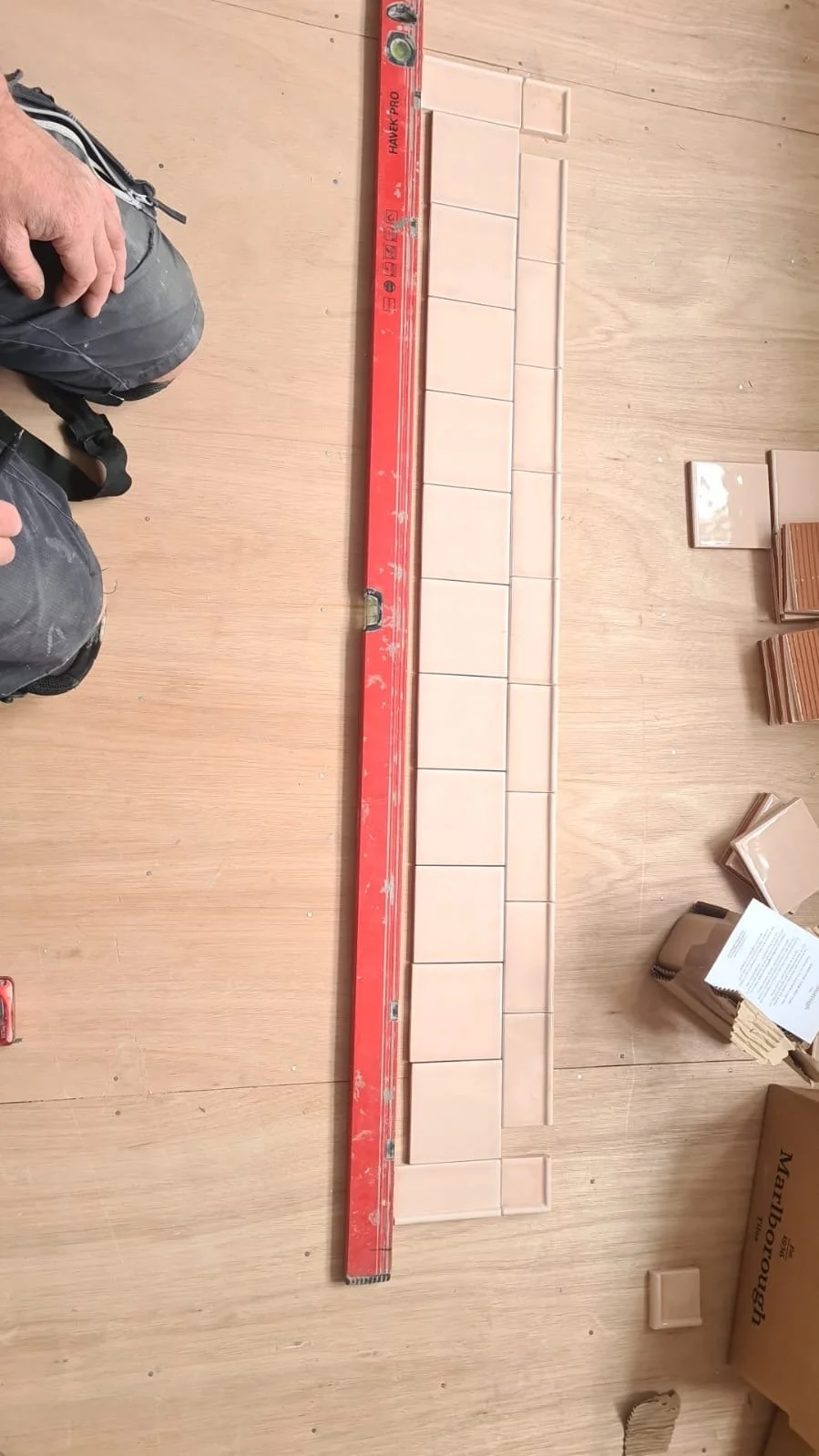
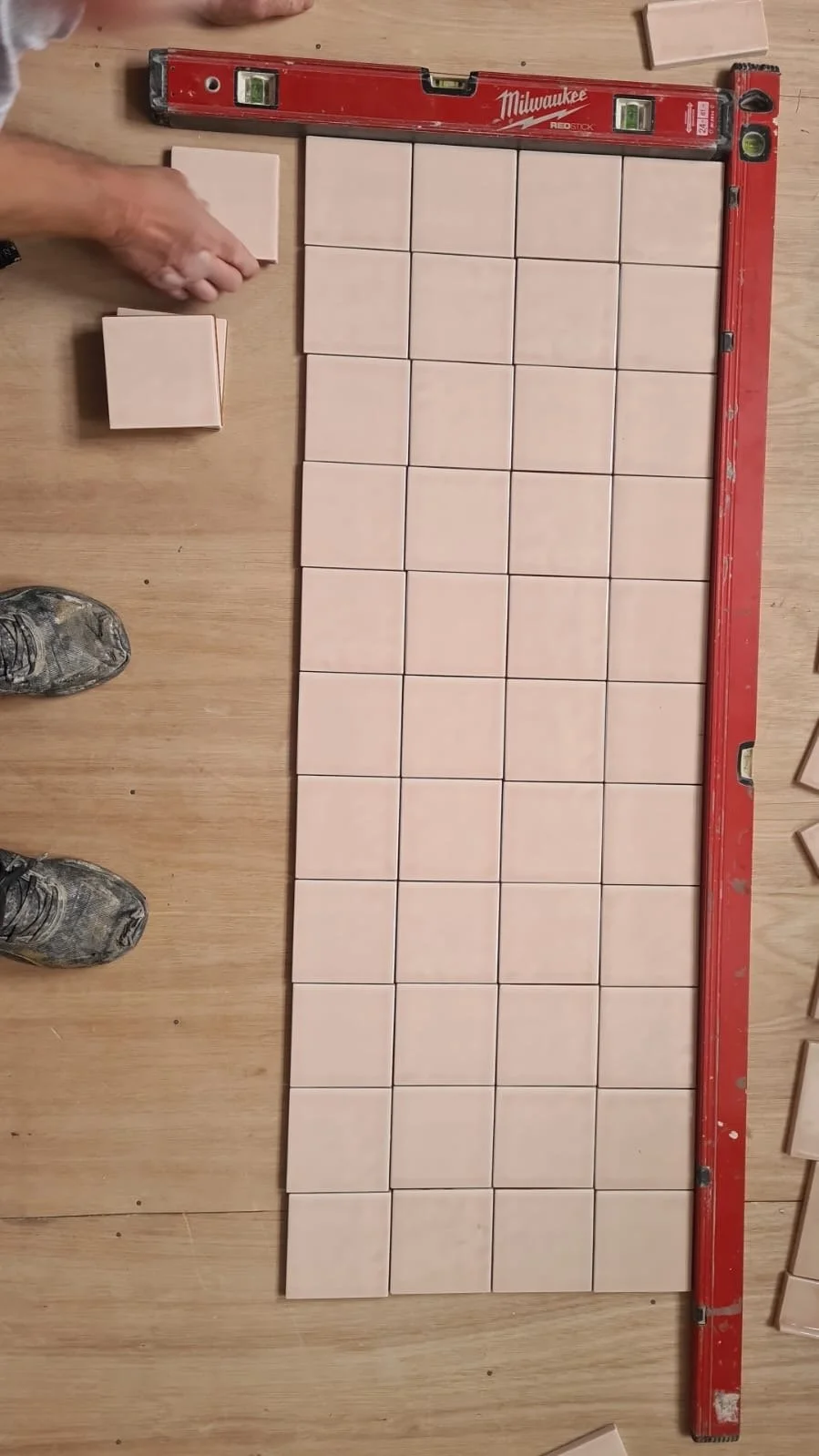
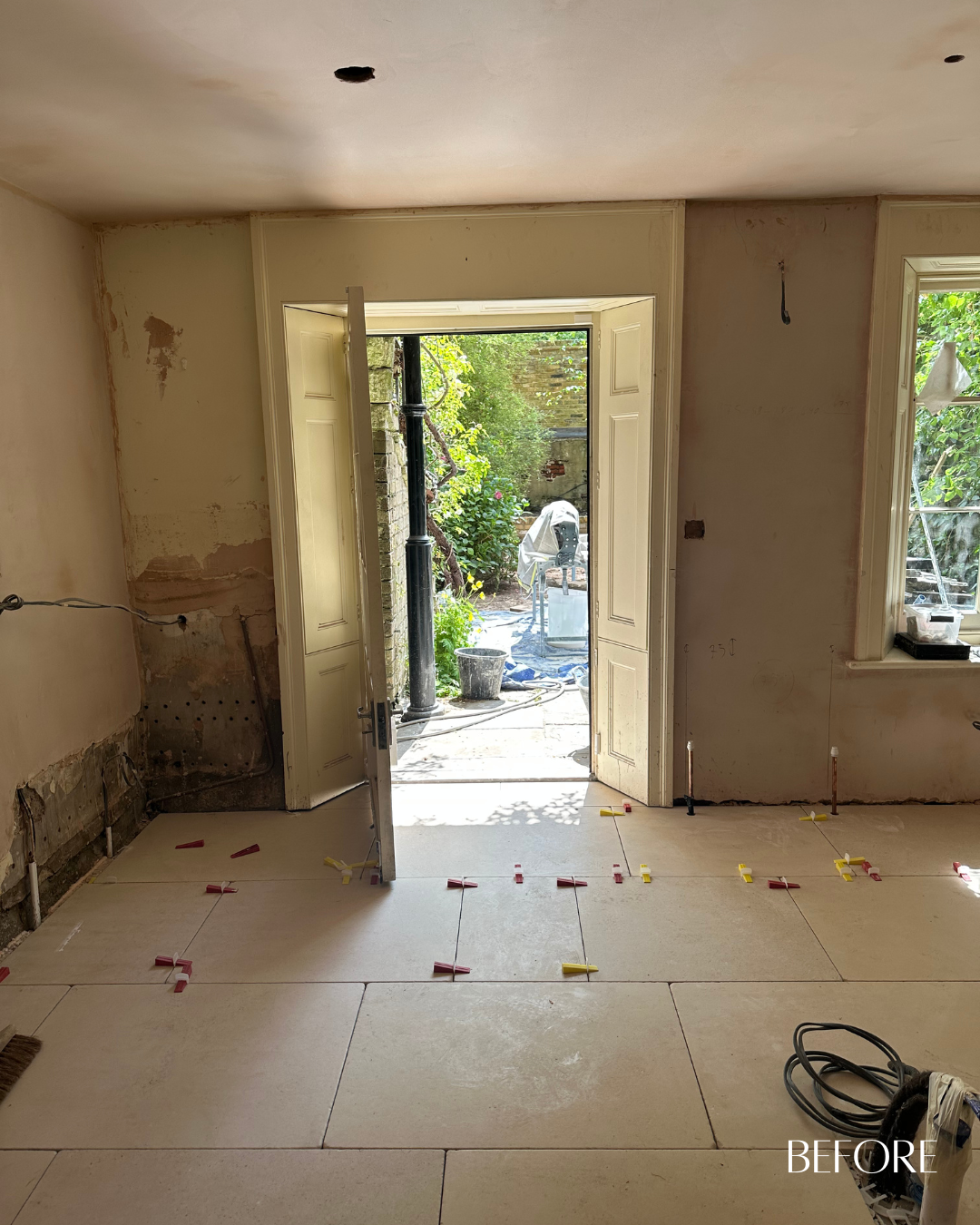
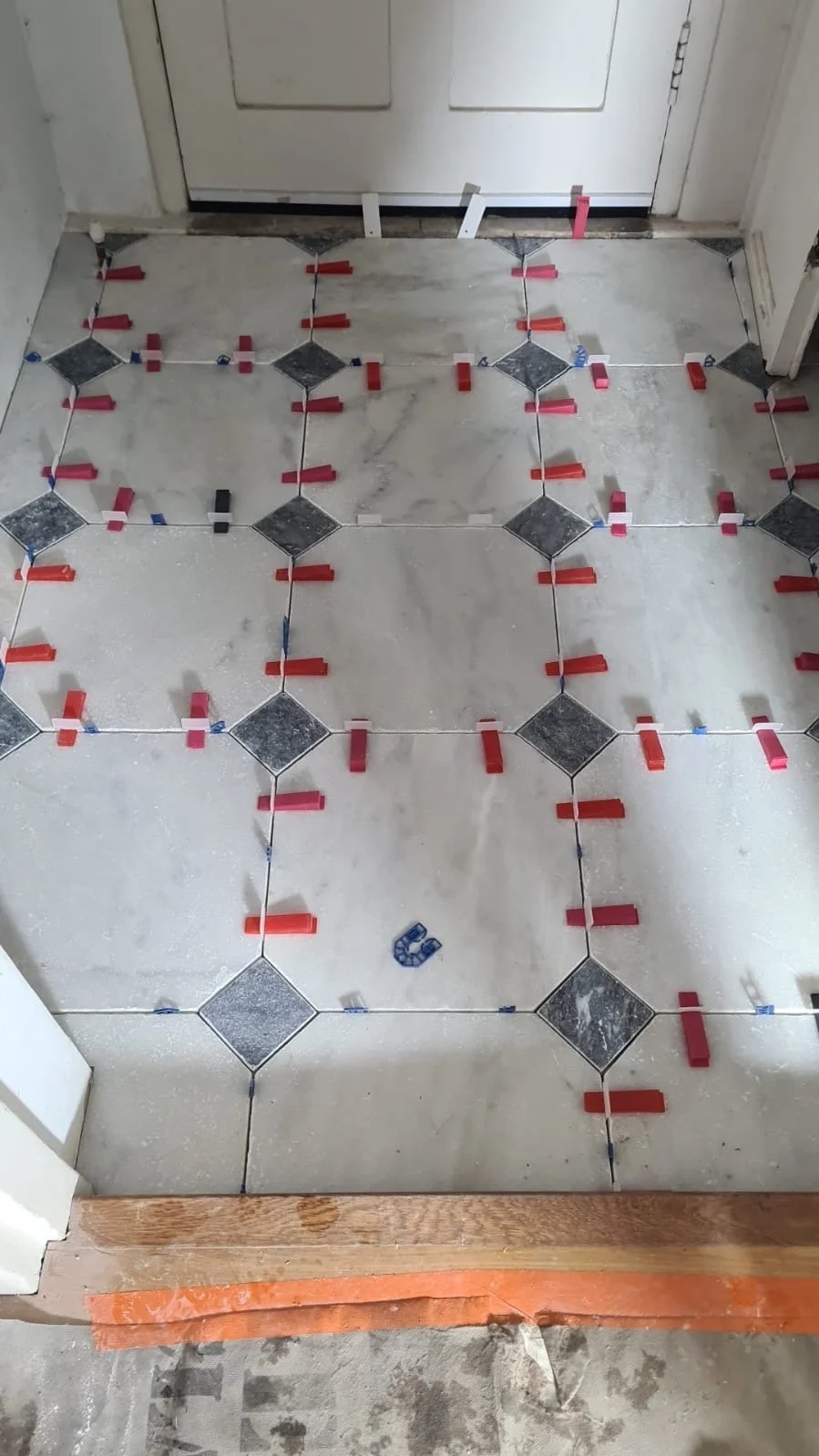
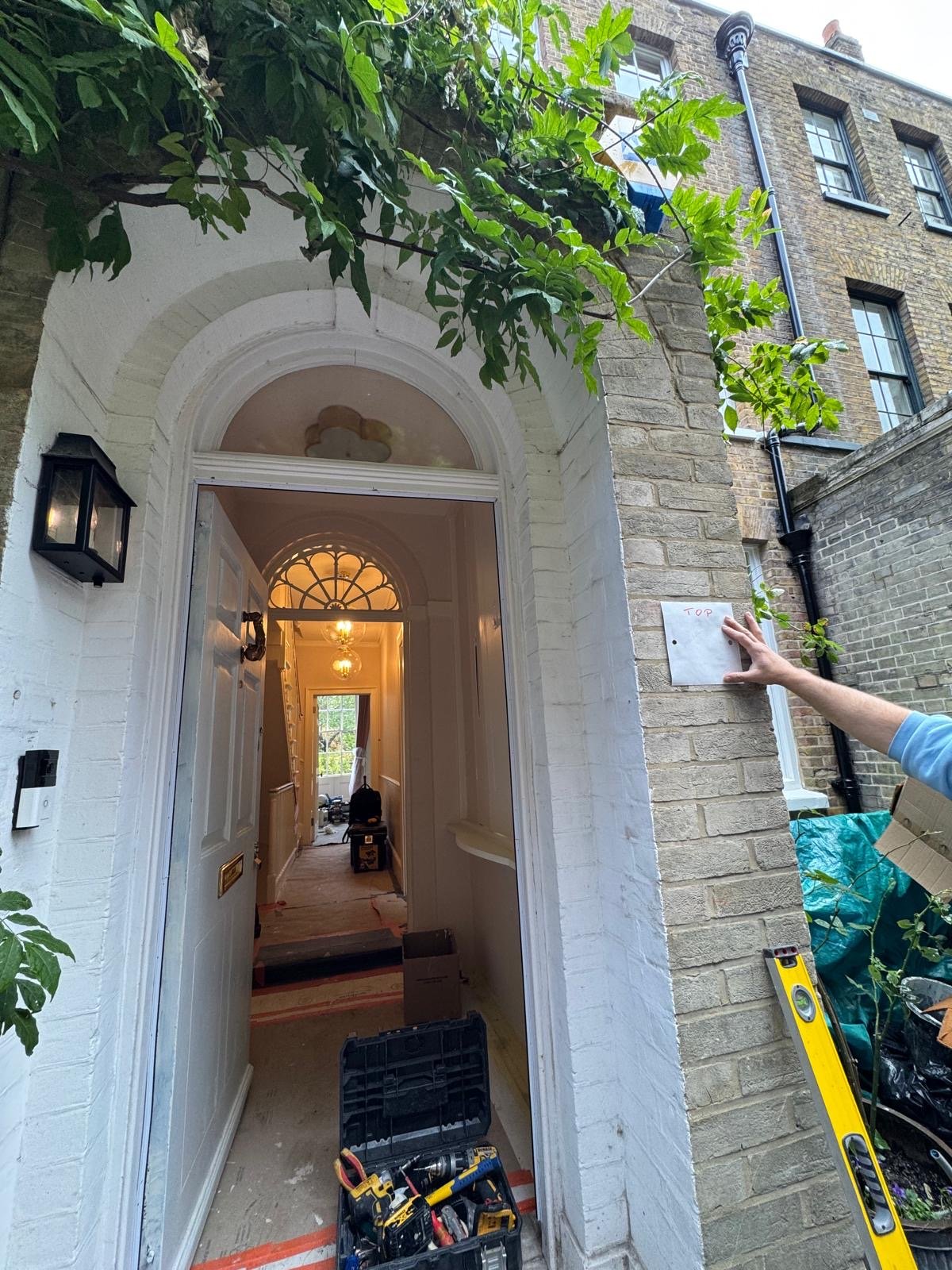
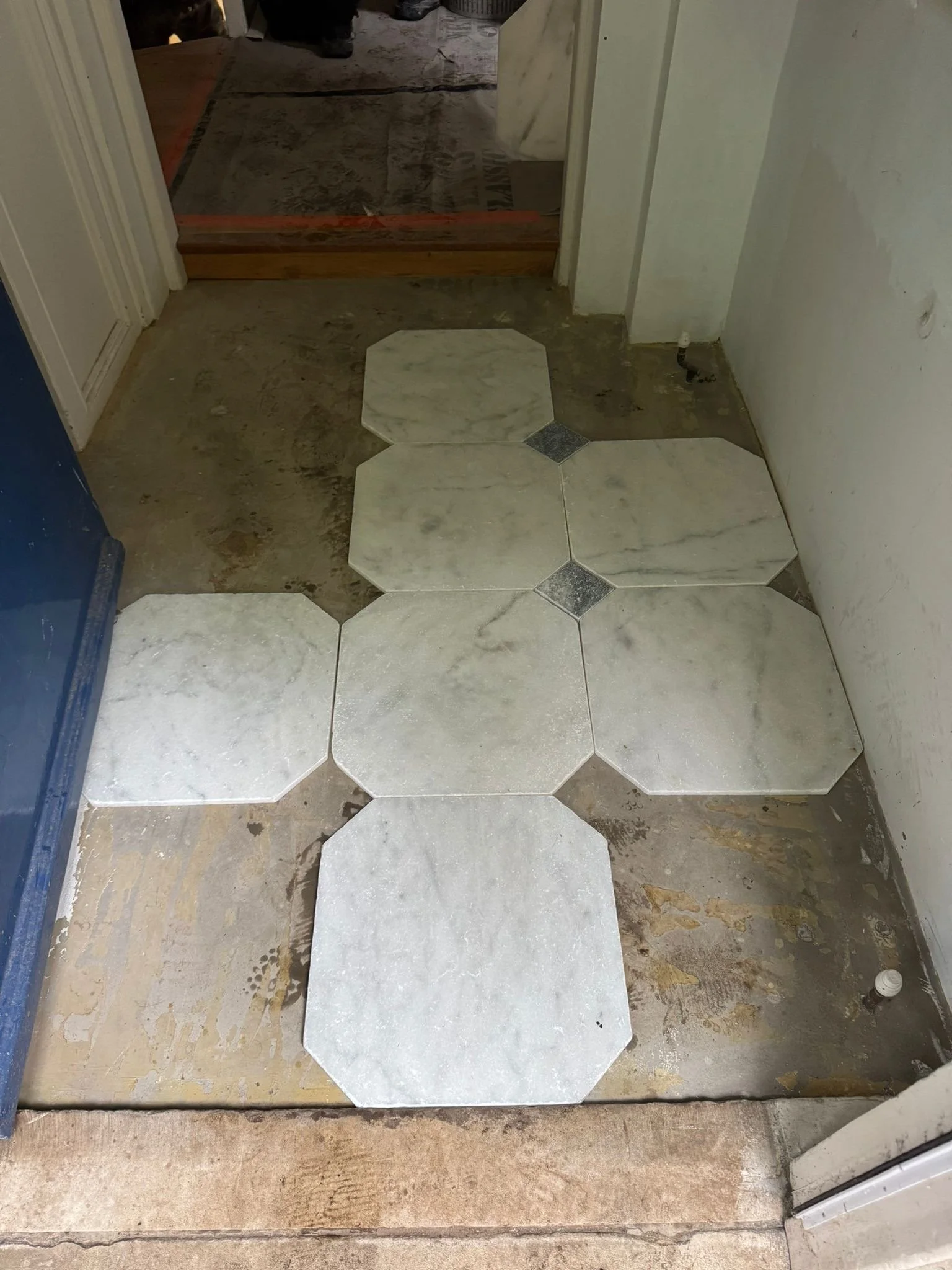
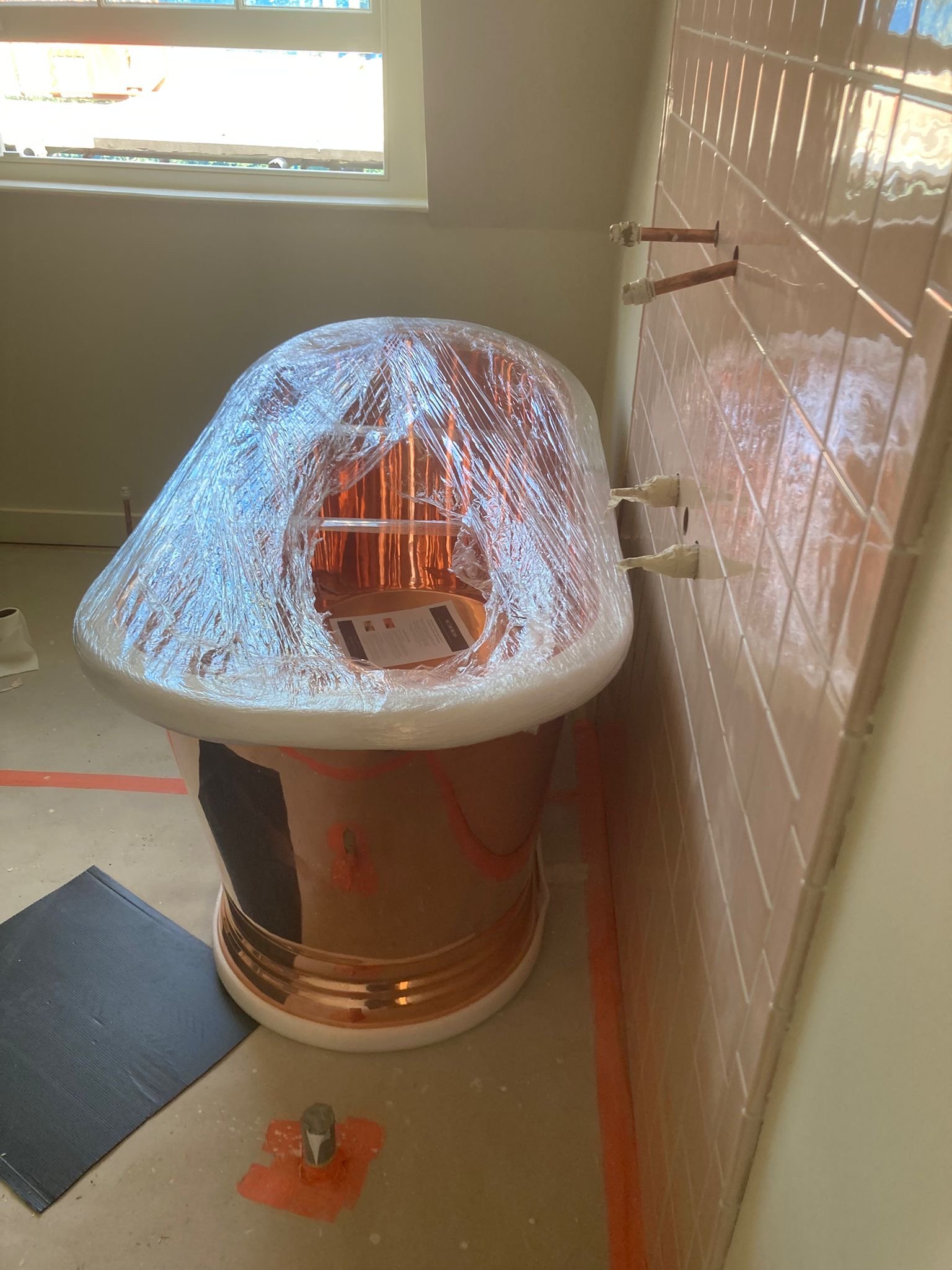
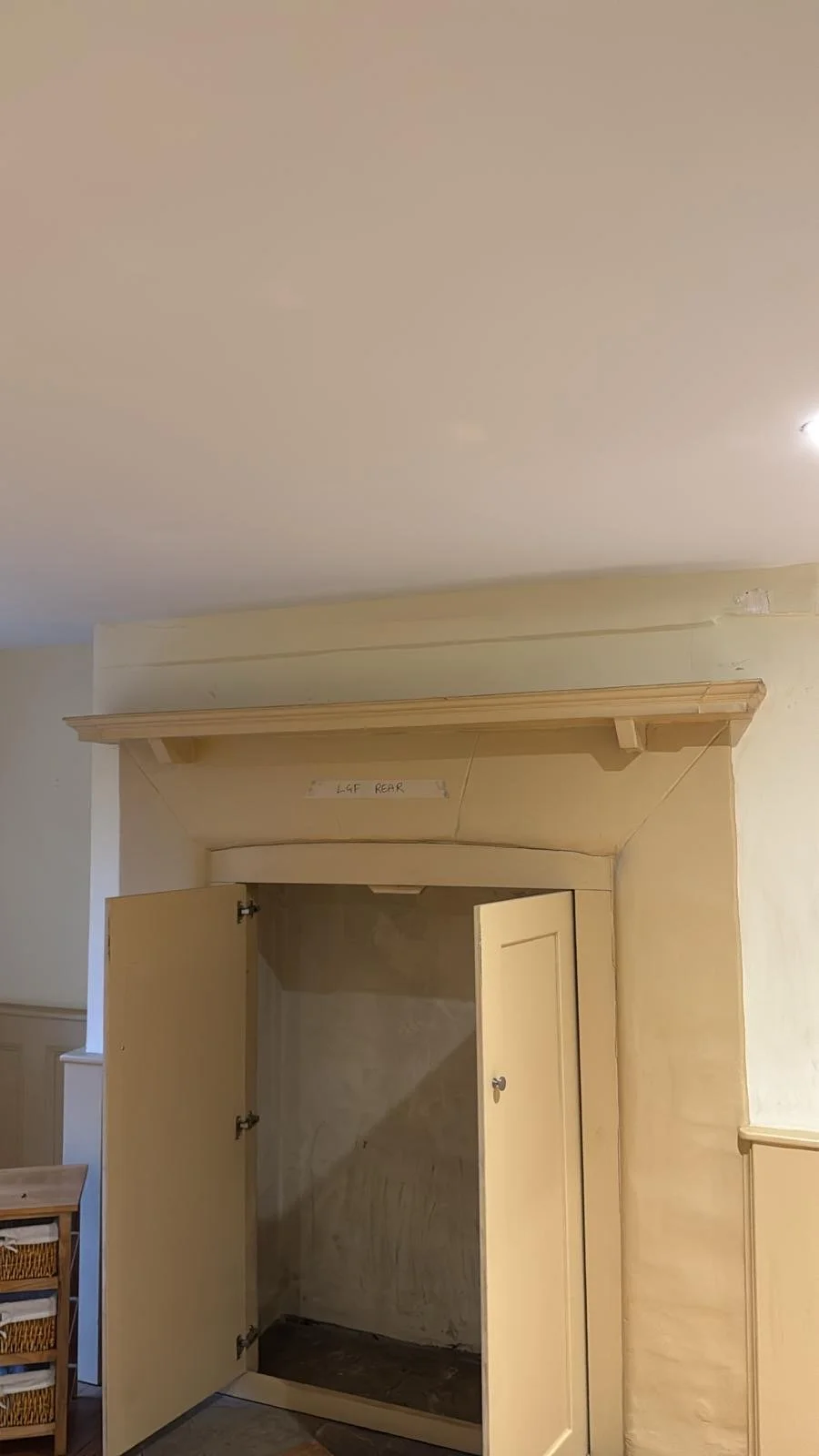
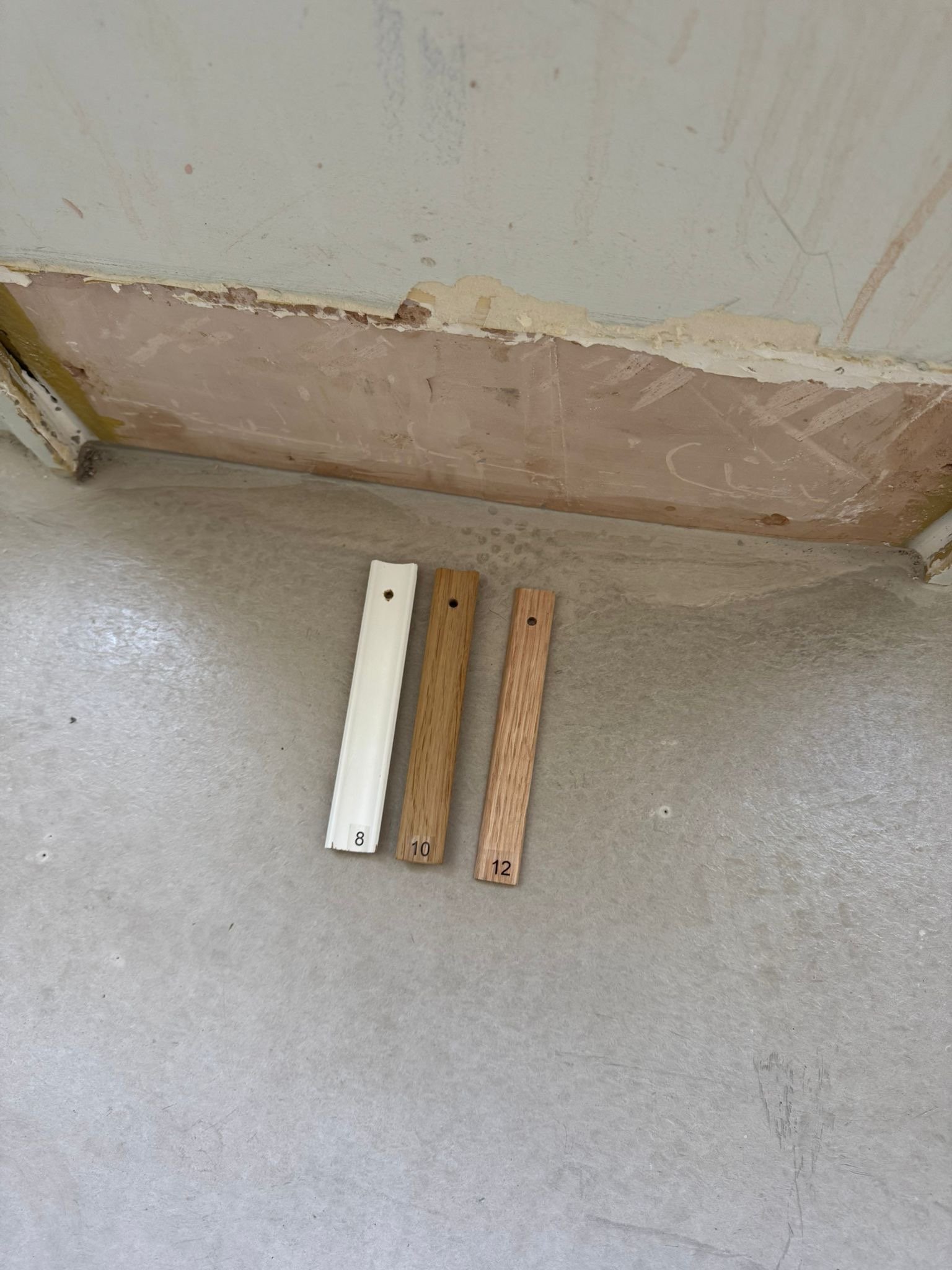
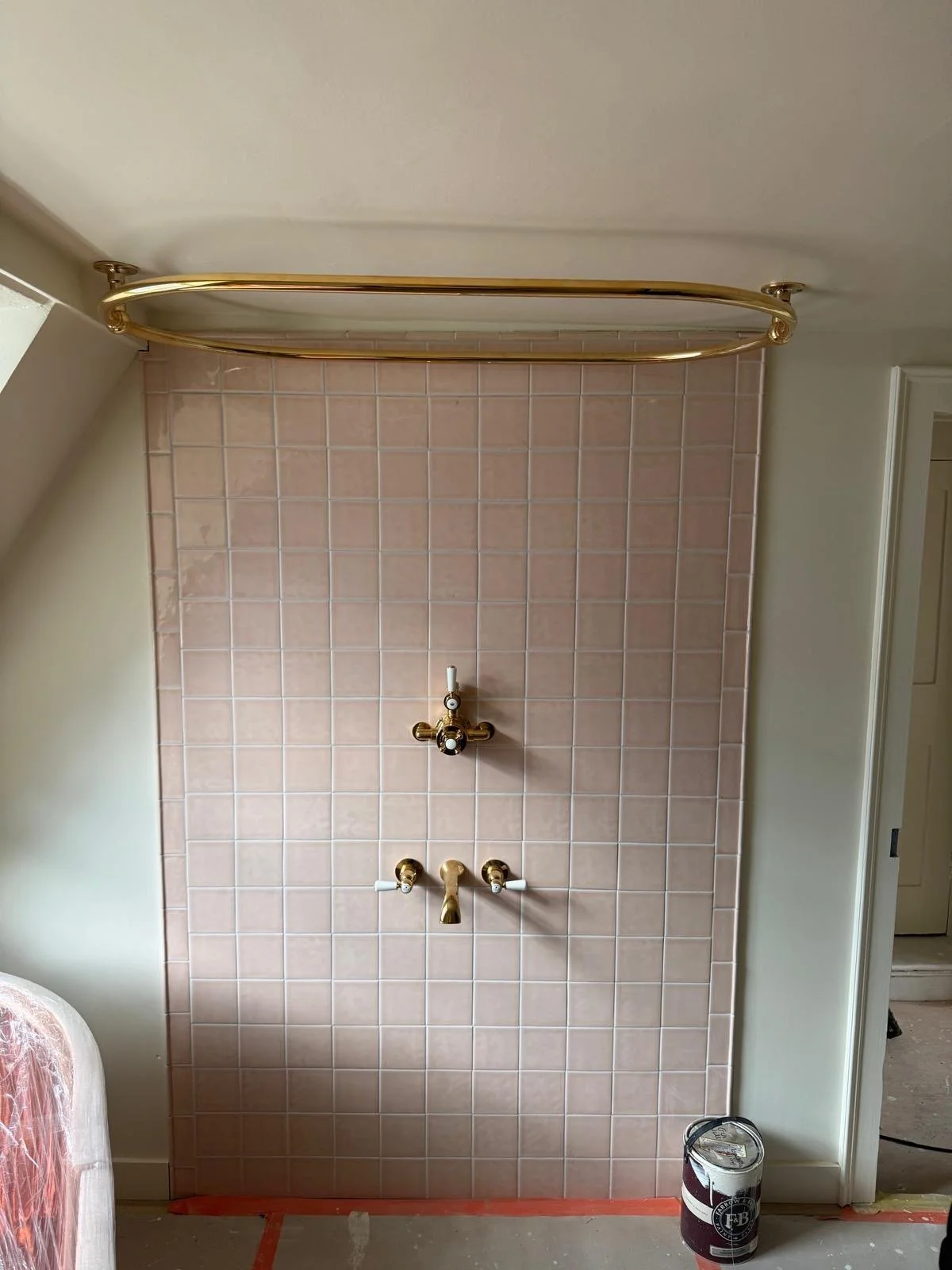
These photographs document the journey from the property's original condition through to construction, offering an insight into the craftsmanship, technical challenges and heritage considerations involved in restoring a Grade II listed home.
The Completed Home
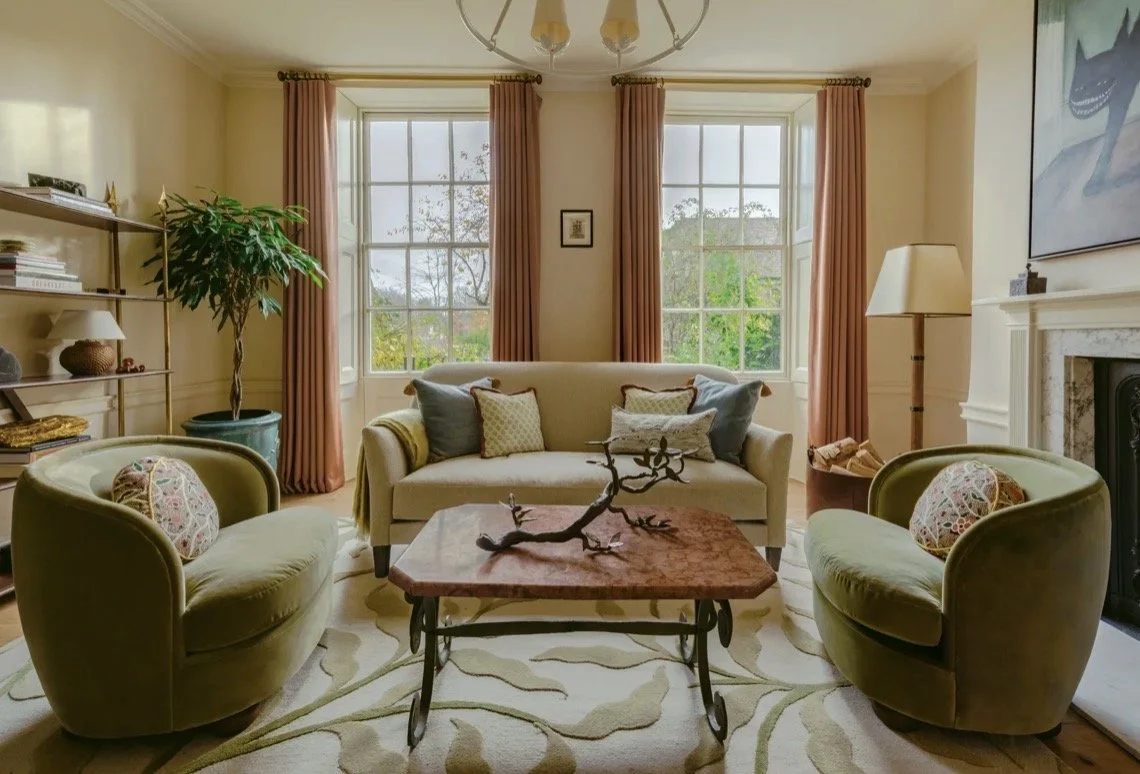
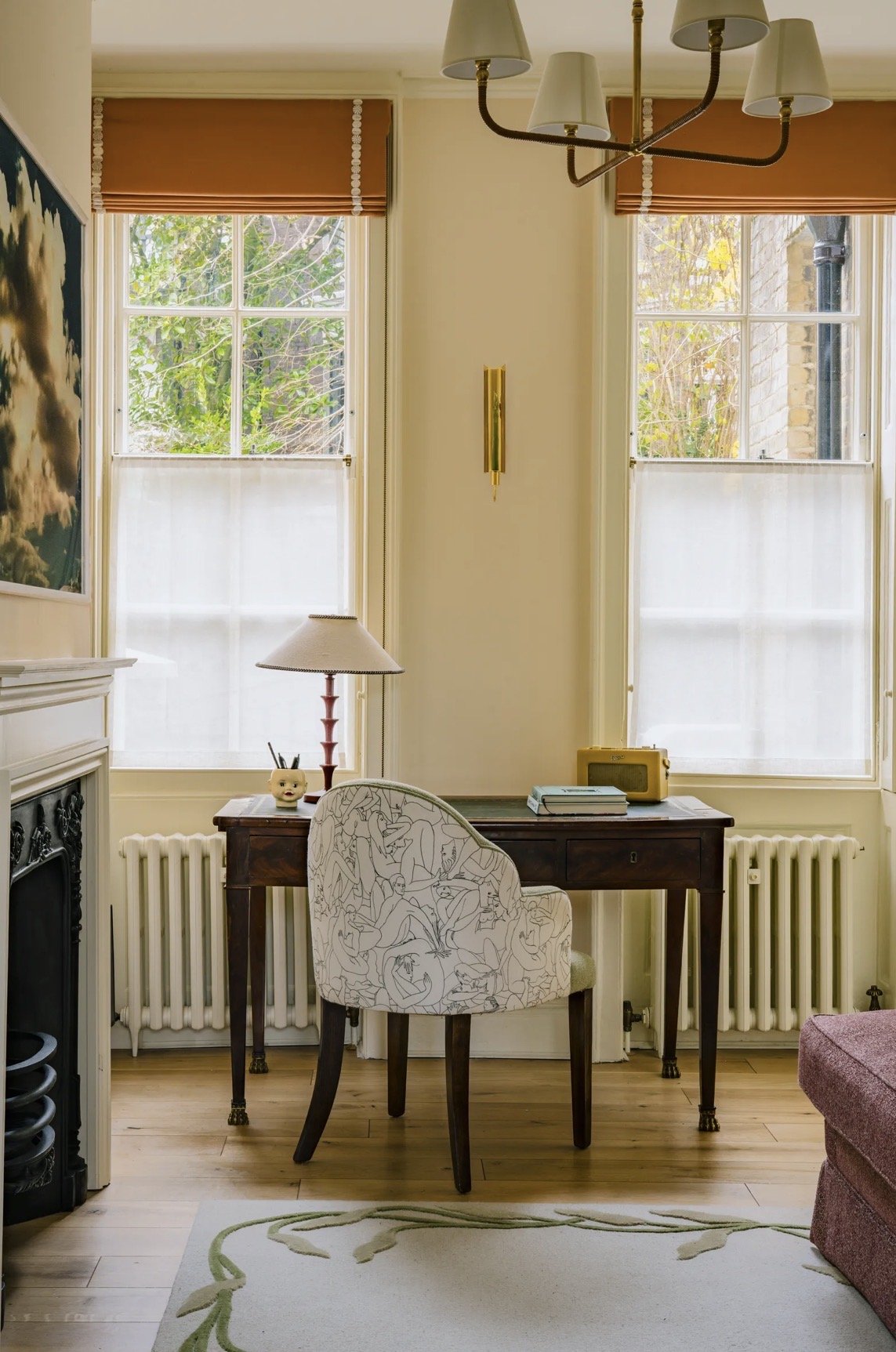
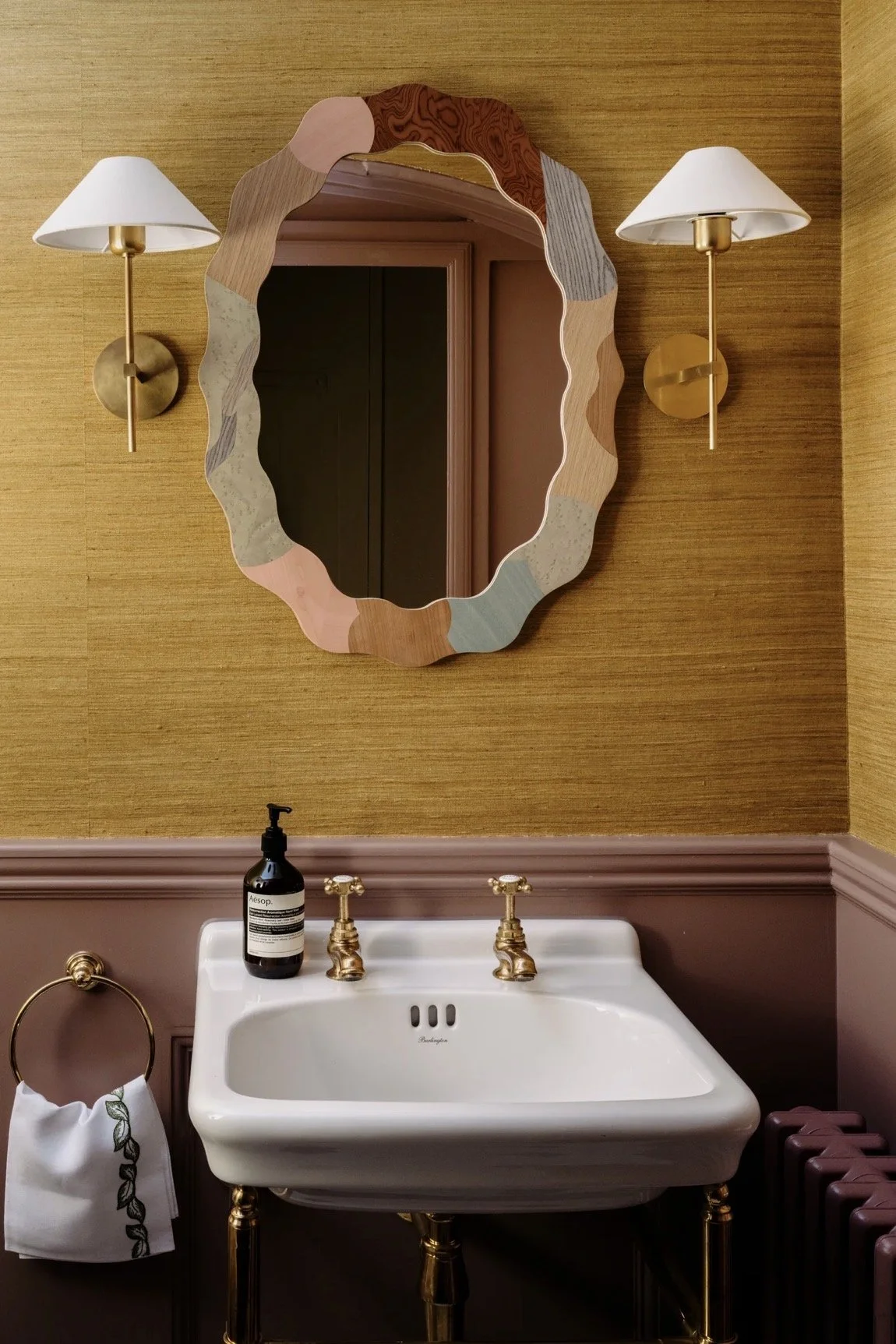
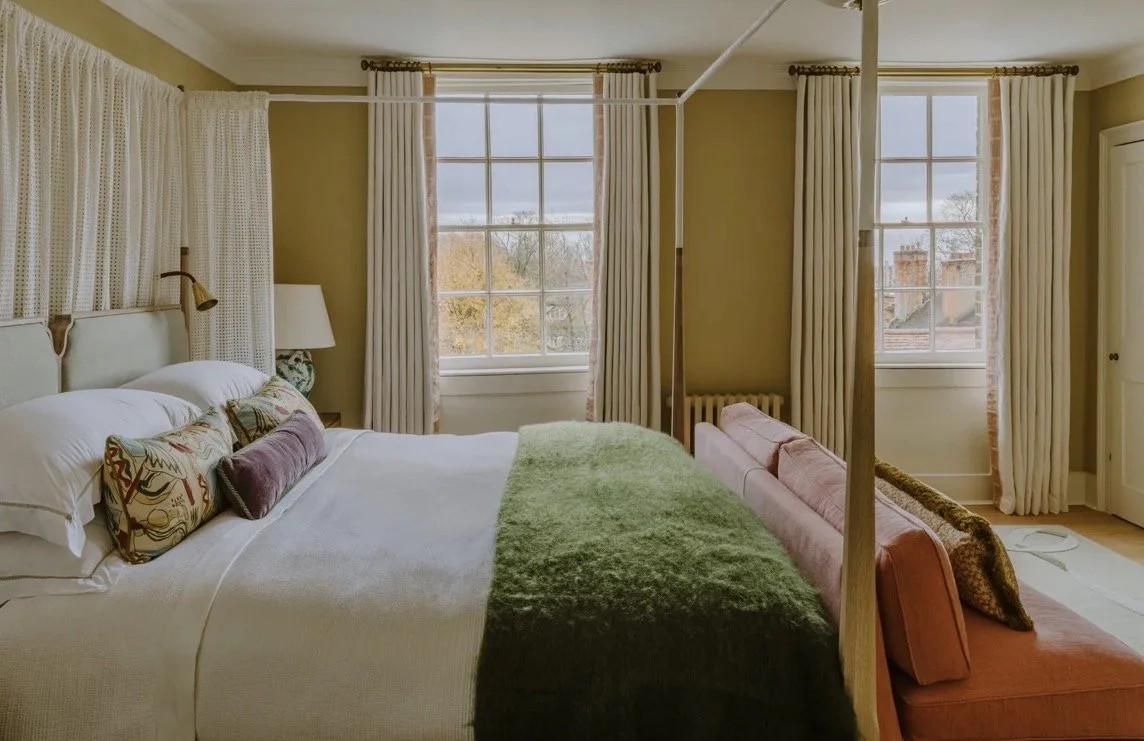
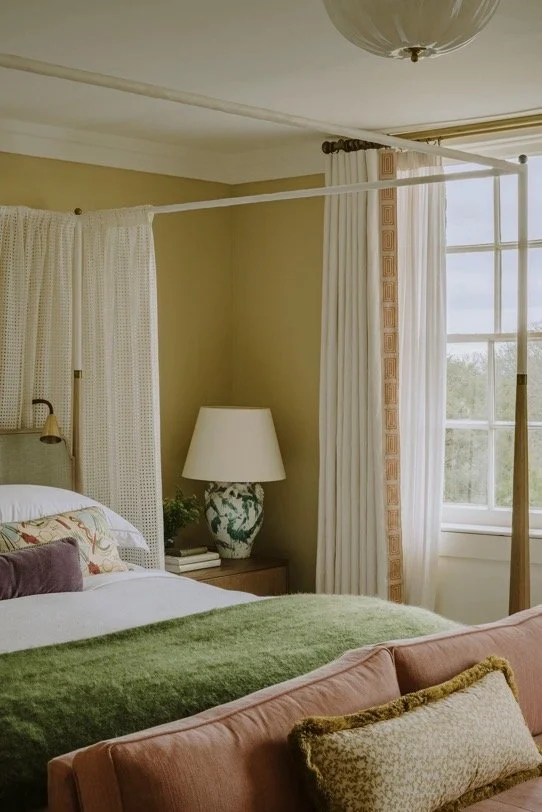
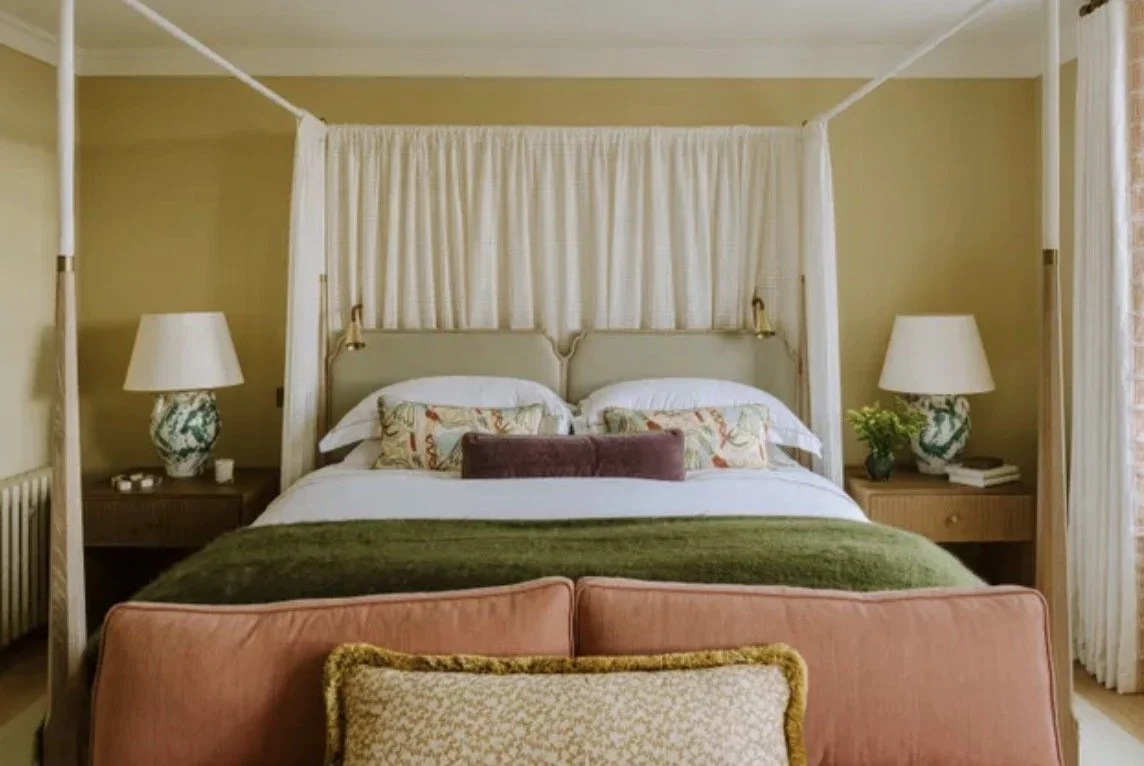
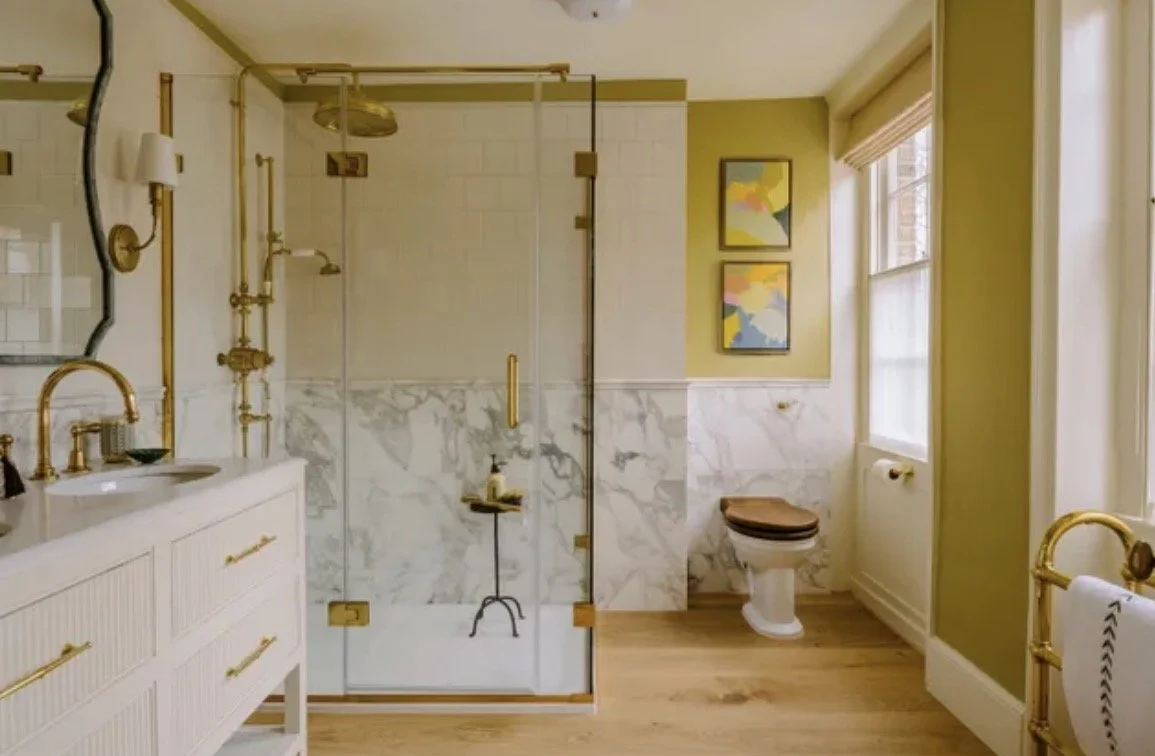
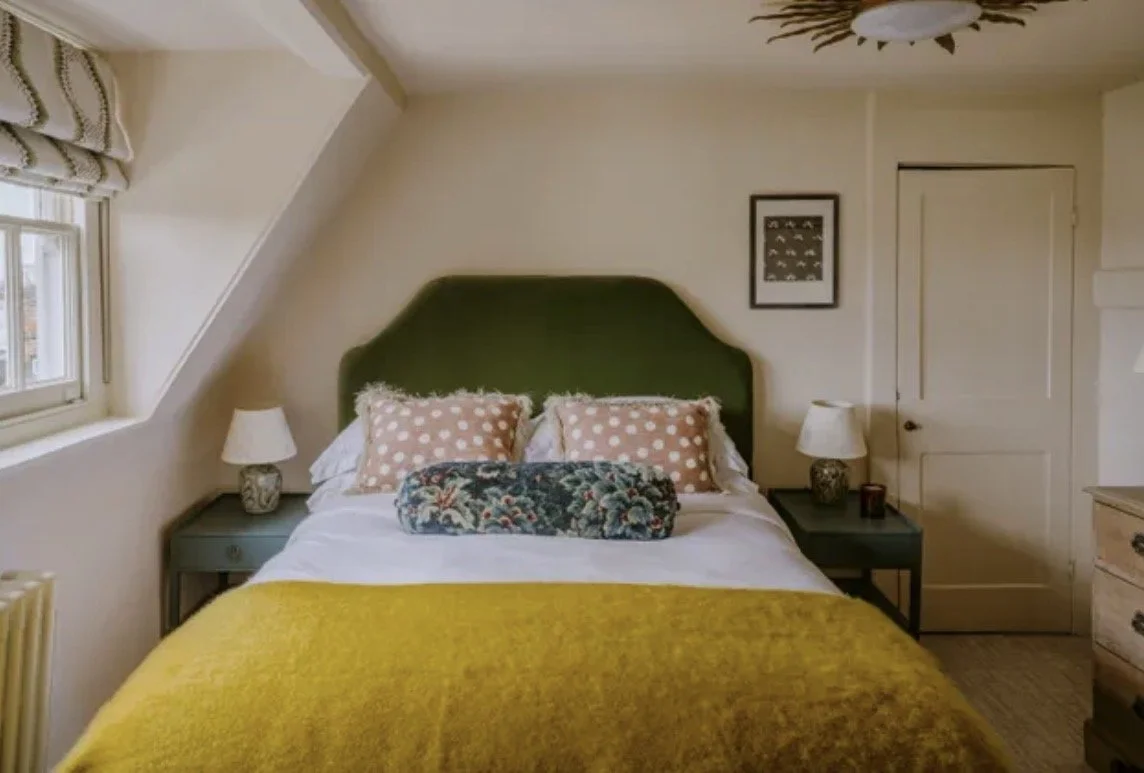
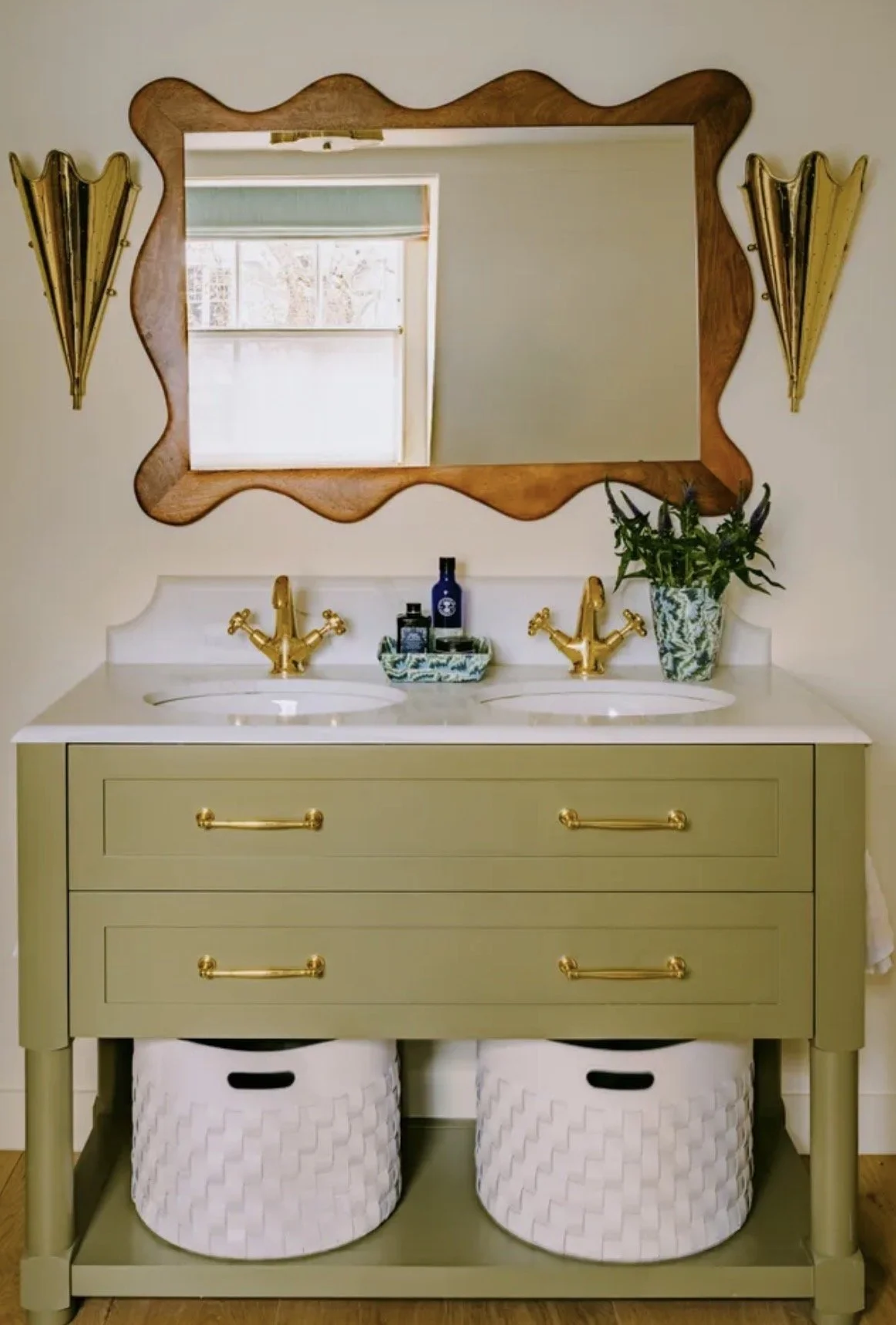
The finished interiors demonstrate what can be achieved when thoughtful design, skilled craftsmanship and careful project management come together. The result is a home that feels both timeless and entirely suited to modern living.